Exploring Cape Town: Where to stay, what to do, and how to plan a memorable visit
Cape Town, set between the Atlantic Ocean and a dramatic coastline, offers a rich mix of cosmopolitan neighbourhoods, world‑class scenery, and a range of accommodation to suit every type of traveller. Whether you prefer a stylish apartment with a sea view, a cosy guesthouse tucked into a quiet hillside, or a larger self‑catering home for a family or friends, planning ahead will help you make the most of your stay in the Western Cape’s iconic city.
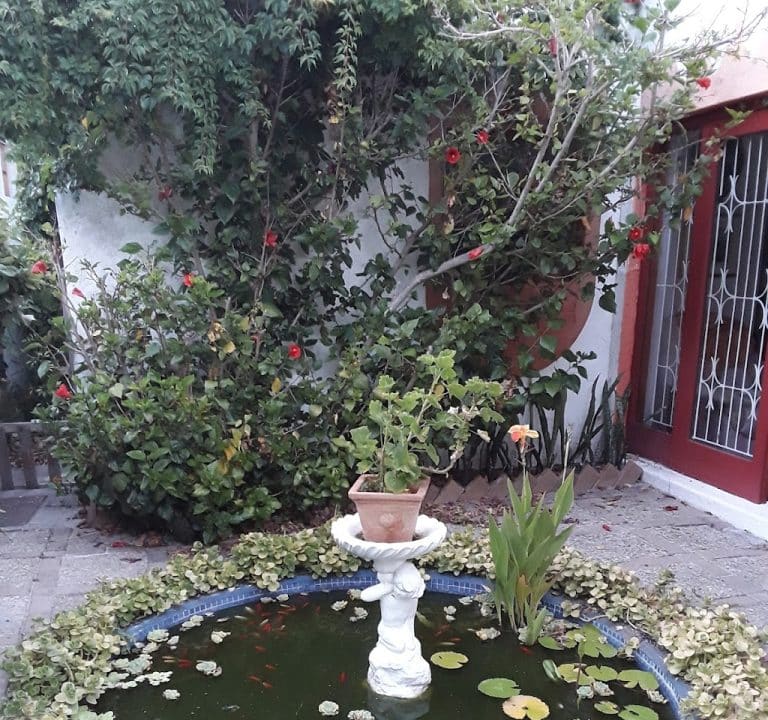
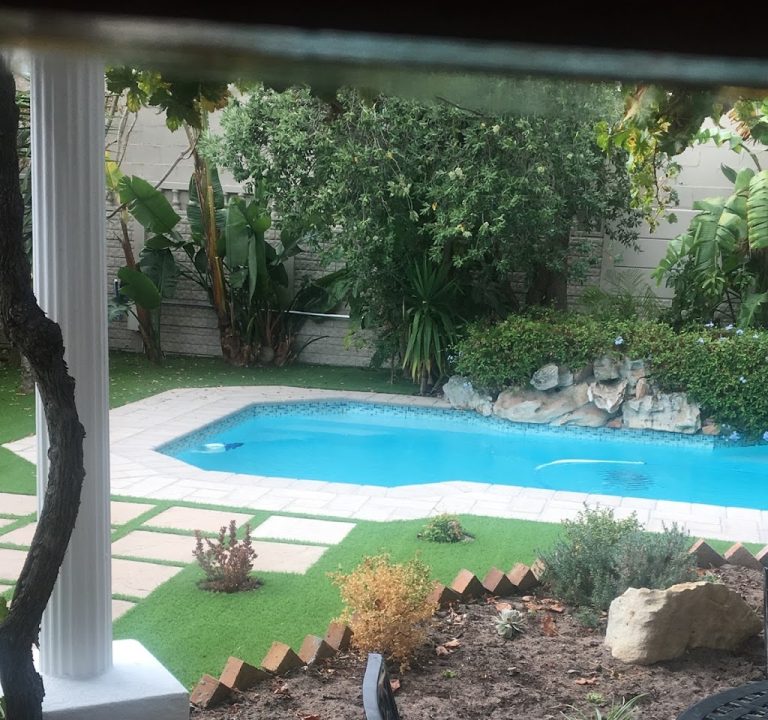
When considering where to stay, think about your priorities: direct access to the harbour and beaches, easy movement around the city, or a peaceful escape within sight of vineyards. The Atlantic Seaboard areas such as Camps Bay and Clifton provide sweeping ocean views and a beach‑connected vibe, while the City Bowl and Bo-Kaap deliver central convenience and culture. Constantia and the Cape Winelands on the eastern flank offer green spaces and easy day trips to wineries, while Green Point and the V&A Waterfront provide entertainment, dining, and transport links close to the harbour. A self‑catering option, such as Broadacres Self Caring Holiday Home, can be a flexible base for groups, with the convenience of a kitchen and shared living spaces.
Typical accommodation in Cape Town ranges from boutique guesthouses and self‑catering apartments to larger hotels and lodges. Common features include well‑equipped kitchens or kitchenettes, reliable wi‑fi, clean linen and housekeeping schedules, secure parking or easy access to public transport, and often a communal outdoor area or pool. If you are travelling with children or pets, filter options that specify family‑friendly or pet‑friendly policies. Secure access and visible safety features can provide peace of mind in busy neighbourhoods. Check whether the property offers on‑site parking, laundry facilities, and flexible check‑in arrangements, especially if your plans involve early or late arrivals. For self‑catering stays, small extras such as a coffee station, sufficient utensils, and clear local information can make a big difference to comfort and convenience.
Transport in Cape Town is well supported by a mix of affordable public services and ride‑hailing options. The MyCiTi bus network links major hubs, making it feasible to explore the city centre, the Atlantic Seaboard, and the southern suburbs without a car. Taxis and ride‑hailing apps are widely used for shorter trips, evenings out, and access to scenic viewpoints. If your plans include trips to the Cape Peninsula or the Winelands, consider renting a car for the day or joining a guided tour that includes punctual pick‑ups and local insight. When booking accommodation, think about proximity to a safe, well‑lit transport hub or to a reliable taxi/rideshare point for late evenings after dining out.
Best time to visit Cape Town depends on what you want from the trip. The summer months (roughly December to February) bring long days, beach weather, and lively outdoor events, but they are also peak season, so prices and crowds can rise. Spring and autumn offer milder temperatures and fewer crowds, ideal for hiking and sightseeing at a relaxed pace. Winter (June to August) brings cooler, wetter weather but can still be pleasant for city exploration and indoor activities such as museum visits or dining at a cosmopolitan restaurant scene. Regardless of season, it pays to book well in advance for popular areas and to have a flexible plan that accommodates weather shifts, especially for outdoor activities like taking a cable car up Table Mountain or visiting Robben Island.
Planning a stay in Cape Town often includes a blend of city exploration, natural scenery, and culinary experiences. In the central area, you can wander historic streets, discover markets, and enjoy coffee culture, while the waterfront offers promenades, museums, and family‑friendly activities. For nature lovers, guided hikes up Table Mountain, sunset viewpoints along the Atlantic coast, and visits to Kirstenbosch National Botanical Garden provide spectacular landscapes and fresh air. A day trip to the Cape Peninsula reveals dramatic coastal scenery, penguin habitats, and scenic drives along cliffs and bays. The Cape Winelands, just an hour or so away by road, invite you to sample South Africa’s renowned wines and enjoy rustic farmhouse dining in tranquil settings.
When choosing restaurants and dining options, consider a mix of experiences to suit different moods. From casual seafood shacks with ocean views to elegant fine‑dining rooms and bustling market stalls, Cape Town’s food scene emphasises fresh local ingredients, seafood, and multicultural flavours. Many guesthouses and self‑catering properties provide recommendations and sometimes even private chef or catering services, which can enhance a stay without the need to travel far after a day of sightseeing. Booking ahead for peak dining times is wise, particularly in popular neighbourhoods or near major attractions.
- Location relative to your planned activities and desired pace (beach, city, or countryside)
- Access to transport options and parking security
- Clear kitchen facilities and self‑catering equipment for a home‑from‑home stay
- Safety features, neighbourhood appeal, and ease of access to shops and eateries
- House rules, check‑in/out times, and flexibility if travel plans change
Practical tips to help you plan smoothly include assembling a simple itinerary with a couple of non‑negotiable experiences (such as a coastal drive or a Table Mountain visit) and leaving space for spontaneous discoveries. Pack layers, as Cape Town weather can change quickly, especially near the coast. Bring a reusable water bottle and a small daypack for hikes and harbour walks. If you are staying in a self‑catering property, stock a few essential groceries and know the local opening hours of nearby shops, which can save time after a long day of sightseeing. Finally, ensure you have access to a reliable map or offline navigation, as signal can be variable in some scenic or rural routes surrounding the city.
Cape Town offers a balanced blend of accommodation styles, captivating landscapes, and a vibrant culinary scene, making it a destination that rewards thoughtful planning. With the right base, you can wake up to ocean breezes, set out to iconic viewpoints, and return each evening to comfort, convenience, and the warmth of South African hospitality.