Cape Town accommodation and planning your stay: where to stay, what to expect, and how to make the most of your visit
Cape Town in the Western Cape offers a rich mix of guest houses, boutique hotels, lodges and self-catering options, all set against a dramatic coastline and iconic mountains. When planning a stay, it helps to think about what part of the city you want to wake up to each morning, how you’ll get around, and which experiences you most want to savour. You’ll find options for every budget and preference, from cosy harbour-side guest houses to modern city-centre boutiques, with many properties offering personalised tips to help you get the most out of your visit.
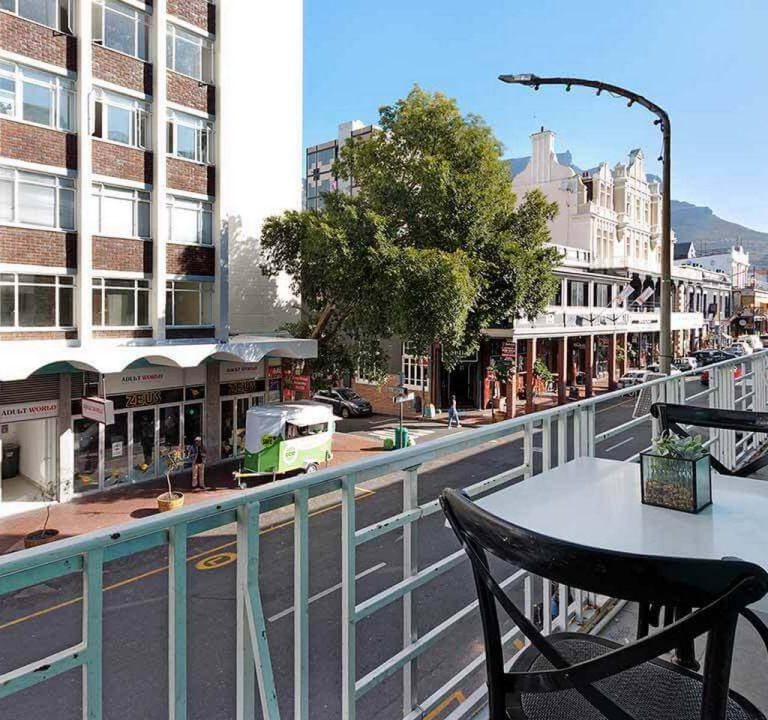
Areas to consider include the waterfront precinct for easy access to harbour walks, museums, and excursion departures; the buzzing central city (the famous “Mother City” core) for nightlife, eateries and heritage; and the leafy southern suburbs such as Camps Bay, Clifton or Constantia for sea views and a slower pace. Constantia and the nearby winelands provide a peaceful counterpoint to the city bustle, with historic estates and hillside lodges. For those seeking a cultural flavour, districts such as Bo-Kaap offer colourful streetscapes and close proximity to urban attractions, while the Atlantic Seaboard delivers long stretches of beach and contemporary dining.
When booking, look for clarity on a few practical points. Check the size and layout of your room or apartment (stairs, lifts, access for luggage, and whether beds are configured to suit your party). Confirm whether breakfast is included, and whether there are flexible dining options for late arrivals or early departures. Inquire about the property’s transport links, especially if you plan to rely on Uber, rideshares, or public transport. Some establishments also offer parking or shuttle services to popular sightseeing spots. A good host or manager will be able to tailor recommendations to your interests, from sunrise hikes to late-night markets.
Typical amenities you might expect include free Wi‑Fi, secure parking, well-equipped kitchens or kitchenettes, air conditioning or ceiling fans, and guest lounges or outdoor terraces. Many guest houses provide additional touches such as locally sourced toiletries, comfortable bedding, and a small library or guide to nearby attractions. If you’re travelling with family or a group, look for properties with flexible room configurations, a private entrance, and indoor or outdoor space where everyone can gather.
Transport is a key part of planning. Cape Town’s geography means some areas are best reached by car, while the city centre and V&A Waterfront are walkable to a degree, with rideshares a convenient option for longer trips. If you’re driving, check whether the property offers off-street parking and whether there is any time-limited access in certain neighbourhoods. For those who rely on public transit, ask about the nearest MyCiTi bus stops or train stations and how easy it is to reach popular viewpoints and beaches. A day trip to sights such as the Cape Point loop or the Cape Winelands can be done via organised tours or by rental car, depending on your preference for flexibility and pace.
The best time to visit Cape Town depends on what you prioritise. The spring months (late August to October) bring wildflowers and pleasant temperatures. Summer (December to February) is warm and lively, ideal for beach days and outdoor dining, though it can be busy. Autumn brings cooler mornings and clear afternoons, with fewer crowds, while winter (June to August) is mild and often drier in the interior, though the coast can be chilly and windy. If you enjoy countryside colours and fewer queues at major sights, shoulder seasons offer good value and a more relaxed pace.
Practical tips to help you plan your stay:
- Book early if you’re aiming for popular areas such as the historic city centre or the scenic seaboard, especially during peak season or around major events.
- Read guest reviews with a critical eye, paying attention to cleanliness, accessibility, and the responsiveness of hosts or management.
- Consider a stay that blends city access with a touch of nature, such as a guest house near Signal Hill or the Table Mountain foothills, to shorten daily travel times to the top sights.
- Prepare for variable weather by packing layers and a light rain jacket, even in warmer months, as coastal weather can change quickly.
- Plan meals by exploring a mix of general eateries, casual bistros and fine dining options in the city centre and along the coast. Most areas offer a range of dining styles to suit different budgets and tastes.
- Take sensible safety precautions as you would in any major city: keep valuables secure, use reputable transport, and stay in well-lit, populated areas after dark.
In addition to Cape Town’s iconic landmarks, visitors often appreciate exploring the wider Western Cape. For those with time to spare, a day trip to nearby towns on the Cape countryside can offer a different pace and scenery. A guest house in a quieter town such as Bredasdorp can provide a useful base for a broader South African itinerary, offering a comfortable retreat after day trips to coastal or rural locations. While the city offers a concentration of activities, diversifying your stay with countryside experiences can enrich your overall visit.
For the practical side of planning, keep a small notebook or digital document with your accommodation confirmations, transfer details, and a day-by-day plan. List your must-see sights and your preferred dining experiences, and build in some flexible time to wander and discover unexpected corners of the city. With thoughtful choice of where to stay and a well-paced itinerary, a visit to Cape Town can be both inspiring and thoroughly enjoyable.