Cape Town accommodation and planning your stay: a practical guide
Cape Town is a city of neighbourhoods, landscapes and flavours, where a good base can make all the difference to your travel experience. From the vibrant streets of the city bowl to the leafy tranquillity of Constantia and the ocean-kissed Atlantic Seaboard, there are lodging options to suit every traveller and every budget. When planning your stay, think about what you want to be close to—whether it’s iconic viewpoints, easy access to beaches, or a lively dining and nightlife scene—and how you prefer to move around the city.
Accommodation in Cape Town ranges from stylish boutique guesthouses and self-catering apartments to larger hotels with spa facilities and conference rooms. Many properties place emphasis on indoor‑outdoor living, with terraces, courtyards and pools that take advantage of the city’s natural light and climate. Typical amenities to look out for include free Wi-Fi, secure parking, daily housekeeping, a helpful front desk, and sensible kitchen facilities or on-site dining. If you are visiting in peak season, you may also value flexible check-in times and late‑night reception support. When booking, read what is included in the price—breakfast options, airport transfers, and city maps can add real value and cut down on extra costs during your stay.
One of the keys to a satisfying stay in Cape Town is choosing the right area. The city’s geography means that where you sleep will largely determine your daily routine. Here are a few areas to consider:
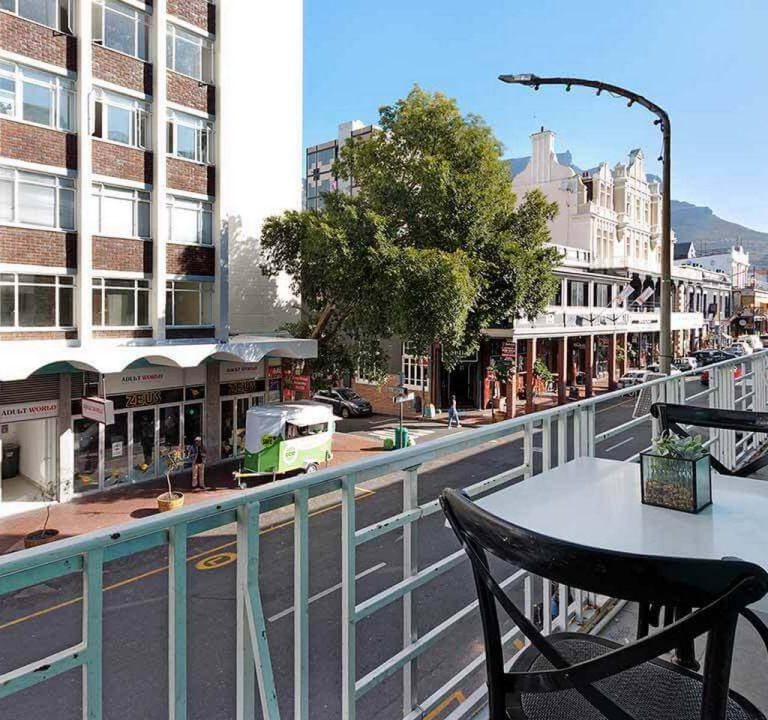
- The City Bowl and central Cape Town – compact, walkable, and close to museums, theatres and a wide range of dining options. Great for first‑timers who want easy access to sights and nightlife.
- V&A Waterfront and the Green Point / De Waterkant neighbourhoods – living near the water provides easy harbour views, coastal walks and a breezy vibe, with abundant dining and coffee spots nearby.
- Atlantic Seaboard (Sea Point,Bantry Bay, Camps Bay) – for beaches, sunsets and a resort-style atmosphere. This area suits guests who prioritise long seafront runs and coastal dining.
- Constantia and the Constantia Winelands – ideal for a quieter, more suburban stay with easy access to wine estates, gardens and family-friendly venues.
- Observatory, Gardens and Bo-Kaap – a mix of historic charm, cultural experiences and excellent eateries, with a generally more authentic, local feel.
Transport accessibility is worth weighing up. Cape Town has a reliable MyCiTi bus network, but services can be less frequent in the suburbs, and traffic along the Atlantic Seaboard and major routes can be heavy at peak times. If you plan to explore beyond the city centre, a rental car offers flexibility, though parking rules can be strict in busy areas. Many guesthouses and boutique hotels provide convenient shuttle services or can arrange reliable airport transfers. For those who prefer not to drive, experienced tour operators offer day trips to iconic spots like the Cape Peninsula and nearby wine routes, with guides who bring context to natural scenery and local culture.
When to visit is also a planning decision. South Africa’s winter (June to August) is cooler and quieter, with clear, crisp days ideal for sightseeing and hiking. Summer (November to March) brings warmer temperatures, longer daylight hours and the possibility of coastal breezes that temper the heat. Shoulder seasons often deliver a balance of pleasant weather, thinner crowds and flexible pricing. Consider your weather tolerance for outdoor activities such as Table Mountain cableway rides, Cape Point explorations, or beach days along the coast.
Typical amenities and experiences to look for when booking include:
- Comfortable rooms with quality bedding, darkening curtains for restful nights, and adequate storage.
- Well-equipped kitchens or proximity to reputable cafés and restaurants for easy dining options.
- Access to outdoor spaces such as balconies, terraces or gardens to enjoy the city’s climate.
- Secure parking or good public transport access, with clear directions from the property to main sights.
- Concierge services or local knowledge—hosts who can suggest a rooftop bar with sunset views, a family-friendly afternoon activity, or a favourite neighbourhood walk.
When exploring attractions and dining, balance your plans with time to absorb Cape Town’s scenery and culture. Iconic viewpoints such as Table Mountain or Lion’s Head offer optional guided hikes or cableway experiences, while the coastline provides spectacular beaches and seaside promenades. Diners will find a spectrum of options from casual cafés to refined eateries celebrating fresh seafood and South African flavours. Rather than focusing on individual venues, know that many areas yield a cluster of appealing options within a short walk or ride, making it easy to mix day activities with relaxed evenings.
Practical tips for a smoother stay:
- Book accommodation with clear cancellation policies and a helpful host or front desk team who can tailor tips for your interests.
- Pack versatile clothing for changing conditions; Cape Town’s climate can be variable, especially near the sea and on Table Mountain.
- Plan separate day trips for the Cape Peninsula, Cape Point, and nearby wine routes to avoid overloading a single day.
- Check access to natural areas and safety recommendations in different neighbourhoods, and follow local guidance on respectful photography and wildlife viewing.
- Use official tourism resources for up-to-date events, seasonal activities and safety advisories to optimise your itinerary.
For planning inspiration and practical information, consider exploring official Cape Town tourism resources and local travel guides. A well-chosen base will enable easy return after long days of discovery, with a neighbourhood feel that can turn a good trip into a memorable one. Whether you prefer a beachside stay, a stylish urban apartment, or a tranquil estate in the winelands vicinity, Cape Town offers accommodation and experiences that can be woven together to create a balanced, enjoyable itinerary.