Cape Town: Accommodation, attractions and planning your stay
Cape Town is a city of diversity, where stunning natural scenery meets a vibrant urban culture. When planning a stay, many visitors look for accommodation that pairs convenience with character—whether you want a stylish apartment, a cosy guesthouse, or a family-friendly villa. From the leafy suburbs to the coastal belt along the Atlantic, there are options to suit different itineraries, budgets, and travel rhythms. A self-catering stay can be particularly appealing for those who enjoy a bit of flexibility and home comforts after a day of sightseeing.
Choosing where to base your visit is part of the experience. The City Centre and Gardens offer easy access to museums, markets, and nightlife, while the Atlantic Seaboard—including areas such as Sea Point, Green Point, and Camps Bay—delivers dramatic sea views, fashionable dining, and shorter hops to beaches. Constantia, with its wine estates and mountain views, suits travellers who prefer a quieter, more spacious setting. For those seeking convenience near the airport or common transit routes, the northern and southern suburbs provide practical bases with a wider range of mid-market options. When evaluating a property, consider proximity to the MyCiTi bus routes or planned taxi/ride-hailing access, as well as parking if you’re renting a car.
Typical self-catering and guesthouse amenities in Cape Town span comfortable living spaces, well-equipped kitchens or kitchen corners, free Wi-Fi, and options for daily housekeeping or laundry facilities. Look for properties that clearly state their washroom arrangements, heating or cooling, and secure entry. Where possible, reading guest reviews can reveal practical details such as quiet hours, street noise, proximity to steps or steep hills, and responsiveness of hosts. For families or groups, note whether there are multiple bedrooms, communal living spaces, and outdoor areas that are safe for children or pets, if relevant.
When planning a stay, it’s helpful to map out a rough itinerary that pairs must-see views with restorative downtime. A short list of broad activities includes:
- Table Mountain and hiking routes, with cable car options and viewpoints for photography
- Harbour and waterfront strolls, with markets and casual dining along the shore
- Kirstenbosch National Botanical Garden and other green spaces for relaxed day trips
- Cardinal coastal drives or hikes along the peninsula, including viewpoints and seals at coastal reserves
- Informal neighbourhood strolls to discover cafés, bakeries, and local eateries
When it comes to dining, Cape Town offers a spectrum from casual bistros to refined restaurants focusing on seafood, braai (barbecue), and modern South African cuisine. Many areas feature lively markets or food stalls where you can sample regional flavours and ingredients. Rather than focusing on individual names or prices, plan to reserve ahead for popular times, especially during peak seasons, and keep an eye out for seasonal specials and local wine pairings that complement coastal flavours.
Transport in Cape Town is straightforward but requires a little planning. Renting a car offers maximum flexibility to explore coastal drives, winelands, or nature reserves at your own pace. If you prefer not to drive, reliable taxi or ride-hailing services and convenient public transport links can connect you to major sights and beaches. If you’re staying in a self-catering property, you may also appreciate having a well-equipped kitchen nearby to prepare light meals after a day out. For longer day trips, consider booking guided experiences that provide transportation and knowledgeable local insights—these can add depth to a visit without sacrificing flexibility.
Best time to visit Cape Town is influenced by climate and crowds. The dry summer months (roughly October to March) are popular for beach days and outdoor activities, with longer daylight hours. Spring (September to November) and autumn (March to May) bring milder temperatures and quieter streets, which can be ideal for exploring coastal paths and mountain trails. Winter (June to August) remains mild by many standards, though it can be cooler and windier, with occasional rain—still suitable for museum-rich days and garden visits.
Practical tips to help you plan a smooth stay:
- Book accommodation with clear information about access, security, and parking; verify check-in times in advance to avoid delays.
- Estimate travel times between your base and major sights to avoid backtracking during peak traffic hours.
- Pack layers to adapt to changing coastal breezes and cooler evenings, especially near the Table Mountain edge.
- If you’re staying in a self-catering property, check what supplies are provided (coffee, basics, towels) and plan a small grocery stop for the first day.
- Respect local safety guidelines and stay aware of your surroundings, particularly when exploring nightlife districts or busy markets late in the day.
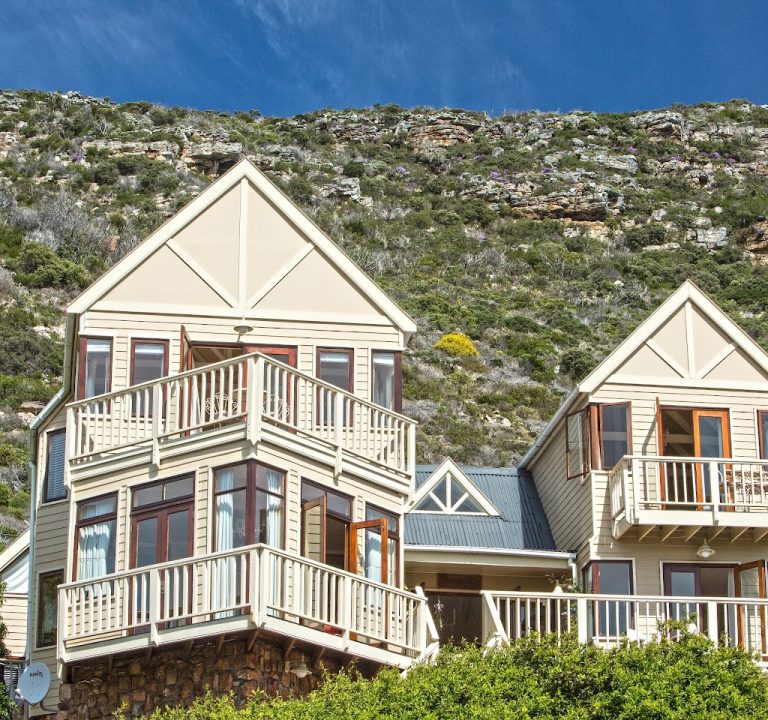
As an example of accommodation options, a self-catering option such as Blue Roof Bungalow may offer a private space with essential comforts, convenient access to nearby eateries and markets, and the flexibility that many travellers value when staying longer in a city with so many contrasts. The right base in Cape Town can amplify your experiences—from tranquil terraces overlooking the sea to vibrant street life, all while providing a comfortable home away from home after your adventures.