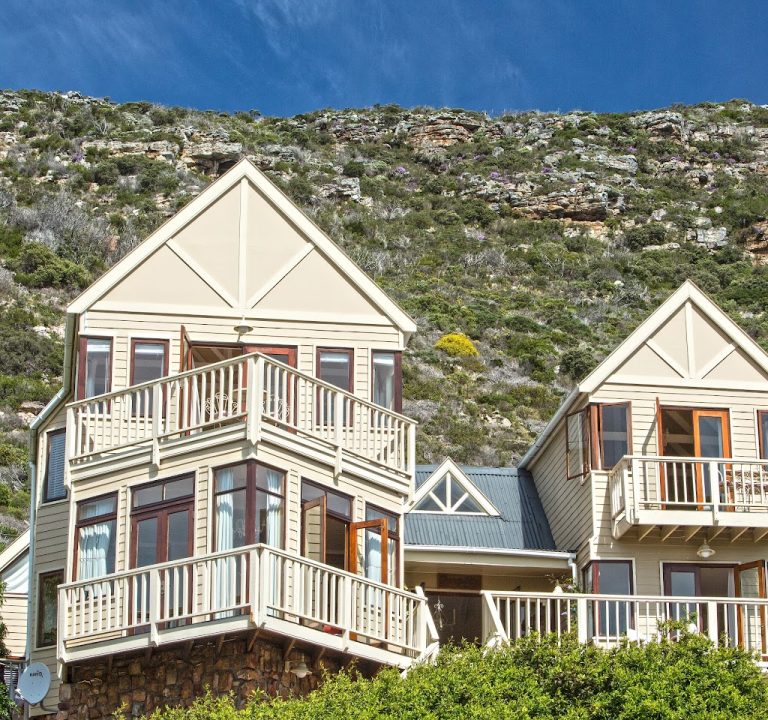
A Place in Thyme is a Hotels establishment in Cape Town, Western Cape, South Africa
About A Place in Thyme, Fish Hoek, Cape Town
Perched on the mountainside in a quiet coastal neighbourhood, A Place in Thyme offers self-catering accommodation with sweeping views across the valley, the surrounding hills, and False Bay. The property is comprised of three distinct units, each designed to provide a relaxed retreat after days spent exploring the Southern Peninsula. Access to the units is via a combination of a funicular and steps, lending a sense of privacy and a touch of adventure to the stay.
As a base for discovering the Cape’s dramatic southern coastline, A Place in Thyme is ideally situated for easy visits to an array of local highlights. Guests can venture to the picturesque seaside villages of Kalk Bay and Simon’s Town, where harbour-front eateries, marine views, and a relaxed pace characterise the area. Wildlife enthusiasts may wish to visit the renowned Boulders Penguin Colony, while the magical landscapes of Cape Point offer rugged scenery and coastal walks. Wine lovers, ostrich farm visitors, and those seeking scenic drives will find themselves well positioned to enjoy the region’s diverse attractions with minimal travel time.
Each unit at A Place in Thyme is designed for comfort and convenience in a self-catering format. The two-bedroom Cottage presents a flexible option for couples, families, or small groups seeking a homely base from which to explore the peninsula. The Big Thyme Studio and Small Thyme Studio provide more compact stays, suitable for solo travellers, couples, or small groups who appreciate independent spaces with practical kitchen facilities. Testimonials within the property’s guest notes describe the spaces as neat, well equipped, and ideal for unwinding while enjoying views of False Bay.
For guests preferring a self-contained holiday experience, the property emphasises privacy, a peaceful atmosphere, and a sense of home away from home. The ability to prepare meals on-site, alongside barbecue provisions noted in guest feedback, enhances the flexibility of days spent sightseeing or simply relaxing on the lawn with views across the valley. The overall experience aims to balance convenient access to Cape Town’s southern attractions with a tranquil retreat at the end of each day.
Nearby, the region offers a range of outdoor activities suitable for active travellers. Golf courses are within reach for those who enjoy a round or two against scenic backdrops, while water sports such as surfing and boogie boarding are popular along the coastline. Hiking and walking trails provide opportunities to explore the dramatic scenery at a comfortable pace, complemented by the option to savour local dining in nearby towns. The short drive to Fish Hoek Beach makes for easy mornings by the sea, whether for a swim, a stroll, or a spot of whale watching during the season.
From a travel planning perspective, A Place in Thyme positions guests roughly forty minutes from Cape Town city centre and about forty-five minutes from Cape Town International Airport, depending on traffic and route chosen. This makes it a practical option for travellers who wish to experience both the city’s cultural offerings and the peninsula’s natural splendour without long daily commutes. The surrounding area is well connected to a variety of day-trip opportunities, enabling visitors to tailor an itinerary that blends coastal scenery with wildlife, history, and wine experiences.
Accommodation at A Place in Thyme is described as self-catering, with three units catering to different group sizes and preferences. While detailed in-room features are not exhaustively itemised, the property’s emphasis on comfort and practical kitchen facilities is clear from guest feedback. For those considering a stay, the Rates & Availability page provides the current pricing and booking options, guiding travellers to choose a unit that best fits the required level of space and independence.
The setting itself—quiet, hillside living with expansive views—appeals to travellers seeking a restful retreat that still serves as a convenient launchpad for Peninsula sightseeing. The surrounding towns offer a gentle balance of laid-back coastal charm and convenient amenities, while the on-site self-catering approach enables flexible meal plans aligned with personal schedules and pace.
Booking tips for prospective guests include considering the preferred unit based on group size and the level of independence desired. Given the proximity to Fish Hoek Beach and to key southern peninsula destinations, afternoon and sunset drives along the coast can be particularly rewarding. For those planning broader exploration of Cape Town’s Western Cape splendour, the property’s central yet tranquil location can help to balance busy sightseeing days with restful evenings on site or in the immediate neighbourhood.
- Stay on a quiet hillside with sea and valley views.
- Choose from three self-catering units to fit different group sizes.
- Use the on-site kitchenette options and accessible barbecue facilities.
- Explore Kalk Bay, Simon’s Town, Boulders Penguin Colony, and Cape Point with convenient day-trips.
- Enjoy easy access to Fish Hoek Beach for swimming, coastal walks, and seasonal whale watching.
For further information and current rates, prospective guests can visit the official site at A Place in Thyme.
Cape Town
Western Cape
7975
South Africa


Cape Town: Accommodation, Attractions and Local Tips for a Memorable Stay
Cape Town and the Western Cape offer a rich mix of scenery, culture and cuisine, with stylish accommodations to suit every traveller personality. From hillside retreats withviews over False Bay to cosy self-catering units tucked into quiet coastal neighbourhoods, visitors can base themselves near dramatic coastlines, wine routes and historic towns. When planning a stay, consider what you want most from your trip—is it easy access to beaches, proximity to vibrant neighbourhoods, or a tranquil base for day trips along the Southern Peninsula?
Areas to consider when choosing a base include seaside towns such as Fish Hoek and Kalk Bay, which combine coastal charm with convenient access to Cape Town’s main sights. Fish Hoek, in particular, offers relaxedSUN settings, long beach walks and proximity to penguin viewpoints and the rail-friendly Kalk Bay, while still being a short drive from central Cape Town. For a more rugged landscape and a climate-hop approach to nature, the Atlantic Seaboard and the Constantia Valley provide hillside estates and guesthouses close to gourmet dining and scenic routes. Suburban neighbourhoods on the slopes of the Table Mountain range can offer peaceful retreats with easy access to Cape Town’s city centre and its modern conveniences.
Booking considerations are important to a smooth stay. Look for properties that clearly describe your unit type, whether a self-catering cottage, a studio apartment or a larger suite. Check for dependable wifi if you need to work remotely, adequate cooking facilities if you prefer to self-cater, secure parking, and accessibility features if required. The best options balance comfort with character: views from a hillside deck, well-equipped kitchens, attentive housekeeping or on-site hosts who can share local tips. If you’re comparing stays, read guest feedback about comfort, cleanliness, and responsiveness from hosts, which often tells you more than a listing alone.
Typical amenities you might encounter include self-catering facilities, private entrances or dedicated outdoor spaces, and proximity to beaches or walking trails. Some properties offer scenic verandahs, barbecue areas, or access to a garden or mountain path. Transport within Cape Town can be straightforward but varies by location. If you’re staying near the coast or in quieter neighbourhoods, a car offers the greatest flexibility for day trips along the Peninsula to places such as Boulders Penguin Colony, Cape Point and the mountain routes that thread through the region. For city-centric stays, consider proximity to MyCiTi bus routes or train links to reach the V&A Waterfront, Table Mountain, Kirstenbosch and other attractions without relying solely on hire cars.
Best time to visit Cape Town depends on preferences. Spring (September to November) brings budding gardens and mild weather ideal for hiking and outdoor dining. Summer (December to February) is peak beach season, with long days and a lively atmosphere, though it can be busy. Autumn (March to May) offers cooler evenings and great light for photography, while winter (June to August) is quieter and typically milder than northern destinations, with opportunities to sample wine regions and rugged coastal scenery in less crowded settings. Whichever season you choose, plan some flexibility for sudden changes in weather, especially around the coastline and Table Mountain’s conditions.
When exploring local experiences, consider a mix of natural landscapes, coastal towns and family-friendly or foodie pursuits. A day trip along the Southern Peninsula reveals dramatic coastlines, scenic viewpoints and access to penguin colonies and nature reserves. Inland, the wine routes provide tastings and cellar-door experiences set against mountain backdrops. In urban areas, you’ll find vibrant dining scenes, from casual eateries to more refined venues offering contemporary South African cuisine—great for sampling fresh seafood and local produce after a day of sightseeing. For a relaxed evening, look for spaces with sunset views or cosy lounges that showcase the region’s hospitality.
Practical tips to help you plan:
- Book accommodation with clear access details and self-catering options if you prefer a flexible schedule.
- Factor travel time to major sights into your itinerary, especially if you’re visiting during peak tourist periods.
- Pack layers to cope with Cape Town’s variable coastal climate and breezy evenings on the shore.
- Check safety and transport options for evenings, particularly when staying in quieter neighbourhoods away from the centre.
- Look for hosts or properties that offer local tips, maps, or personalised recommendations for places to eat and things to do.
For travellers seeking a calm base with easy access to exploration, consider a self-catering unit in a pleasant South Peninsula setting. Such options can act as a practical home away from home, letting you return after a day of coastal walks, penguin-spotting and scenic viewpoints. If you’d like a starting point for exploring Cape Town’s surrounding splendour, a boutique hotel or guesthouse perched on a hillside or perched near a coastal village may provide the ideal blend of comfort, convenience and that distinctive Western Cape charm. To learn more about specific stays and availability, you can visit dedicated accommodation pages and local tourism guides that cover the Fish Hoek and wider Cape Town area.
Website reference for further reading and booking ideas: A Place in Thyme.
Sorry, no records were found. Please adjust your search criteria and try again.
Sorry, unable to load the Maps API.
Why Claim Your Listing?
Claiming your listing on the B&B Finder directory website is a valuable opportunity for business owners. Here are five reasons why you should consider claiming your listings:
Control Over Business Information: By claiming their listing, business owners can ensure that all the information presented is accurate and up-to-date. This includes details such as contact information, address, pricing, and available services or amenities. Accurate information helps prevent customer confusion and improves overall satisfaction.
Enhance the Listing: Once a listing is claimed, owners can enhance it by adding more comprehensive information and rich media, like high-quality photos and videos. These additions can make the listing more attractive and engaging to potential customers, thereby increasing the likelihood of bookings.
Marketing Opportunities: Claiming a listing can also open up additional marketing opportunities. Owners may be able to participate in promotional campaigns, special offers, and other marketing activities organized by the directory. This can increase visibility and attract more customers to the business.