Accommodation and Experiences in Cape Town, Western Cape
Capable of suiting every traveller, Cape Town blends dramatic scenery with a hospitality culture that ranges from cosy bed and breakfasts to stylish boutique hotels and family-friendly lodges. When planning a stay in this city, consider the mix of neighbourhoods that best fits your interests, as each area offers a distinct pace and access to attractions, dining and transport. A well-chosen base can save time, cut stress and enhance your overall experience of the Western Cape’s iconic coastline, mountains and winelands.
Where to stay matters as much as what to do. The City Centre and the V&A Waterfront put you within easy reach of museums, galleries and harbour-front eateries, while the Atlantic Seaboard from Granger Bay to Camps Bay rewards visitors with dramatic sea views, sunset drives and beach outings. Constantia inland offers leafy tranquillity and access to some of South Africa’s oldest wine estates, making it ideal for a calmer retreat. For a taste of local life and suburban charm, neighbourhoods such as Observatory or De Waterkant provide characterful stays with convenient public transport links.
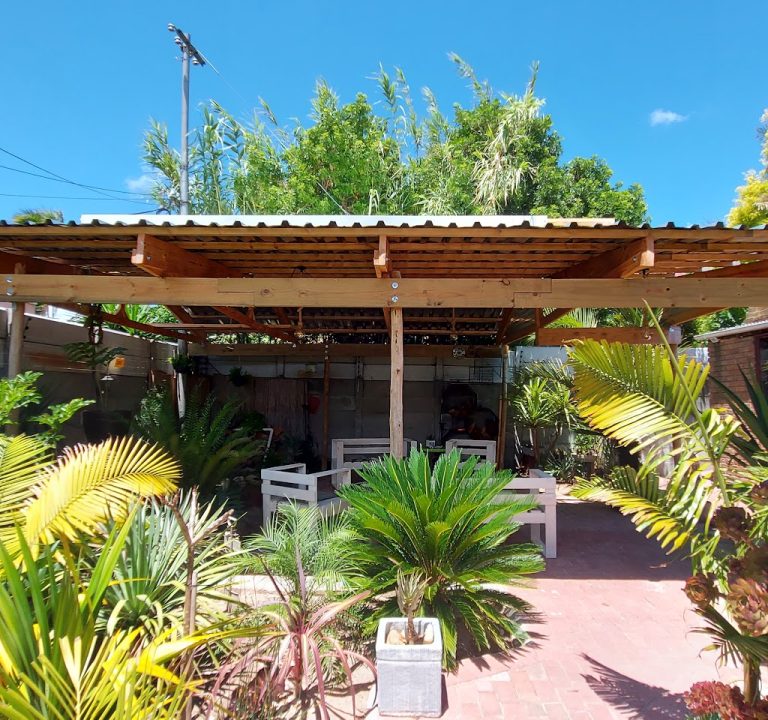
Bed and breakfasts and guesthouses are a popular choice for travellers seeking personable service and a sense of place. Look for hosts who share tips about local markets, short walks to vantage points, and authentic eating spots nearby. Typical amenities often include a hearty breakfast, free Wi‑Fi, on-site parking, and rooms with en-suite bathrooms. Some B&Bs may offer quaint courtyards, views of Table Mountain, and the option to arrange personalised tours or transfers. When booking, verify the breakfast format (continental or cooked), soundproofing, and whether there are family rooms or flexible cancellation policies.
When planning your itinerary, consider the practical realities of your stay. The city’s terrain ranges from flat coastal walks to steep climbs in the surrounding mountains, so select accommodation with easy access to lifts, stairs, or ground-floor rooms if required. Transport modes in Cape Town include metred taxis, ride-hailing apps, rental cars, and the bus network. If you favour independent exploration, a base with convenient parking and nearby promenades or bus stops can simplify daily trips to sights like Table Mountain, the botanical gardens, or coastal viewpoints. In peak seasons, book a little ahead and confirm access to parking or public transport alternatives during busy periods.
Best time to visit Cape Town depends on the kind of experience you seek. Spring (September to November) and autumn (March to May) offer pleasant weather and quieter streets, ideal for sightseeing, harbour strolls, and coastal drives. Summer (December to February) brings longer days and a vibrant outdoor scene, including markets and outdoor dining. Winter (June to August) is cooler and can bring misty mornings near the mountains, but it’s still a good time to visit the winelands and enjoy fewer crowds in museums and galleries. Pack layers to adapt to changing conditions near the coast, and plan outdoor activities for clear mornings when visibility and conditions are best for hiking or panoramic viewpoints.
Key attractions span natural wonders, historic sites and cultural experiences. A trip to the iconic Table Mountain is usually high on travellers’ lists, whether you take the cableway or hike one of the surrounding trails. The Cape Peninsula offers dramatic scenery, with headland viewpoints, rugged coastlines and the chance to encounter diverse wildlife. Along the way, visitors can enjoy scenic drives, coastal towns, and viewpoints that reveal the city’s geographic variety. In-town highlights often include museums and art spaces that illuminate South Africa’s history and contemporary life. For a relaxed day, the waterfront precinct blends shopping, casual dining and harbour views, while the southern suburbs provide easy access to wine estates and nature reserves. Look for framed itineraries that balance time for outdoor exploration with opportunities to rest and recharge at your accommodation between outings.
Dining in Cape Town runs from vibrant casual eateries to refined restaurants focusing on seasonal produce and regional flavours. You’ll find dishes and settings that suit every mood, whether you’re looking for a light seafood meal after a harbour walk or a cosy evening in a candlelit room. When planning meals, consider booking ahead for popular dining times, particularly on weekends or during festival periods. Many properties can offer recommendations aligned with your preferences, from casual cafés with excellent coffee and pastries to more formal venues that specialise in fresh, locally sourced ingredients. If you prefer self-guided culinary experiences, explore neighbourhood markets and street food hubs for an informal taste of the city’s diverse communities.
Practical tips to help you make the most of your stay:
- Choose accommodation with flexible cancellation policies and clear housekeeping arrangements, especially if travel plans may change.
- Ask about access to parking, security measures, and the availability of adapters or hairdryers if you rely on specific conveniences.
- Plan daily routes that cluster activities by geography to minimise backtracking and save time on transfers.
- Respect local safety guidelines and keep valuables secure when exploring busy markets and public spaces.
- Verify Wi‑Fi reliability and power outlets in your room, particularly if you’re balancing work with leisure.
- Look for options offering assistance with tours, transfers, or personalised itineraries to maximise your time in this varied region.
Whether you choose a traditional bed and breakfast, a boutique guesthouse, or a well-located hotel, Cape Town’s hospitality scene is geared towards warmth, convenience and a sense of place. With thoughtful planning around where you stay, how you travel, and what you wish to see and taste, you can design a stay that showcases both the natural beauty and cultural richness of the Western Cape.