Durban: accommodation options, areas to consider, and how to plan a stay
Durban, in KwaZulu-Natal, offers a vibrant mix of coastline, flavours, and modern comforts that suit travellers seeking a lodge experience, boutique stays, or spacious family accommodation. When planning a stay, it helps to think about what you want from the city’s different neighbourhoods, transport options, and what amenities will make your visit easiest and most enjoyable. A lodge such as Berea Lodge provides a good example of how a well located base can provide comfort, convenience, and a warm welcome in this coastal city.
Areas to consider
Durban’s coastline is the dominant feature, with several distinct neighbourhoods each offering a different atmosphere:
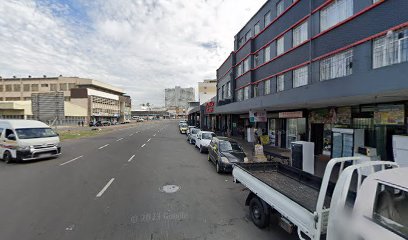
- The Berea and surrounding residential streets are popular with travellers for their leafy settings, close proximity to city amenities, and easy access to the beachfront. Staying in this area is convenient for strolling to cafés, markets, and parks, while still being within reach of central Durban.
- The Golden Mile and the beachfront precinct offer direct access to the promenade, beaches, and a lively pace. It’s ideal for travellers who want to be steps away from sea air, casual dining, and family-friendly activities.
- Durban North and the foreshore provide a more tranquil alternative with panoramic coastal views and easy access to scenic drives and nearby nature reserves.
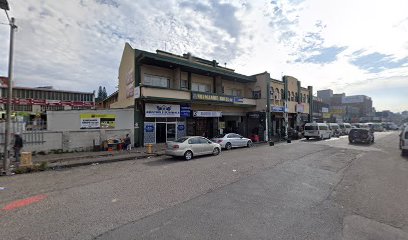
- The central business district and nearby districts provide practical, affordable options for guests who prioritise proximity to business facilities, cultural venues, and nightlife, though some areas may be busier in the evenings.
- Umhlanga and the northern coast are a short drive away and popular with travellers who want a modern hotel or resort feel, along with a wide range of eateries and beaches.
What to look for when booking
When choosing accommodation in Durban, balance location with convenience and value. Look for:
- Proximity to your planned activities, whether you aim to stay on the beachfront, near shops and eateries, or close to transport links.
- A host or property with clear communications about check-in arrangements, parking, and safety features such as secure access and good lighting.
- Clean, comfortable rooms with reliable air conditioning or ceiling fans (Durban can be warm, particularly in summer), and essential amenities like private bathrooms, reliable Wi‑Fi, and a well-equipped kitchen or tea-and-coffee facilities if you prefer self-catering.
- On-site options such as a pool, laundry facilities, or a guest lounge, which can make longer stays more comfortable.
- Guest reviews that address value for money, neighbourhood atmosphere, and the accuracy of listings in relation to what you experience in person.
Typical amenities and what they mean for planning
Durban’s accommodation variety ranges from intimate lodges to self‑catering apartments and boutique guesthouses. Common amenities include:
- Breakfast options, whether continental, hot plated or a grab-and-go setup, which can influence how you pace mornings at the coast.
- Self-catering facilities or kitchen access, useful for families, travellers with dietary preferences, or longer stays.
- Outdoor spaces such as terraces or courtyards to enjoy the subtropical climate, plus outdoor pools or gardens for relaxation after a day of sightseeing.
- Secure parking or accessible public transport links—Durban’s MyCiTi bus network and rideshare options help guests without a car.
- Accessibility features for guests with mobility needs, and clear information on taxi and transfer options.
Transport and getting around
Durban is relatively easy to navigate with a combination of self-drive, taxis or rideshares, and public transport. If you’re staying inland or near the coast, a car can be convenient, but many areas are walkable and well served by affordable taxis and rideshare services. The MyCiTi bus network provides a straightforward way to connect major areas, beaches, and shopping hubs. If you plan day trips to nearby attractions outside the city, consider organised tours or a hire car for range and flexibility.
Best time to visit and practical planning tips
Durban enjoys a warm, subtropical climate. The summer months (roughly November to March) are lively, with long days and beach-friendly weather, but can bring higher humidity and afternoon showers. Winter (May to August) is generally cooler and drier, making it pleasant for city strolls and dining al fresco without the peak heat. Shoulder seasons often offer sweeter hotel rates and smaller crowds.
Practical tips to maximise your stay:
- Book accommodation with easy access to the beach or a pleasant pedestrian route if you plan to spend long days walking along the promenade or visiting markets.
- Check parking arrangements if you are driving; secure off-street parking is often worth prioritising in busy districts.
- Pack light layers for variable coastal weather and a swimsuit for beach days, plus sun protection for outdoor activities.
- Plan a mix of experiences: mornings by the sea, afternoons exploring markets, and evenings sampling diverse dining options from casual cafés to family-friendly restaurants.
- Be mindful of safety; choose well-reviewed accommodation in busy, well-lit areas and follow common-sense precautions, especially after dark.
- Respect local customs and environmental guidelines when visiting coastal areas or nature reserves, and support locally owned eateries and markets when possible.
Besides beaches, Durban offers a broad palette of experiences—from cultural and historical sites to nature and shopping. A well-situated stay, paired with thoughtful planning, lets you enjoy the city’s warm hospitality, green spaces, and the rich range of dining options that make Durban a distinctive KwaZulu-Natal destination.
For more ideas and practical planning, you can explore broader Durban tourism resources and consider options that align with your preferred areas, whether you seek a coastal retreat, a central base, or a family-friendly lodge experience such as Berea Lodge.