Discover Durban: a guide to accommodation and to Lovely Local Experiences
Durban, perched on the eastern coast of KwaZulu-Natal, blends subtropical beaches with a rich cultural mix. When planning a stay, travellers can choose from beachside serviced apartments, boutique guesthouses, modern hotels, and family-friendly lodges that put convenience and comfort within easy reach of the city’s highlights. Whether you’re seeking a quiet base near the Golden Mile or a central pad close to vibrant markets and urban parks, Durban has options to fit most itineraries and budgets.
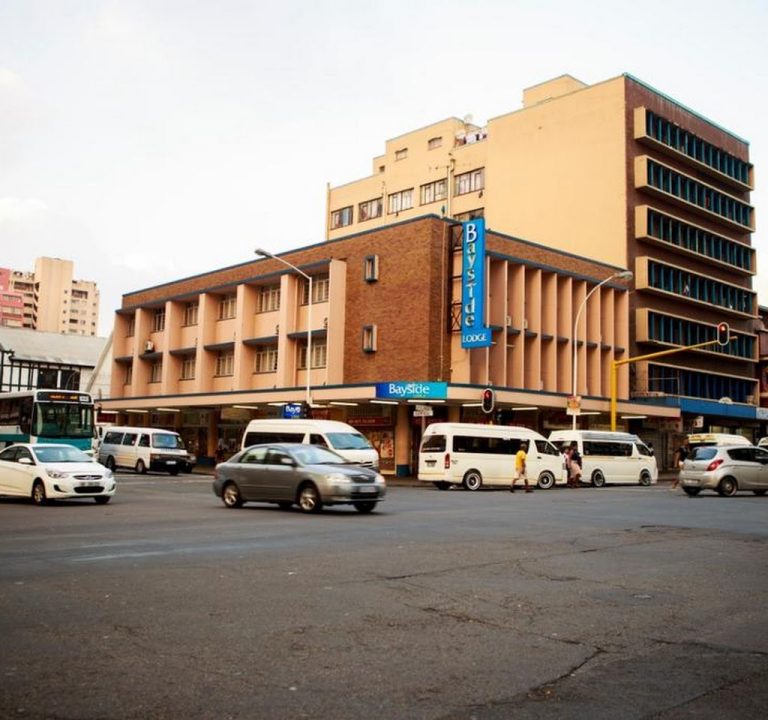
Areas to consider for your stay can shape your experience as much as the accommodation itself. The central belt around the harbour offers easy access to the city’s historic architecture, markets, and a lively dining scene. The Golden Mile and beachfront precincts provide immediate sea views, sea breezes, and a promenade ideal for sunrise walks or evening strolls. Suburban pockets such as Umhlanga and Morningside cater to visitors who want a more relaxed, upscale feel with shopping centres and eateries nearby. For families seeking a quieter rhythm, Durban North and Glenwood provide pleasant residential vibes with parks and convenient transit routes to the city centre.
When booking accommodation, look for a few practical comforts that can make a big difference on a Durban stay. A well-equipped kitchen or kitchenette is handy if you plan an extended visit or prefer self-catering. A reliable and fast wifi connection is essential for work or streaming media after a day on the coast. Consider the availability of laundry facilities, on-site parking, and a 24-hour front desk if you value flexibility on arrival times. If you’re exploring outside the central area, ask about shuttle services or proximity to public transport to minimise time spent in traffic. A decent blackout policy and air conditioning or ceiling fans can be important for comfort during Durban’s warm, humid months.
Durban’s climate is temperate with hot summers and mild winters. The best time to visit tends to be from late spring to early autumn, when days are long and the sea is inviting. If you travel in the cooler, dry season, you can enjoy outdoor activities and wildlife experiences without the heavier rain typical of summer. If you’re visiting during school holidays, it may be wise to book well in advance to secure family-friendly rooms or serviced apartments near beaches and parks.
For accommodation in Durban, you’ll often find a mix of serviced apartments, boutique guesthouses, and larger hotels that cater to varied needs. Serviced accommodation can be particularly convenient for longer stays or families, offering more space and self-catering options while still providing housekeeping and reception services. One example of such a category within Durban is Abyssinia Accommodation, a serviced option that can offer a comfortable base from which to explore the city. When evaluating options, read guest reviews for comments on cleanliness, the responsiveness of the host or staff, and how accurately the listing reflects what’s on offer. Check the photos for notes about space layout, whether there’s a balcony or outdoor area, and the proximity to public transport or main roads.
Transport in Durban is straightforward, with a mix of rental cars, taxi services, and ride-hailing apps widely available. The N3 and N2 highways connect the city to inland KwaZulu-Natal and beyond, while major arterial roads run along the coast. For short hops around town, a beachfront stroll or a hop-on, hop-off approach along the promenade can be pleasant, especially in good weather. Public transport options are expanding, but many visitors still prefer private transport for flexibility, particularly if you want to explore inland attractions or venture to nearby nature reserves and viewpoints.
Must-see experiences in Durban span beaches, nature and culture. On the coast, you’ll find long sandy shores ideal for swimming and surfing, backed by a promenade with cafés and casual eateries. Inland, botanical gardens and hilltop vantage points offer greenery and sweeping views. The city is also known for markets and cultural hubs where you can sample street foods and regional flavours, such as curries and foil-wreshirred dishes that reflect the area’s diverse influences. For families and curious travellers, attractions that showcase marine life, maritime history, or wildlife-friendly activities provide engaging day trips without requiring a long drive.
Dining in Durban is a highlight, with a broad range of options from casual beachfront cafés to more refined dining rooms. You’ll encounter a blend of coastal seafood favourites, South African barbecue grills, and flavourful curries inspired by local communities. Even without listing specific restaurants, you can expect venues with sea views, vibrant open-air spaces, and family-friendly menus. If you’re new to the city, ask hosts or reception staff for recommendations that match your tastes and budget, and consider trying a couple of different neighbourhoods to compare ambience and service style.
Practical planning tips to help you get the most from your trip:
- Book accommodation with good access to public transport or easy parking if you’re renting a car.
- Pack light layers for changing coastal weather and a swimsuit for spontaneous beach days.
- Check for late summer rainfall patterns and plan indoor activities as a backup.
- Look for safe, well-lit neighbourhoods and secure lodgings with reliable reception or on-site staff.
- Reserve popular dining spots or experiences in advance during peak periods.
Durban rewards curious travellers with a warm climate, vibrant culture, and convenient stays that put the region’s coast and hinterland within easy reach. With thoughtful accommodation choices, a little planning for transport, and an open plan to sample both the sea breeze and culinary treats, your Durban visit can be relaxed, immersive, and thoroughly enjoyable.