Cape Town: Accommodation, Attractions, Restaurants and Practical Planning for Visitors
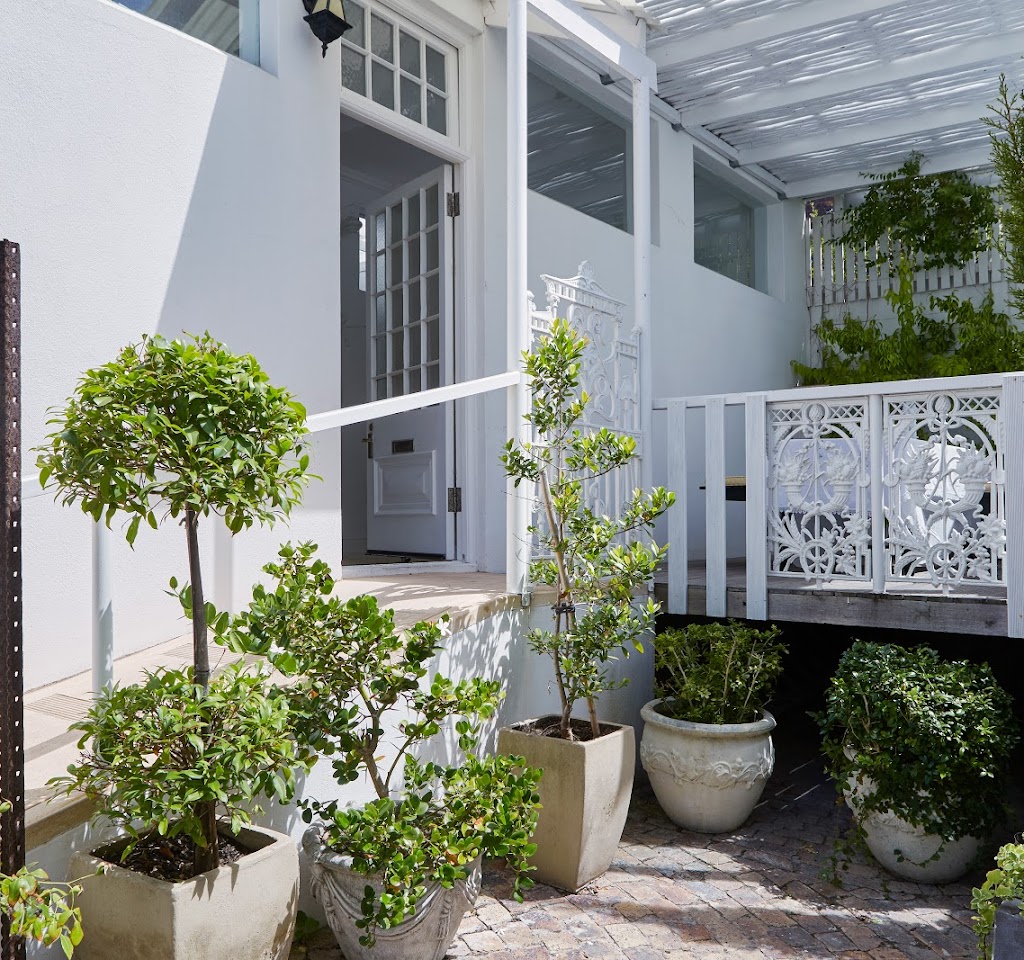
Cape Town combines natural splendour with a cosmopolitan vibe, making it a premier destination for travellers seeking a diverse stay. From historic neighbourhoods to modern boutique guest houses, there are plenty of lodging options to suit different budgets and styles. A well-planned stay can balance restful mornings with energetic afternoons exploring the city’s natural beauty, culture and dining scene. A guest house such as Bella eV, positioned in a convenient neighbourhood, can offer personalised service, easy access to sights and a sense of local character that larger hotels sometimes miss.
When planning where to stay, consider the areas that align with your interests and pace. The Atlantic Seaboard, including Camps Bay and the Clifton beaches, is ideal for sea views, sunset strolls and easy beach access. The V&A Waterfront district puts you close to museums, harbour life and a broad choice of dining and excursions. The City Bowl area around the central business district offers vibrant restaurants, markets and historical tours, while Constantia caters to quieter mornings among green hills and wine estates. For families or those seeking a balance of tranquillity and accessibility, neighbourhoods inland, with easy routes to the Atlantic coast and the Cape Winelands, can be a practical choice.
What to look for when booking a stay in Cape Town:
- Proximity to the attractions you plan to visit, or easy access to public transport routes such as the MyCiTi bus network or local train lines.
- On-site amenities that suit your routine — for example, a comfortable workspace, reliable Wi‑Fi, secure parking, a pool or outdoor spaces, and breakfast options.
- Guest house character and hospitality, including quiet rooms, privacy, and the chance to engage with hosts who can offer local recommendations.
- Safety features and street appeal, particularly if you plan to walk in the evenings or return after sunset.
- Flexible cancellation policies, given the variability of travel plans or weather conditions.
Typical amenities you might expect at a guest house or boutique stay include en-suite bathrooms, air conditioning or ceiling fans, well-equipped small kitchens or tea and coffee facilities, secure parking, and a shared or private lounge area. Many properties offer breakfast service or light refreshments, and some provide curated experiences, such as guided walks or wine-tasting itineraries. Check accessibility features if needed, and verify whether the beds, pillows, and bedding suits your comfort preferences for a good night’s rest after a busy day of exploring.
Transport in Cape Town is varied and convenient, though planning ahead helps a lot. The MyCiTi bus network is a straightforward, affordable way to reach many central sights and beaches. For more flexibility, hiring a car gives you freedom to explore beyond the city bowl and into the surrounding winelands or the coastal towns. If you plan to visit the Cape Peninsula, a scenic drive along the Atlantic coast or a guided day trip with a reputable operator is often more relaxing than self-drive in peak hours. Taxis and ride-hailing services are widely available, but talk with your host about local safety considerations and best pickup points in busy areas.
The best time to visit Cape Town depends on what you want from your trip. Summer (November to March) brings longer days, warmer seas and a lively outdoor scene, but also busier streets and higher prices in peak season. Spring (September to November) and autumn (April to May) offer milder temperatures, fewer crowds and comfortable conditions for hiking Table Mountain or exploring the Cape’s coastal paths. Winter (June to August) is cooler and windier, with occasional rain, but you can still enjoy city museums, galleries and intimate dining experiences without the peak-season bustle.
Planning practicalities can save time and enhance enjoyment. Pack layered clothing to adapt to changing coastal winds and cool evenings, especially near the water. If you are visiting with a plan to hike or walk coastal paths, bring sturdy footwear and sun protection. Respect local safety guidelines and stay in well-lit, populated areas after dark. Make restaurant reservations for popular venues, particularly in peak seasons, and leave a little flexibility in your schedule to accommodate weather shifts or last-minute activity changes.
Beyond lodging, Cape Town offers a wealth of experiences that complement a comfortable stay. You can enjoy sweeping harbour views, markets and crafts, and a range of culinary venues that highlight South African flavours, from fresh seafood to farm-to-table dishes. Visitor experiences often centre on iconic natural landmarks, world-class wines from nearby estates, and cultural tours that illuminate the city’s diverse history. For inspiration and practical planning, consult official tourism resources and reputable guide services, which can provide up-to-date information on openings, routes and seasonal highlights.
In short, a well-chosen base in Cape Town can set the tone for an extraordinary visit. By weighing area options, ensuring essential amenities, and planning around transport and seasons, you can craft a stay that is restful, convenient and richly rewarding. For further information and ideas, explore suggested itineraries and accommodation listings on trusted travel sites and the official Cape Town tourism portal.