Accommodation and Experiences in Cape Town: Where to Stay and What to Do
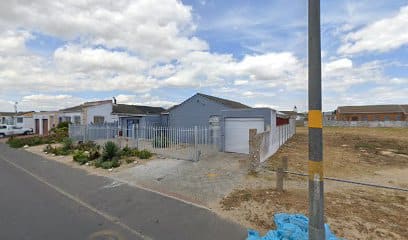
Cape Town offers a diverse range of places to stay, from intimate guesthouses to stylish boutique hotels and family-friendly lodges. When planning a stay, think about the experience you want as well as practical needs such as transport links, parking and access to attractions. The city is spread across several popular neighbourhoods, each with its own character. City Bowl and the Central Business District give you easy access to museums, markets and a lively dining scene, while the Atlantic Seaboard areas such as Camps Bay and Sea Point offer dramatic sea views and kilometres of promenade. For a quieter, leafy retreat, Constantia and the southern suburbs provide wine routes, gardens and a more relaxed pace. Hout Bay and Kalk Bay present a coastal village vibe with easy access to beaches and scenic drives, and Muizenberg is well known for its colourful surf culture and family-friendly beaches. Bella Don Guesthouse sits among the city’s guesthouse options, offering a convenient base to explore the region from a comfortable, personal setting.
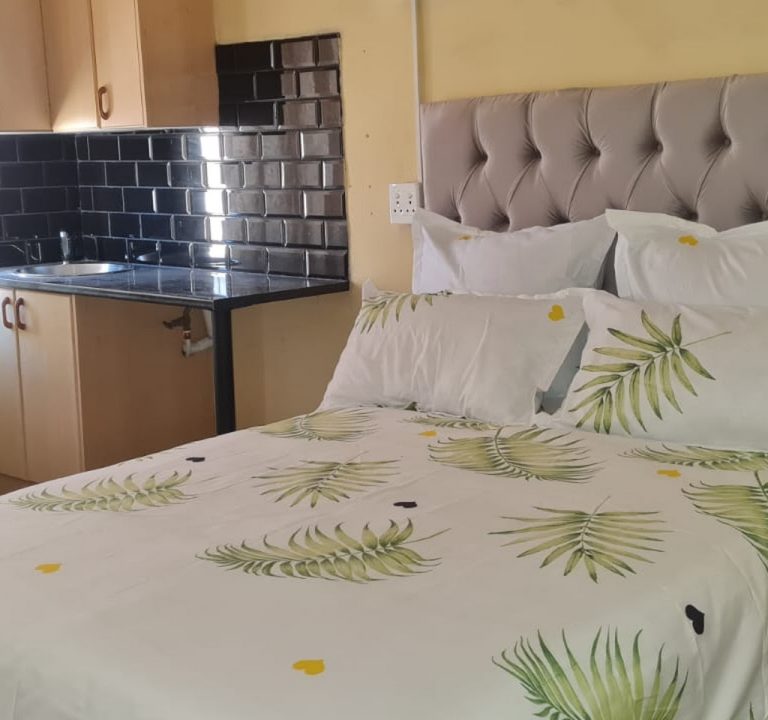
Typical amenities you can expect will vary by property, but many guesthouses and boutique hotels in Cape Town offer en-suite bedrooms, free WiFi, and breakfast included or available on request. Secure parking or easy access to public transport is common, along with guest lounge spaces, outdoor terraces or pools, and in some cases kitchen facilities or self-catering options. When booking, check whether the property has 24-hour reception, a car park, and whether it offers laundry services or shuttle arrangements for popular routes or airports. If you value a sea view, closeness to the city centre, or proximity to specific attractions, use filters to identify properties in the right neighbourhoods and with the amenities you prioritise.
Transport in Cape Town is well supported by the MyCiTi bus network, which connects major hubs and tourist areas, and by Uber or local ride-hailing services. If you plan to explore beyond the city centre, renting a car can be convenient for day trips along the coast or into the Cape Winelands. Some guesthouses offer easy access to hop-on hop-off routes or guided tours, which can be a practical way to cover key sights without the hassle of navigation. Remember that parking may be limited in busy city areas, so confirm whether your accommodation provides guaranteed parking and whether street parking is pay-and-display or permit-based. A smart plan is to cluster days around one neighbourhood to minimise driving and parking time, then switch if you want a different atmosphere mid-stay.
The peak outdoor season in Cape Town runs through the southern hemisphere summer and shoulder months. Summer (November to March) offers long days, good sea conditions for beaches and water activities, and a lively street life. Winter (June to August) brings cooler, wetter weather but still plenty of indoor or sheltered pursuits, such as galleries, markets, and excellent dining. Spring and autumn are often ideal for people who want mild temperatures, blooming gardens (like Kirstenbosch), and fewer crowds at popular sights. If you’re planning wine-tasting trips to Constantia or nearby Stellenbosch and Franschhoek, consider weekday tastings or pre-booked tours to secure slots during peak periods.
When considering attractions, many visitors mix nature, culture and gastronomy. Table Mountain and the surrounding constellations of parks offer views and hiking routes suitable for varied fitness levels. The V&A Waterfront provides a blend of shopping, waterfront dining, and access to boat trips, while the historic Malay Quarter and Bo-Kaap area presents colourful houses and culture-rich strolls. On the coast, Clifton and Camps Bay beaches are iconic beaches with rock pools and scenic cliffs, while Muizenberg is a great spot for families and beginner surfers. For nature and gardens, Kirstenbosch National Botanical Garden and the Cape Point nature reserve are widely cited as highlights of the region. Nightlife and dining in the city centre and the Atlantic Seaboard range from casual cafés to refined eateries, with wine-tasting and rooftop bars often featuring in longer itineraries.
When selecting restaurants, you’ll find a broad spectrum of options that suit different moods and budgets. Casual cafés and markets can offer light, fresh meals with a local twist, while seafood dishes and modern South African menus are popular across many venues. If you’re seeking a relaxed experience after a day of sightseeing, look for venues with outdoor spaces or cosy interiors that capture Cape Town’s warm hospitality and scenic backdrop. It’s always worth checking current opening hours and whether bookings are recommended, particularly for weekends and peak seasons.
Practical tips for a smooth stay: carry local currency for small purchases and markets, though many places accept cards; bring a light layer for cooler evenings, even in warmer months; respect safety guidelines by staying within well-lit, populated areas after dark and using reputable transport options; plan a flexible itinerary to allow for changes due to weather or tides; and enjoy the local culture and cuisine with a mindful approach to sustainability and community-based experiences. A well-planned stay in Cape Town can offer a balanced blend of natural beauty, historic streets, and memorable dining, all within a comfortable walking distance from your accommodation or a short ride away.
- Book accommodation in a neighbourhood that aligns with your interests and transport needs.
- Check for en-suite rooms, breakfast options, parking, and accessibility features.
- Plan day trips to Table Mountain, Kirstenbosch, and the Cape Winelands with a practical travel plan.