Exploring Dolphin Coast, KwaZulu-Natal: where to stay and how to plan your visit
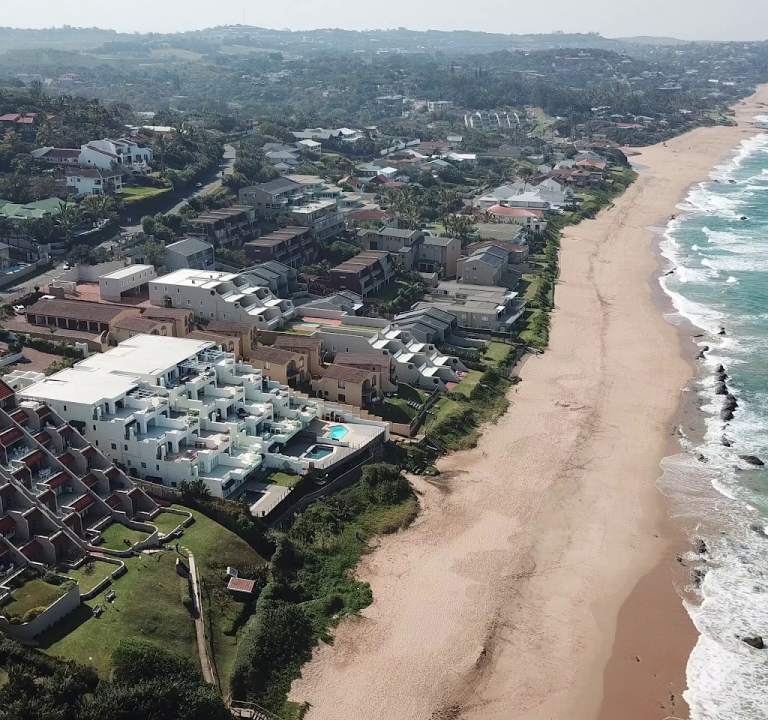
The Dolphin Coast of KwaZulu-Natal is renowned for its long, surf-friendly beaches, warm Indian Ocean water and a relaxed island-influenced vibe. It stretches along the coast from Ballito in the south to Grade R, offering a mix of unspoilt beaches, family-friendly coves and tranquil lagoon-fronts. When planning a stay, think about what you want from your holiday—easy beach access, a base close to shops and eateries, or a quieter retreat with lush coastal scenery. Accommodation in the area ranges from guest houses and boutique lodges to self-catering apartments and larger hotels, each with its own character and range of facilities.
Areas to consider include holiday-belt towns with a lively ambience and practical amenities, or quieter coastal villages that prioritise space and nature. In the busier hubs, you’ll find a variety of dining options and casual entertainment, alongside convenient supermarkets and transport links. For a more relaxed experience, look to smaller settlements or beach strips where the pace is slower and the scenery takes centre stage. Regardless of location, most stays are well-suited to families, couples and solo travellers who appreciate a combination of beach access and Mediterranean-style subtropical gardens.
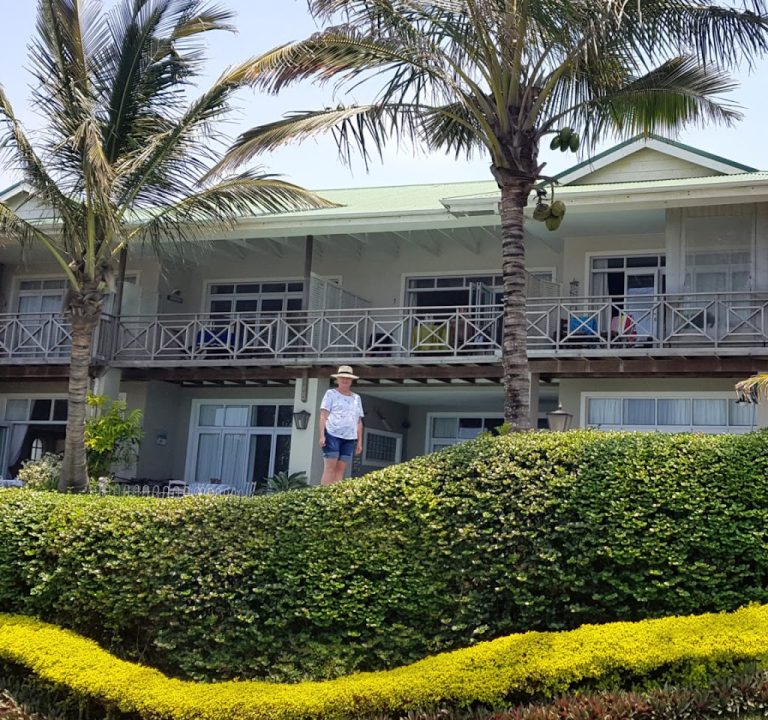
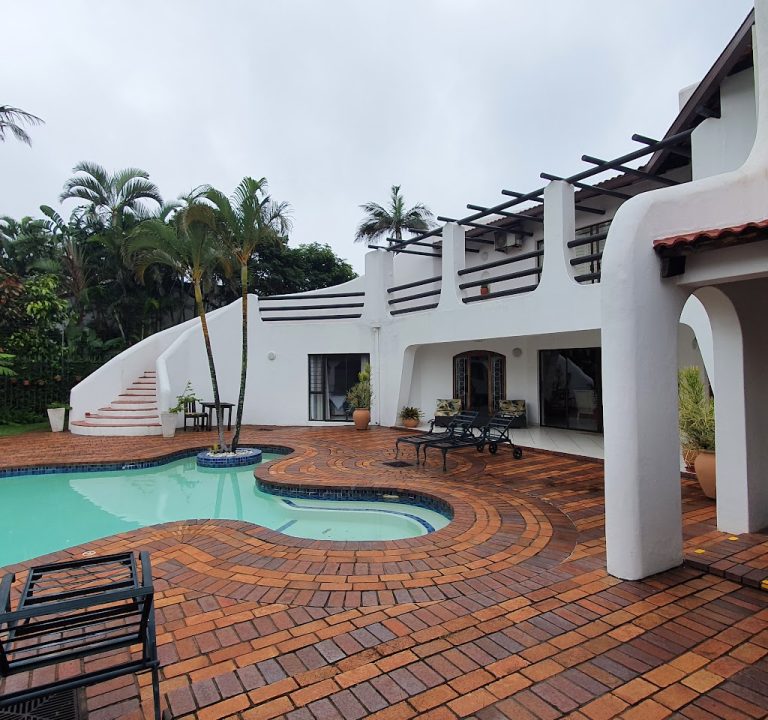
Typical accommodation options include guest houses, guest-friendly lodges, and self-catering units. A guest house often provides a comfortable, home-from-home environment with daily housekeeping and on-site hosts who can offer local tips. Self-catering apartments or villas give greater flexibility for families or longer visits, with kitchens or kitchenettes, living spaces and sometimes shared garden areas. Boutique lodges may offer a touch more privacy and bespoke furnishings, along with on-site services like breakfast or organised activities. When you compare options, pay attention to:
- Proximity to the beach and the sections of coastline you prefer (e.g., calmer lagoons vs. surf-friendly stretches).
- On-site facilities such as parking, laundry, Wi‑Fi, and whether meals are included.
- Accessibility and transport links if you plan to move around without a car.
- Room configurations, especially if you are travelling with children or a group.
- Safety features, including fencing, secure entry, and well-lit common areas.
When you’re booking, factor in the climate and seasons. The Dolphin Coast enjoys a subtropical climate with warm summers and mild winters, making it a year-round destination. Peak seaside seasons align with school holidays and long weekends, when properties can fill quickly and prices may rise. The cooler shoulder months can be excellent for outdoor walking and wildlife watching, while the warmer months are ideal for beach activities, snorkeling and river or estuary visits. If you’re visiting during school holidays, be prepared for busier beaches and popular local spots. Off-peak visits can offer quieter beaches, more straightforward parking and easier negotiating of accommodation rates.
Practical planning tips to help you make the most of your stay:
- Book accommodation with easy beach access or a short walk to the coast, especially if you are travelling with children or mobility considerations.
- Check for family-friendly amenities such as cots, high chairs, and child-safe spaces, as well as any age restrictions or rules in shared facilities.
- Consider a flexible or semi‑flexible booking policy in case of weather-related changes or last-minute plans.
- Assess transport options: whether the area is best navigated by car, and if you’ll need parking, or if some properties offer shuttle services or easy taxi access.
- Ask hosts or management for local activity ideas—many places can arrange or recommend light excursions, nature walks, or beginner surf lessons.
Within easy reach of the coast, expect a variety of attractions that suit different interests. You can usually expect miles of sandy beaches ideal for long walks, picnics and safe swimming during calmer days. The coast also offers opportunities for nature trails, birdwatching and short strolls through coastal forests or dune systems. For a change of pace, nearby inland areas feature scenic drives, markets, and small art and craft outlets where you can pick up local handmade goods. Families commonly enjoy activity-friendly days that combine beach time with gentle coastal exploration, while couples often favour sunsets, quiet beachfront walks and dining experiences with sea views.
Dining in the Dolphin Coast region tends to be relaxed and informal, with eateries ranging from coastal bistros to casual seafood spots. Expect menus that highlight fresh produce from local farms and the sea, with many venues offering seasonal specials and staple staples for children. If you’re planning to dine out in the evenings, it’s worth reserving a table during peak periods, particularly on weekends and holidays. For guests staying in self-catering or apartment-style accommodation, local markets and seaside deli shops provide ingredients for easy meals, while staying at a property with a breakfast service can set you up for a full day of exploration.
Best time to visit is flexible and depends on your preferences. If you enjoy warmer seas for swimming and longer beach days, late spring to late summer is ideal. For wildlife enthusiasts, some periods can coincide with migratory patterns or calmer coastal conditions that make travel easier. Consider combining a beach-focused break with a short inland excursion to sample the broader KwaZulu-Natal landscape. With careful planning and a dash of spontaneity, a stay along the Dolphin Coast can offer restorative coastal scenery, accessible accommodation, and memorable experiences that highlight the relaxed hospitality of KwaZulu-Natal.