Accommodation and Experiences on the Dolphin Coast, KwaZulu-Natal
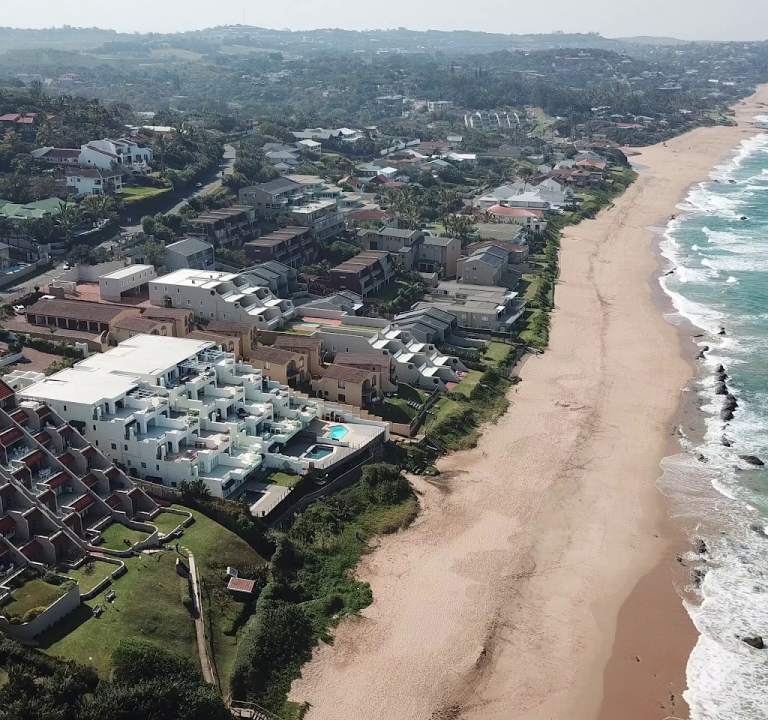
The Dolphin Coast along KwaZulu-Natal’s north coast offers a relaxed mix of family-friendly beaches, stylish self-catering stays and welcoming guesthouses, all within easy reach of Durban’s urban amenities. The area stretches from Ballito in the south towards Umdloti and beyond, with quieter corners such as Salt Rock and Shakas Rock offering a more laid‑back vibe. When planning a stay, consider the rhythm of the coast: a long beach frontage for morning walks, cooler evenings for alfresco dining, and pockets of (seasonal) activity that suit both sunseekers and nature lovers.
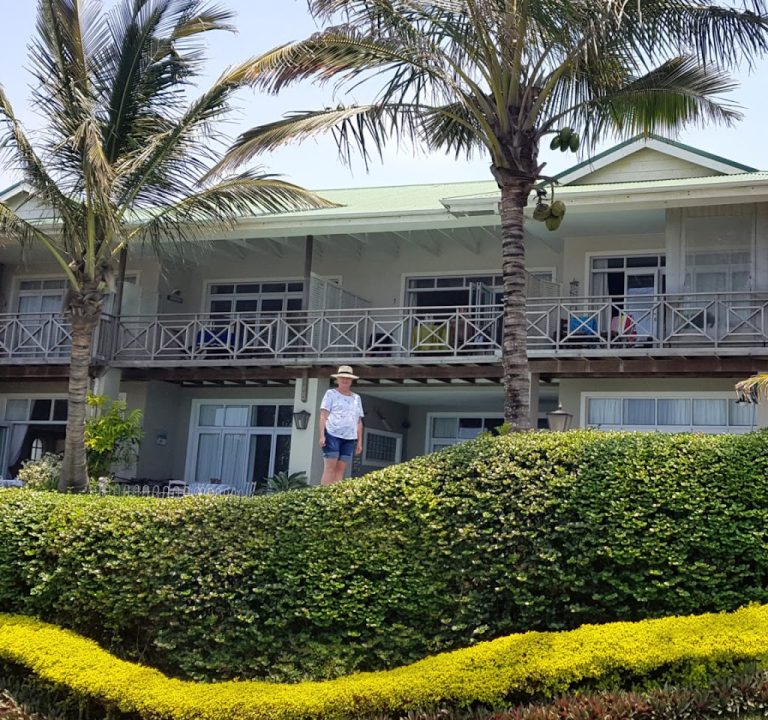
Accommodation on the Dolphin Coast ranges from self‑catering apartments to intimate guesthouses and larger hotels. A self‑catering option is convenient for families or groups wishing to tailor mealtimes and routines. For example, Beachfront Apartments in Shakas Rock provides self-contained units with kitchen facilities and sea views, offering practical bases for day trips and beach days. When you book, check proximity to main beaches, parking availability, and whether the property offers essential inclusions such as wi‑fi, laundry facilities, and good security. Always read recent guest reviews to gauge consistency in cleaning and service levels.
Areas to consider include:
- Ballito: A lively hub with a long beach, a promenade and a growing assortment of eateries, boutiques and family‑friendly activities. It’s well placed for day trips to surrounding reserves and towns.
- Umhlanga and Tongaat areas: A blend of resort style and residential accommodation, often with well‑stocked beaches, promenades and convenient access to Durban’s airport corridor.
- Shakas Rock and Salt Rock: Quieter, with a more residential feel and direct beach access, ideal for guests seeking a relaxed pace and simpler, homely stays.
What to look for when booking includes location relative to the beach, crowds during peak season, and access to local transport. Most properties along the Dolphin Coast provide on‑site parking, friendly hosts, and clean, comfortable rooms or units. For families, confirm kid‑friendly amenities such as safe play spaces, guest pools, and spacious living areas. For couples or solo travellers, privacy, balcony or sea views, and easy walking access to the shore can be high priorities.
Typical amenities you may find in accommodation on the Dolphin Coast include fully equipped kitchens or kitchenettes, air‑conditioning or ceiling fans, private patios or balconies, secure parking, and reliable Wi‑Fi. Some properties offer community pools, braai facilities (barbecues), and communal outdoor spaces that encourage a relaxed, holiday‑minded pace. If you’re travelling with pets, check if the property allows animals and what restrictions apply. For longer stays, inquire about weekly housekeeping, laundry facilities, and proximity to supermarkets and bakeries for convenient self‑catering.
Transport is straightforward on the Dolphin Coast. The area is car‑friendly, with most highlights and beaches a short drive apart. If you are relying on public transport, plan ahead as services can be limited outside peak holiday periods. Taxis and ride‑hailing apps are commonly used for evening outings to nearby dining spots. If you intend to explore inland or neighbouring towns, renting a car for the duration of your stay will maximise your freedom to discover the coastline and its nearby nature reserves, estuaries, and viewpoints.
The best time to visit the Dolphin Coast is broadly year‑round, with subtropical warmth that makes beach days appealing outside peak heat. Summer (December to February) brings long days and occasional tropical showers; it’s ideal for swimming, surfing and dolphin watching from the shore. Winter (June to August) offers milder days and peaceful beaches for long, contemplative walks. Spring and autumn generally provide pleasant temperatures and lighter crowds, which can translate into easier access to viewpoints and quieter eateries.
Practical tips to help you plan a smooth stay:
- Check access to beaches with lifeguards and safe swimming zones; some beaches have seasonal restrictions or flags indicating currents.
- Factor in driving times to Durban, regional reserves, or day trips to historical towns and markets to avoid peak traffic.
- Read cancellation policies carefully, especially for peak holiday periods when demand is high.
- Confirm what’s included in your booking (linen, cleaning, beach equipment) to avoid extra costs during your stay.
- Pack sun protection, lightweight layers for cooler evenings, and a basic first‑aid kit for day trips along the coast.
While enjoying the coast, visitors can savour a sense of place through strolls along the beachfront, casual dining and local markets, or longer trips to nearby natural attractions. Traditional meals are often simple and hearty, with fresh seafood, South African braai flavours and vibrant produce commonly available in local eateries. The region’s hospitality is famously warm, with guesthouses and self‑catering properties keen to help guests tailor recommendations—from the best beaches for sunrise walks to tranquil spots for watching the sea and listening to shorebirds.
For more information on a self‑catering option, you can explore details at Beachfront Apartments in Shakas Rock, which highlights the appeal of coastal stays with practical amenities and direct access to the coast. Beachfront Apartments in Shakas Rock