Accommodation and experiences in Amanda, Limpopo: planning a relaxed, nature-filled stay
Amanda in Limpopo presents a gentle mix of wildlife, wide skies and easy access to the northern South African countryside. Visitors typically come to unwind in a lodge or guesthouse setting, while enjoying easy access to nature reserves, birdlife and open landscapes. When planning a stay, consider the surrounding areas, the pace you want, and how you will move between rural comforts and the region’s natural attractions. The emphasis in Amanda and nearby lodges is often on comfortable, characterful accommodation set within or near game-rich landscapes, with a warm, African hospitality feel.
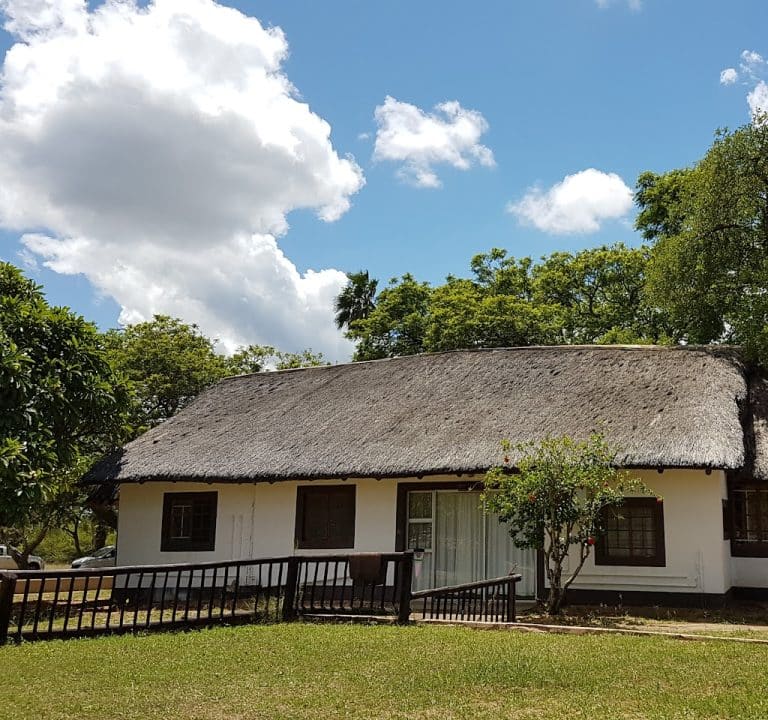
Accommodation in this part of Limpopo tends to fall into a few reliable categories. Lodges and nature reserves offer guided experiences, family-friendly options, and intimate, boutique-style stays. Guesthouses and country houses provide a homely base with friendly service, while self-catering cottages can suit travellers who prefer independence. For a true sense of place, look for properties that emphasise sustainable practices, local cuisine and the opportunity to learn about the landscape and wildlife from knowledgeable guides.
When selecting where to stay, think about the environment you want. If you’re drawn to bushveld mornings and evenings, a lodge with a verandah, game drives and on-site dining is ideal. If you prefer a quieter, more self-contained break, a comfortable guesthouse or self-catering option near tranquil provincial scenery can be perfect. Proximity to nature reserves, marked trails, and wildlife viewing opportunities is often more important than sheer luxury, though many properties blend both comfort and a sense of wilderness.
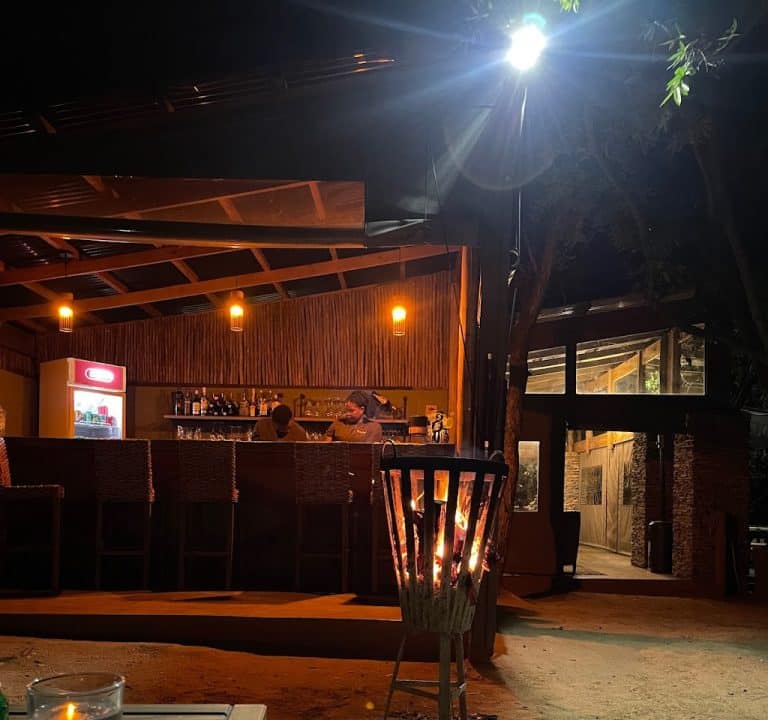
Typical amenities you might encounter include air-conditioned rooms or fans for warm seasons, mosquito nets, safes, tea and coffee facilities, and en-suite bathrooms with modern fittings. Some properties offer plunge pools, spa services, or wellness programmes, which can be a treat after a day spent exploring. A good plan is to check what meals are included (breakfast only, or half-board), whether there are on-site dining options for evening meals, and if there are alcohol policies, as these can influence your daily schedule. Access to reliable Wi‑Fi varies; in some bushland settings, connectivity is intentionally limited to encourage immersion in nature.
Transport and access are practical considerations. If you’re flying into the area, you’ll likely travel by road from regional hubs, with transfers arranged by your accommodation or a local operator. Having a car is convenient for exploring multiple viewpoints, villages, and reserves at your own pace. If you prefer guided experiences, many lodges organise morning or late-afternoon game drives, bush walks, or photography sessions with expert guides. When booking, confirm whether transfers from the airport or rail terminal are included and what the luggage policy is for any 4x4 or light aircraft transfers.
Best time to visit Amanda and the surrounding Limpopo landscape depends on what you want to experience. The dry season (roughly May to September) tends to offer excellent wildlife viewing as animals congregate around water sources, and road travel is easier. It can be cooler in the early mornings and evenings, with clear skies for stargazing. The wet season (roughly October to March) brings lush greenery, rich birdlife, and dramatic skies, but some roads may be slower to navigate after rain. Shoulder periods can provide a balance of wildlife viewing and comfortable temperatures. Always check the local climate forecast and wildlife activity reports from your lodge or guesthouse ahead of your stay.
Practical planning tips to help you make the most of your trip:
- Book early if travelling in peak season or during school holidays, and clarify cancellation terms and weather contingency options.
- Request a room or lodge with easy access to outdoor spaces or viewing decks if wildlife encounters are a priority.
- Ask about guided experiences, including sunrise or sunset safaris, bush walks, birdwatching, or traditional culinary demonstrations.
- Plan for varied surfaces when packing – sturdy footwear is useful for outdoor exploration, while lightweight, breathable clothing helps in warmer days.
- Consider a slow itinerary that balances days on the reserve with time to relax by a pool, read, or enjoy spa services if offered by the property.
Nearby attractions and experiences tend to revolve around the natural environment and provincial towns. Expect opportunities for safari-style days, scenic drives along open landscapes, and opportunities to connect with local communities through guided tours or craft markets. Dining in the region often highlights South African flavours with a focus on fresh, seasonal ingredients. If you crave variety, you can also plan an excursion to nearby towns for a market stroll, a coffee stop, or a casual restaurant meal that showcases regional produce and hospitality.
For those seeking a range of accommodation styles, consider staying in or near well-regarded conservation areas or private reserves that emphasise responsible tourism and nature conservation. It’s worth noting that some properties pair their lodging with educational or conservation initiatives, offering guests a chance to learn about the local environment while enjoying a comfortable stay. Website pages of individual lodges and guesthouses typically provide the best overview of what to expect in terms of rooms, activities, and dining options, including example itineraries and practical tips for planning your days.
Whether you choose a boutique lodge with a private deck and spa facilities or a cosy guesthouse with easy access to hiking trails and wildlife viewing, Amanda offers a gateway to Limpopo’s northern landscapes. Plan thoughtfully, respect the natural surroundings, and you’ll enjoy a memorable, traveller-friendly stay that balances comfort with adventure.