Discover Amanda, Limpopo: where to stay and how to plan your visit
Amanda in Limpopo offers a wholesome escape rooted in grasslands, wildlife encounters, and the warmth of South African hospitality. When planning a stay, guests typically consider a mix of lodges, guesthouses and self-catering options that blend comfort with easy access to the surrounding landscape. The area is well suited to travellers seeking a relaxed pace, whether you are courting a nature-break, a family holiday or a short cultural detour.
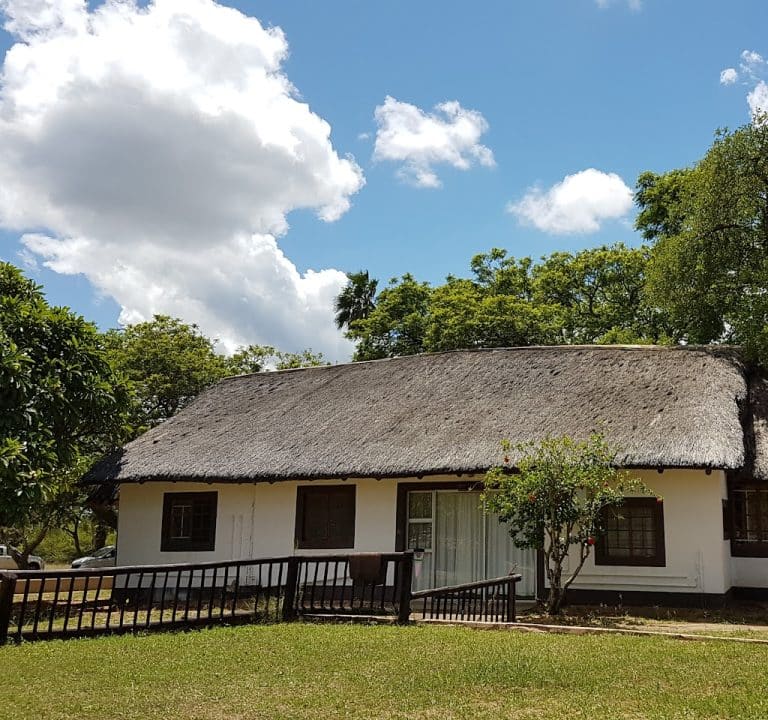
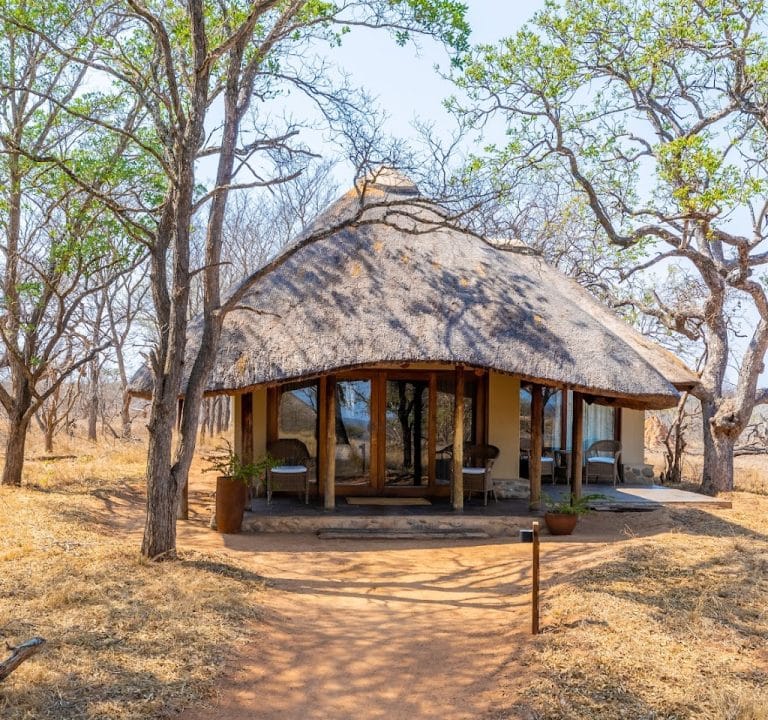
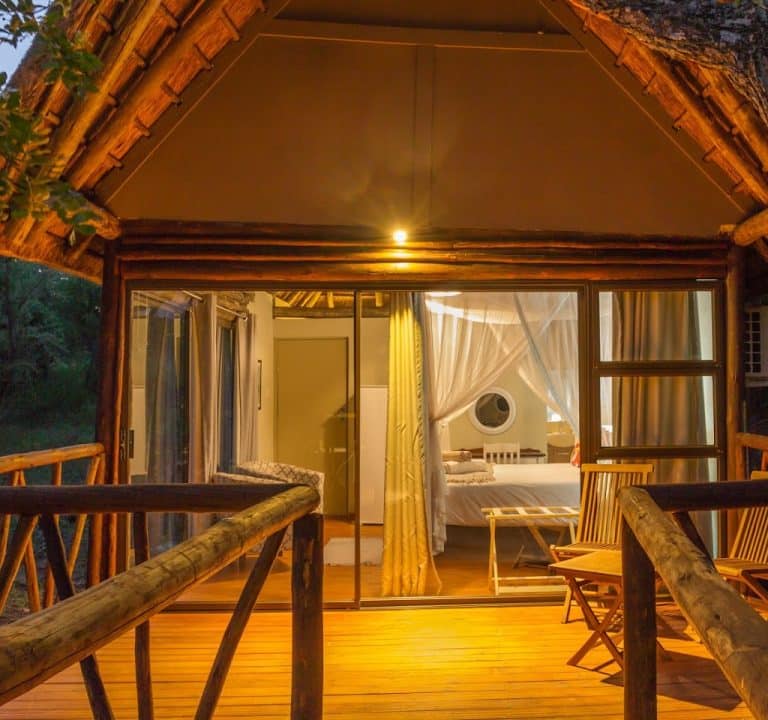
Accommodation options in Amanda range from lodge-style retreats to intimate guesthouses and family-run farms. If you are after a high-end experience, a lodge or luxury tented camp can provide spacious en-suite rooms, private verandahs, and wildlife-friendly design. For simpler, more budget-conscious stays, look for guesthouses with hearty breakfasts, communal spaces to meet other travellers, and convenient kitchen facilities. Self-catering cottages or farm stays are also popular, offering the freedom to plan meals around day trips and early starts for game drives or walks.
What to look for when booking is as important as where you stay. Consider the following:
- Location and accessibility: how close is the property to planned activities, gates to nature reserves, and main roads? Check parking arrangements if you plan to hire a car.
- Amenities and comfort: en-suite bathrooms, air conditioning or fans for warm nights, reliable hot water, and secure storage for outdoor gear. If you’re visiting in winter, heating is a plus.
- Wildlife and safety: properties offering on-site guides or organised game drives can enhance a visit, while clear safety information and good lighting at night improve convenience.
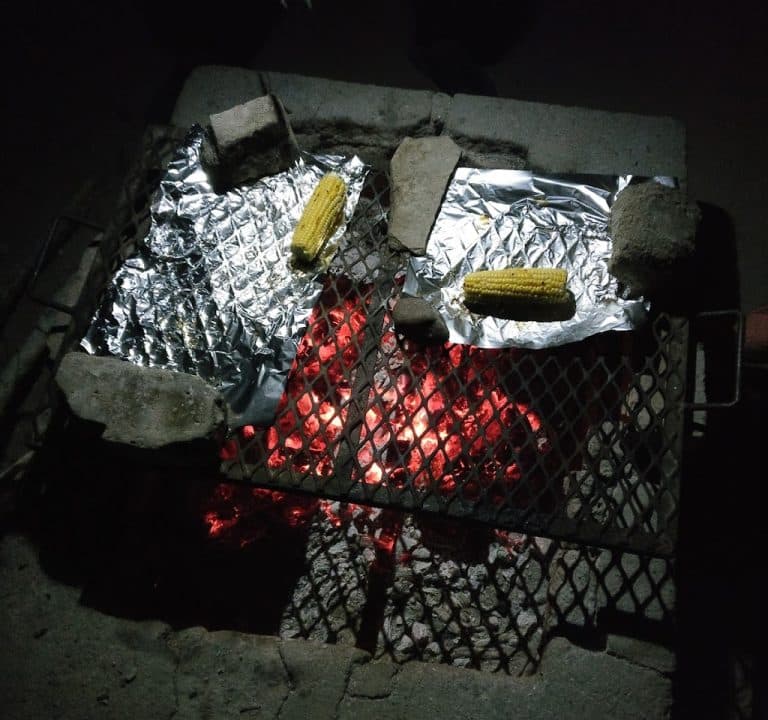
- Meals and self-catering: whether breakfast is included, if dinner is available, and if kitchen facilities exist for self-catering.
- Flexibility and access: clear check-in/check-out times, policies regarding children's age limits, and whether the property can arrange activities or transfers.
Typical amenities you might encounter include private or shared lounges, shaded verandahs, outdoor seating, plunge pools or splash pools, and easy access to nature trails. Many properties will offer guided walks or driving safaris in nearby reserves, complemented by insightful conversations with hosts about the local area. Laundry services and secure free parking are common conveniences for travellers moving between destinations in Limpopo.
Transport in and around Amanda is most straightforward with a private vehicle. Having your own car makes it easier to explore at your own pace, reach wildlife areas before dawn for the best light and opportunities, and enjoy sunset drives. If you prefer not to self-drive, some lodges arrange transfers from major hubs or airports, subject to availability. When planning a longer stay, consider how you’ll manage daily excursions, especially if you intend to visit multiple wildlife or cultural sites in a single day.
The best time to visit Amanda depends on what you want from your trip. The dry season, typically winter, is popular for wildlife watching as animals gather near water sources and vegetation becomes less dense. This period often features cooler mornings and pleasant daytime temperatures. The rainy season brings verdant scenery and more birdlife, but showers can disrupt outdoor plans. Shoulder seasons can balance comfortable weather with fewer crowds. For malaria-aware travellers, it is wise to consult current health guidance and prepare accordingly, since some areas in Limpopo carry malaria risk during certain months.
Planning a practical itinerary begins with identifying a couple of anchor experiences. A stay centred on a lodge or guesthouse near a private reserve can provide daily wildlife activities with expert guides, typically offering game drives or guided walks. If you are keen on cultural experiences, look for community-run rural tours or visits to traditional villages that some lodges support. For food lovers, expect hearty, homemade meals that reflect South African homestead cooking, with seasonal ingredients and regional flavours. Restaurants outside your overnight base can range from rustic bistros to casual grill houses, offering dishes that celebrate local produce and comforting favourites after long days in the outdoors.
When selecting where to base your stay, consider a couple of practical strategies. Proximity to nature reserves and hiking trails helps maximise wildlife or scenery time, while staying in a village or town with simple conveniences can reduce daily travel. Check if the property offers on-site information about current wildlife activity, weather considerations, or seasonal tips, and whether staff can tailor activities to children or less-mobile travellers. If mobility is limited, ask about room features, such as ground-floor access and easy paths to dining areas or viewing decks.
As you map your route, you might encounter a range of visitor experiences branded as sustainable or community-focused. Many accommodation providers in Amanda support conservation-friendly practices, local employment, and responsible tourism initiatives. While exact attractions and restaurant names vary, you can expect a blend of scenic landscapes, open spaces for stargazing, and opportunities to sample genuine Limpopo hospitality. For more ideas and practical planning, reliable local tourism resources and official regional guides can offer current recommendations, driving routes, and seasonal highlights. Consider bookmarking a trusted tourism site or the official Limpopo province page to stay updated on events, park hours, and any access considerations during your visit.
In summary, Amanda presents a welcoming mix of lodging styles and authentic experiences. With careful selection of accommodation, clear planning of routes and activities, and an eye for the best seasonal windows, you can tailor a stay that feels both restorative and thoroughly engaging. A well-chosen base close to nature and convenient services makes a stay in this corner of Limpopo both comfortable and memorable.