Durban: A Traveller’s Guide to Accommodation, Areas, and Local Experiences
Durban, on KwaZulu-Natal’s subtropical coast, offers a rich blend of ocean air, cultural vibrancy and easy access to nature. When planning a stay, consider the different neighbourhoods that shape the pace and character of your visit. From beachside escapes along the Golden Mile to leafy, residential settings in Morningside or Glenwood, Durban provides a range of options for every budget and style of travel.
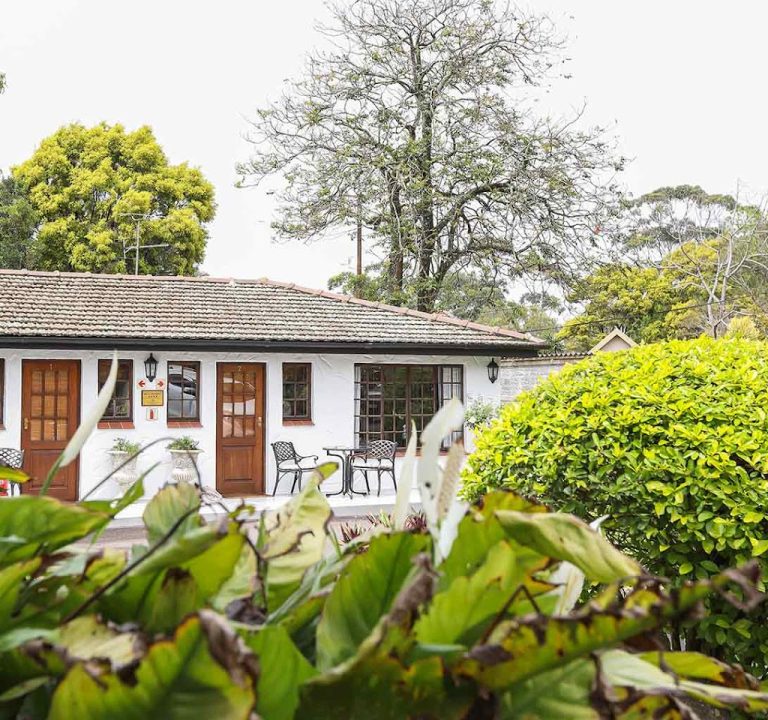
One reliable approach is to base your stay by the sea for easy beach access and relaxed evenings, or in central or inland districts for quick hops to restaurants, markets and cultural sites. If you prefer a quieter, more residential vibe with characterful host homes, small bed & breakfasts and guesthouses offer a personal touch. A notable example is Balmoral Place BnB, a friendly option that combines comfortable spaces with convenient access to Durban’s beaches and city sights. For more information, you can explore their official site at Balmoral Place BnB.
Accommodation options in Durban range from stylish guesthouses and boutique hotels to self-catering apartments and modern high-rise hotels. Think about what matters most to you: proximity to the coastline, parking availability, in-room amenities, or the chance to join a guided experience. Common features in well-regarded places include secure parking, free Wi‑Fi, air conditioning, en-suite bathrooms, and breakfast services. If you’re staying in a B&B or guesthouse, you may also find a host who can offer local recommendations, arrange transport, or suggest authentic dining options nearby.
Areas to consider, depending on your priorities:
- The Golden Mile and Point Waterfront – ideal for beach access, easy strolls along the promenade, and a broad array of restaurants and casual cafes. Accommodation here tends to be modern and compact, with a focus on convenience and sea views.
- <strongGlenwood – a leafy, culturally rich neighbourhood close to universities, museums and distinctive eateries. It’s popular with travellers who want a neighbourhood feel and good transport links to the city centre and major attractions.
- Morningside and Umbilo – a mix of mid-range guesthouses and boutique hotels, often with generous parking and easy access to the city’s business districts and coastal routes.
- Umhlanga and the northern coast – riverside walks, newer developments and a quieter beach scene. Good for longer stays or family trips, with many modern apartments and hotels offering self-catering facilities.
- Durban central and the Midlands – closer to cultural institutions and markets, these areas appeal to visitors who prioritise city life, heritage and day trips to the Valley of a Thousand Hills or the Drakensberg region.
When booking, here are practical factors to weigh:
- <strongAccessibility – check how far the property is from beaches, major roads and public transport routes. If you’re driving, confirm parking arrangements. If you rely on taxis or ride-hailing, ask about the best pickup points near your stay.
- <strongAmenities – consider whether breakfast is included, the availability of self-catering facilities, daily room service, air conditioning (important in Durban’s warm climate), and whether there is a pool or outdoor seating area.
- Bookings and flexibility – review cancellation terms and whether you can amend dates or transfer bookings without penalties, especially around peak seasons or local events.
- Safety and neighbourhood vibes – look for well-lit streets, secure access, and hosts or managers who can provide local safety tips and transportation guidance.
- Local experiences – some accommodations partner with guides or offer recommendations for markets, food stalls, and cultural tours, which can enrich a stay beyond a standard itinerary.
Typical amenities you might expect in Durban stays include air conditioning or fans, comfortable en-suite bathrooms, tea and coffee facilities, and reliable Wi-Fi. A well-run B&B or guesthouse may offer communal spaces for socialising or a savoury breakfast spread featuring local flavours, such as gravies, fresh fruits and hearty breads. For longer visits, consider properties with kitchenettes or full kitchens to add flexibility, particularly if you plan day trips along the coast or to the nearby hills and reserves.
Transport options in Durban are varied. Short hops by local taxis or ride-hailing services are common, with some guesthouses offering shuttle arrangements. Durban’s coastal location makes day trips appealing: you can plan a seaside promenade, a visit to a marine-themed attraction, or a drive into the hills for panoramic views. If you plan to explore beyond the immediate area, inquire about car hire or guided tours that can handle mountain and countryside routes with reliable logistics.
Best time to visit Durban is during the warmer months, typically from late spring through early autumn, when the beaches are most inviting and events are plentiful. However, Durban’s climate is forgiving year-round, and winter often features mild days ideal for exploring heritage sites and markets without the heat of midsummer. If you’re visiting for specific events or festivals, book well in advance and ask hosts for insider tips on avoidable crowds or highlight-worthy local happenings.
In summary, Durban rewards visitors who plan with flexibility and a mix of beach time, cultural immersion, and convenient stays. By choosing a well-situated base, considering essential amenities, and tapping into host insights for dining and activities, you can craft a memorable, comfortable, and authentically Durban experience.