Dolphin Coast, KwaZulu-Natal: where to stay, what to do and how to plan your visit
The Dolphin Coast of KwaZulu-Natal is famed for its long, sandy beaches, gentle waves and lush hinterland. Popular towns along this stretch, including Ballito, are renowned for their family-friendly atmosphere, welcoming guesthouses, and modern holiday apartments that suit a range of budgets. Whether you’re seeking a seaside bolthole with sea views, a self-catering apartment near the beach, or a boutique guesthouse in a leafy estate, the Dolphin Coast offers options that can feel both relaxed and refined.
When planning a stay, consider which area will suit your style and needs. Ballito is well known for its central location, easy access to beaches, and a lively dining scene. If you prefer a quieter base with panoramic coastal scenery, look a little further north or inland to coastal estates and holiday complexes that blend modern comforts with a more relaxed pace. The geography is such that you can easily combine beach days with time in the town markets, forest reserves or coastal paths that thread through the region.
Booking tips help ensure a smooth stay. Look for accommodation that clearly lists what’s included in the rate—such as secure parking, kitchen facilities, and laundry options. Check the cancellation policy and whether short-notice changes are possible, especially if you’re travelling during school holidays or peak season. Reading guest reviews can provide practical insights into noise levels, the reliability of Wi-Fi, and how the host handles guest queries. If you’re travelling with children, confirm child-friendly features such as safe stair gates, a pool with safety barriers, and proximity to beaches with lifeguard supervision.
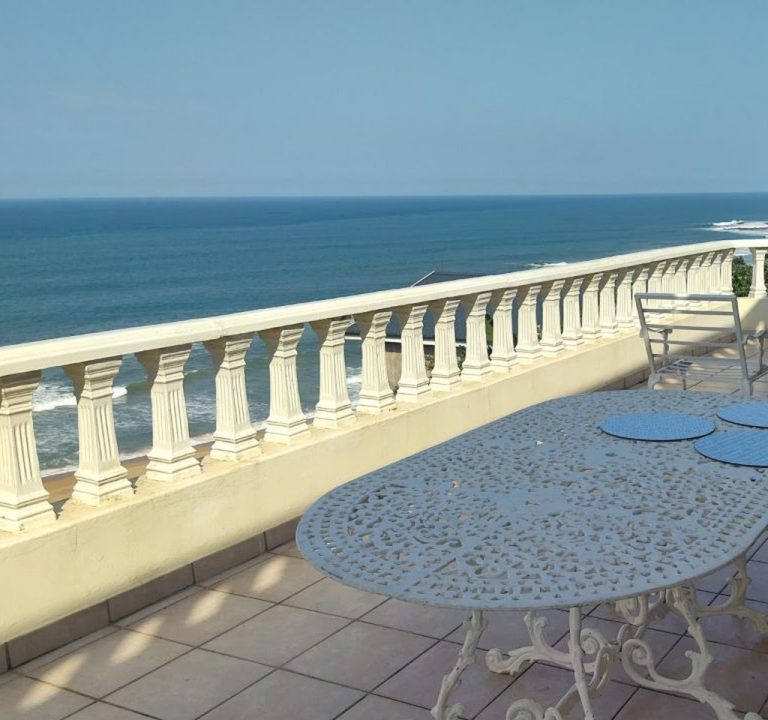
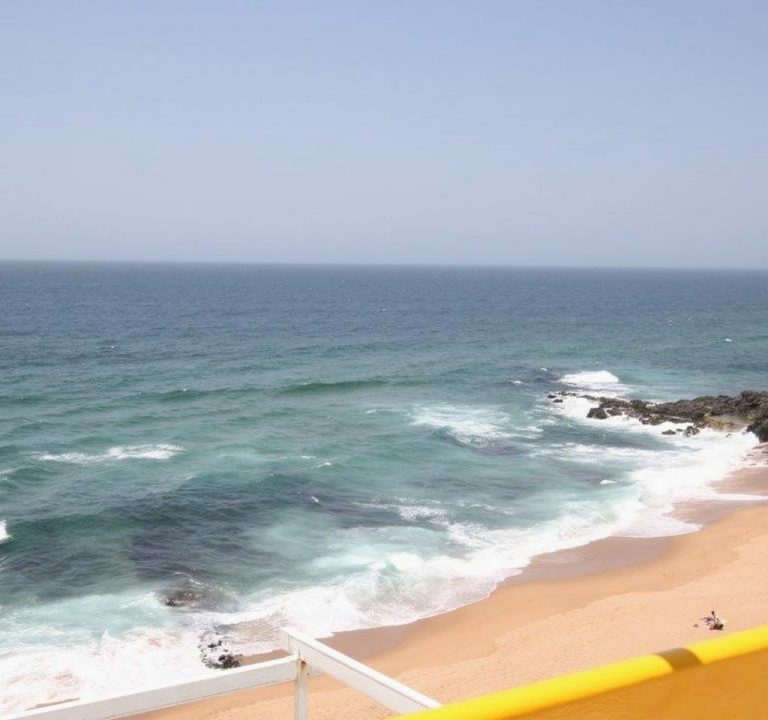
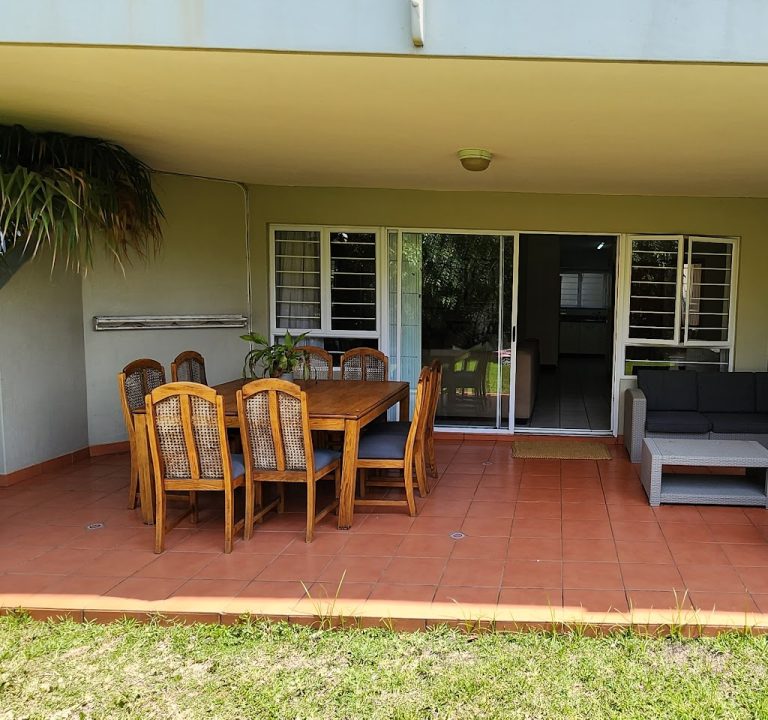
Typical amenities across Dolphin Coast options range from well-equipped kitchens and private terraces to air conditioning, complimentary parking and in some cases, gated security. Beachfront or near-beach properties often advertise balconies or verandas with sea views, making sunset strolls and sea breeze part of your daily ritual. For longer stays, a property with a full kitchen, washing facilities and easy access to supermarkets can substantially ease holiday life. If you’d prefer a more hands-off experience, many guesthouses and serviced apartments offer daily or weekly cleaning services and a seamless check-in process that reduces the hassle of travel.
Transport and getting around are straightforward but require a little planning. The Dolphin Coast is best explored by car for flexibility, with most attractions scattered along coastal towns and inland nature reserves. Rental cars are commonly available at regional hubs, and many accommodation options include parking. If you don’t drive, some guesthouses can arrange transfers to local beaches, markets, and restaurants, while larger towns have limited taxi services and ride-hailing options. In peak season, expect more traffic near popular beaches and dining precincts, so budgeting extra time for journeys is sensible.
For timing your visit, the region’s subtropical climate generally means warm summers and mild winters. The coast enjoys long beach days most of the year, with peak swimming conditions in summer months. Winter can bring cooler breezes and occasional rainfall, which can be perfect for forest walks or a quieter beach experience. Whale watching and marine life can be observed during certain periods, and local events frequently celebrate seafood, crafts and music. If you’re planning outdoor activities like hiking or beachside picnics, dawn and late afternoons are often the most enjoyable, with the midday sun strongest in summer.
Attractions and experiences in and around the Dolphin Coast are broad rather than boutique-specific. Expect lush coastal trails that link beaches, tidal pools and viewpoints, as well as nature reserves where you can glimpse local birds and coastal flora. Water-level activities such as calm swimming beaches, stand-up paddleboarding and snorkelling are common, with operators offering equipment hire and guided experiences. Family-friendly pursuits often centre on safe, sandy shores with gentle surf, playgrounds, markets and casual eateries that emphasise fresh seafood and local produce. For culture and history, you can explore small towns’ markets and waterfront paths, where local crafts and street food add a tactile flavour to your stay. Dining tends to lean towards relaxed eateries with menus featuring coastal favourites, from light breakfasts to hearty lunches and seafood dinners, complemented by casual bars and terrace seating with ocean views.
- Choose accommodation close to the beach if you prioritise sea views and easy morning access to the shoreline.
- Where possible, opt for properties with a kitchen or kitchenette to keep costs down on casual days.
- Look for options with secure parking and 24-hour security in gated complexes if you’re travelling with family.
Practical tips to optimise your stay: confirm access details before arrival, especially if you’ll be arriving late; pack sun protection, a light rain jacket for the coastal canopy; and bring your own snorkelling gear if you have it, as this can save on rental costs. Check the local weather forecast ahead of outdoor days and keep a flexible itinerary to accommodate changing tides and sea conditions. When planning meals, take advantage of farmers’ markets and delis in the area for fresh, local produce. For a broader sense of the region, you can consult KwaZulu-Natal’s tourism resources and local visitor information sites for suggested day trips, including hinterland forest walks and scenic coastal drives.
With its blend of sandy shores, comfortable accommodation and easy access to dining and outdoor activities, the Dolphin Coast offers a welcoming base for a relaxed KwaZulu-Natal escape. For further ideas and practical planning, explore regional tourism sites and consider staying in a Ballito-area apartment or estate to balance independence with a sense of place. More information and inspiration can be found at reputable local tourism portals and official sites.