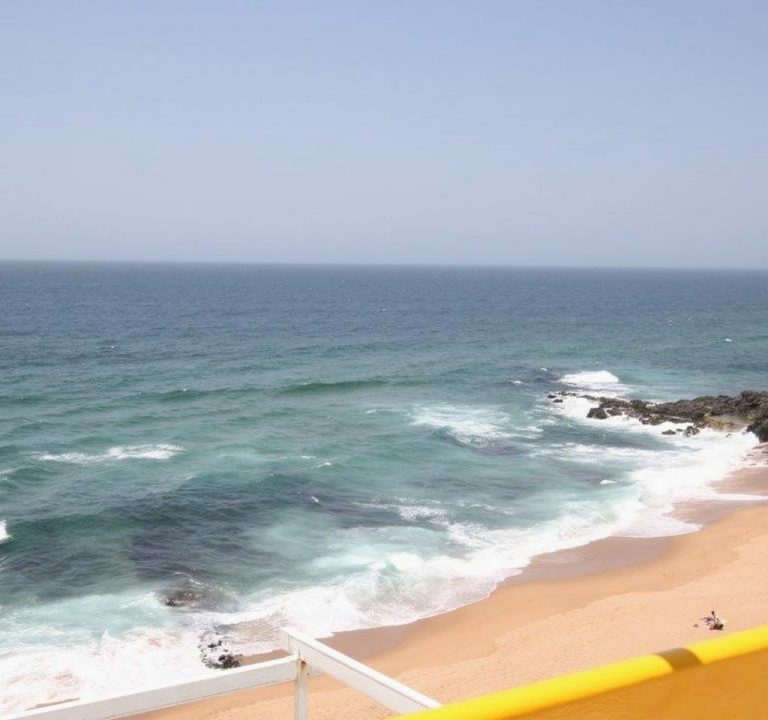
Accommodation and experiences on the Dolphin Coast, KwaZulu-Natal
The Dolphin Coast in KwaZulu-Natal is a forgiving, sun-drenched stretch along the province’s subtropical coastline, characterised by long golden beaches, warm Indian Ocean waters and a relaxed, traveller-friendly vibe. When planning a stay, you’ll find a range of accommodation options to suit different groups and itineraries, from self-catering retreats tucked away in coastal villages to guesthouses within easy reach of the beach and hinterland scenery. A thoughtful choice will hinge on access to beaches, proximity to towns with shops and eateries, and the kind of amenities you value for a stress-free break.
Self-catering stays are particularly popular here, offering flexibility for families, groups and longer visits. A property situated within a short walk or bike ride of the coastline makes it easy to enjoy morning strolls along the shore, while a private outdoor space or pool can be a welcome retreat after a day of exploration. If you opt for a self-catering base, look for well-equipped kitchens, reliable wifi, comfortable bedroom configurations, and clear information about local shops and markets for easy provisioning. One example worth noting is a self-catering option that presents itself as a well-positioned base for coastal access and relaxed downtime, with a dedicated website that highlights its practical features for guests.
Beyond self-catering, there are guesthouses and small hotels that balance comfort with a personal touch. In the Dolphin Coast, many properties emphasise easy beach access, understated coastal décor, and attentive service. When comparing options, consider the following key factors: distance to the main beaches, convenience to nearby shops and restaurants, parking arrangements, and whether the accommodation includes inclusive perks such as daily housekeeping, a beach kit (towels, chairs, umbrellas), or on-site facilities like a pool or outdoor barbecue areas. Reading guest reviews can provide practical insight into the real-world conditions of the property, from cleanliness to the quietness of rooms and the helpfulness of staff.
Areas to consider when planning your stay include the coastal towns and villages that define the Dolphin Coast. Some locations are noted for their long, sandy beaches and family-friendly atmospheres, while others offer a quieter, more residential feel with convenient access to nature reserves and scenic coastal paths. When choosing an area, think about your group’s pace: a base near the town centre is ideal for easy dining and shopping, while a quieter spot along the shoreline can be better for long beach days and sunsets.
Transport is a practical consideration to keep in mind. The region is well connected by road, with car rental being the most flexible option for exploring remote beaches and day trips inland to scenic viewpoints or markets. Public transport exists, but schedules can be irregular, and some attractions are more easily reached by private transport. If you plan to stay in a self-catering or boutique property, check whether your accommodation offers parking or shuttle arrangements, and consider a loose itinerary that includes a balance of beach time, nature walks, and relaxed meals out.
Best time to visit the Dolphin Coast generally aligns with mild winters and warm summers. The summer months bring long days and typically the warmest sea conditions, ideal for swimming and watersports. Winter offers cooler air and sea breezes that can be perfect for long coastal walks and birdwatching. For ocean-facing activities and outdoor dining, the shoulder seasons—spring and autumn—often provide pleasant weather with fewer crowds. Regardless of season, mornings tend to be calmer for beach walks, while late afternoons deliver spectacular light for photography and sunset wanderings.
Practical planning tips to help you prepare a smooth stay:
- Check beach access and safety: look for properties near family-friendly stretches if you’re travelling with children, and note any lifeguard arrangements or protected swimming zones.
- Consider meal planning: if you’re staying self-catering, verify the kitchen’s equipment level and the proximity to supermarkets or markets for easy provisioning.
- Pack flexible clothing: light layers for coastal breezes, sun protection, and comfortable footwear for boardwalks and nature trails.
- Plan activities with a balance of outdoors and downtime: beaches in the morning, a nature drive or reserve walk in the afternoon, and relaxed dinners in the evenings.
- Be mindful of tides and weather: coastal conditions can influence swimming, surfing spots, and coastal walks, so check local forecasts before heading out.
Beyond places to bed down, the Dolphin Coast offers a range of experiences that suit different interests. Visitors generally enjoy light coastal adventures such as long beach walks, dolphin and birdwatching from shoreline vantage points, and exploring nature reserves or forested trails. The dining scene tends to favour casual, family-friendly eateries and venues that showcase fresh seafood and locally sourced ingredients, often offering casual outdoor spaces to enjoy balmy evenings. For those seeking cultural and culinary highlights, it’s worth planning a day trip or two to nearby towns where markets and eateries provide an approachable taste of KwaZulu-Natal life. When booking, you’ll find that most accommodation providers offer practical tips and local recommendations, and many host properties provide direct links to their own websites with further details about what to expect during your stay.
As you prepare for a Dolphin Coast visit, consider a representative starting point such as a self-catering option with a dedicated website. This can serve as a reliable hub for availability, nearby attractions, and practical tips to tailor your itinerary. For example, Akrotiri 19 is listed as a self-catering accommodation option, and its website offers further information on what guests can expect during their stay, including the setting, facilities, and how it fits into a coastal travel plan. For more inspiration and planning resources, explore reputable travel sites and the official tourism pages of KwaZulu-Natal to stay up to date with any seasonal recommendations or local events.