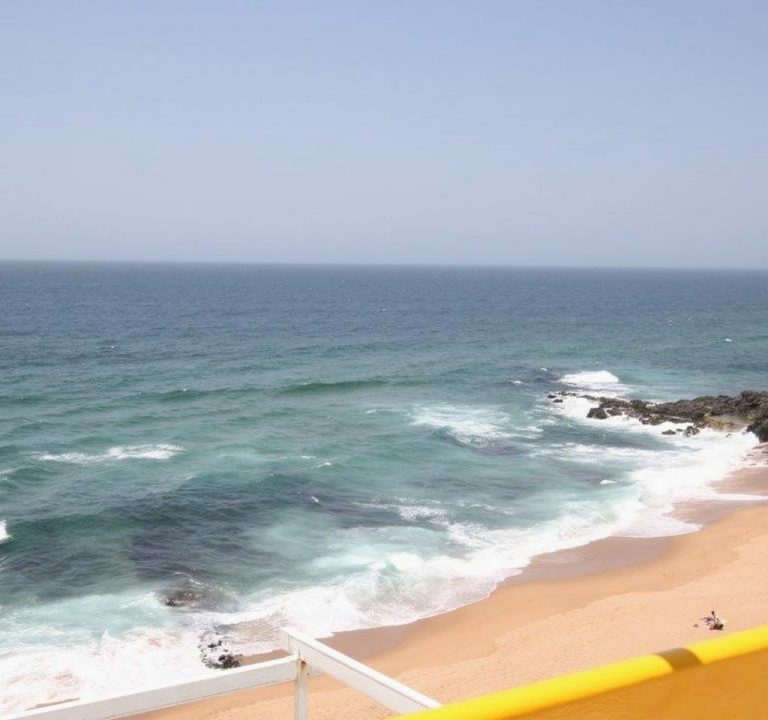
Accommodation and Attractions on the Dolphin Coast, KwaZulu-Natal
The Dolphin Coast along KwaZulu-Natal’s subtropical coastline offers a relaxed, family-friendly base from which to explore a mix of pristine beaches, nature reserves, and small coastal towns. When planning a stay, consider the different pockets of the coast—from the bustling beachfront stretches to quieter inland lodges—to match your travel style and budget. The area is well suited to long weekend breaks, family holidays, and romantic escapes, with a pace that invites you to slow down and soak up the scenery.
Accommodation on the Dolphin Coast ranges from stylish guesthouses and B&Bs to intimate inns, self‑catering apartments, and family‑friendly lodges. If you prefer a modern, resort-like feel, look for properties near the main beach towns, where you’ll often find well-equipped kitchens, pools, and easy access to swimming and water sports. For a more secluded retreat, inland or inland‑adjacent lodges and guesthouses offer spacious rooms, quiet gardens, and a sense of privacy without sacrificing convenience. Booking platforms and local tourism pages will help you filter by amenities such as wifi, parking, air conditioning, and private balconies with sea views.
Areas to consider include the following general zones:
- Beachfront towns with easy access to swimming and eateries, where you’ll find a lively atmosphere and short strolls to the sand.
- Quieter coastal villages and inland estates, suited to travellers who value tranquillity, gardens, and scenic drives.
- Golf and nature‑oriented pockets, often near reserves or coastal forests, ideal for day trips and outdoor activities.
Key features to look for when booking include safety and security (well lit surrounds, secure parking, and supervision if staying in a guesthouse), comfortable bedding, reliable hot water, strong wifi if you need to work or stream, and clear access to the beach or nature trails. A practical checklist might include an en suite bathroom, a good kitchen or kitchenette, and on‑site facilities such as a pool or laundry. Family travellers may prioritise spacious rooms, child‑friendly spaces, and proximity to beaches with gentle currents. Couples or solo travellers might prefer tranquillity, scenic viewpoints, and personalised recommendations from hosts.
Typical amenities along the Dolphin Coast often include air‑conditioning, ceiling fans, and in some properties, patios or balconies with sea views. Self‑catering apartments or townhouses provide flexibility for meals, while bed and breakfast options can include breakfast service with seasonal, locally sourced ingredients. If you’re planning a longer stay, consider a place with a small kitchen or kitchenette, plus laundry facilities and easy cleaning regimens between guests.
Transport is straightforward but varies by location. A car is the most convenient way to explore the Dolphin Coast, enabling day trips to nearby towns, coastal drives, and visits to nature reserves. Public transport is limited in some rural pockets, so confirm parking availability and accessibility if you plan to rely on taxis or ride‑hailing. If you’re staying near the coast, check if your accommodation offers shuttle services or can assist with arranging local tours. When you arrive, a map or compass app will help you navigate the winding coastal roads and beach access points.
The best time to visit depends on your activities. Warmer months (roughly September to April) bring pleasant beach weather and opportunities for swimming, snorkelling, and outdoor dining. Winter (May to August) is milder and often less crowded, with great conditions for long walks along the shore, birdwatching, and enjoying the natural scenery without the peak-season bustle. For those seeking good surf, late autumn and early winter can offer consistent swells on certain beaches, but always check local conditions and lifeguard advisories. If your trip revolves around wildlife or nature, align your dates with local reserve openings and tide schedules for the best shorebird or reptile views.
Local experiences and dining opportunities are typically informal and family‑friendly, with many restaurants offering fresh seafood, grilled fare, and casual menus. Rather than fixating on specific venues, look for spots with sea views, outdoor seating, and menus that highlight local produce. It’s common to find cosy cafés for morning coffee and light lunches, plus restaurants that specialise in barbecue, curries, and Mediterranean‑inspired dishes. For a bite after a day outdoors, many coastal towns provide casual options close to the beach, where you can unwind with a drink and a relaxed meal while watching the sunset over the ocean.
Practical tips to ensure a smooth stay:
- Pack sun protection, light layers for cooler evenings, and a swimsuit for days by the sea.
- Confirm check‑in times and access instructions, especially for self‑catering properties or those with gate access.
- Ask hosts about nearby beaches with safe swimming, as currents can vary across the coastline.
- Budget time for scenic drives along the coast, and for short day trips to nearby reserves or lookout points.
- Respect local wildlife and natural areas, keeping noise to a minimum late in the evening and disposing of litter properly.
For those planning a stay on the Dolphin Coast, consider a multi‑base itinerary to experience both the lively coastal feel and the quieter inland charm. A balance of beach time, nature walks, and relaxed dining can make a stay here wonderfully restorative. To book, consult reputable accommodation platforms, local guesthouse associations, and tourism boards for responsible listings and up‑to‑date information. Local websites and individual property pages can offer further guidance, including maps, nearby attractions, and suggested day plans for a memorable KwaZulu‑Natal coastal escape.