Accommodation and Experiences in Cape Town: Where to Stay and What to Do
Cape Town, in the Western Cape, offers a diverse mix of stays from intimate guest houses to stylish boutique hotels and family-run lodges. Planning a visit often begins with choosing the right neighbourhood, then balancing comfort, accessibility, and flavour. Whether you favour sea views, mountain escapes, or easy access to city sights, the Mother City has options to suit most itineraries and budgets.
Areas to consider when booking a stay include the Atlantic Seaboard for beaches and sunset vistas, the City Bowl for walkability to cafés and cultural attractions, and Constantia or the Southern Suburbs for greenery and quieter mornings. If you want a portrait of daily life, Bo-Kaap’s colourful streets, the V&A Waterfront’s activity, and the leafy suburbs with boutique guest houses offer different kinds of Cape Town experiences. For wine lovers, the Constantia Valley and nearby Stellenbosch or Franschhoek are reachable day trips, often with a scenic drive back to your base in the city.
When selecting accommodation, here are practical features to look for:
- Strong Wi‑Fi and charging facilities, especially if you need to work or stay connected
- Secure parking or easy access to public transport
- In-room amenities such as a comfortable bed, adequate storage, air conditioning or heating
- Guest relations: friendly staff, breakfast options, and clear information about local tips
- Access to common spaces, outdoor seating, and safe, well-lit neighbourhoods
- Proximity to attractions you plan to visit and to convenient transport links
Typical amenities you may encounter include en-suite bathrooms, daily housekeeping, stable water supply, and in some cases balconies or terraces with views. Many guest houses and boutique hotels in Cape Town pride themselves on a personal touch—breakfasts featuring fresh local ingredients, curated mini‑bars in rooms, and suggestions for day trips or guided tours. If you prefer independence, self‑catering options or apartment‑style stays can offer added flexibility for longer visits or family trips.
Transport in Cape Town is varied. The MyCiTi bus network provides citywide routes, while the railway connects some coastal and southern suburbs. Taxis and ride‑hailing services are widespread, and many guest houses offer convenient shuttle arrangements or can help you plan day trips. If you enjoy scenic journeys, you can organise drives along the coastal road to witness dramatic ocean views and Table Mountain from different angles. For hikes and nature, many stays are well located for early morning ascents of Table Mountain or sunrise walks in nearby reserves.
The best time to visit depends on your priorities. The Southern Hemisphere summer (roughly October to April) offers longer daylight hours, warmer seas, and outdoor activities, making it ideal for beach days and outdoor markets. The shoulder seasons—the spring and autumn months—often provide milder weather, fewer crowds, and better value. Winter can be cooler and wetter, yet it brings a calm atmosphere in the city’s museums, galleries, and indoor dining venues. If you’re planning a coastal or wine‑country itinerary, consider combining a city base with a day trip or two to the winelands or coastal towns so you don’t spend too long travelling between experiences.
Practical tips for a smooth stay:
- Book accommodation with a clear cancellation policy and written confirmation of dates and rates
- Check the safety of the area and the availability of round‑the‑clock access if you’ll be returning late
- Factor travel times to main attractions into your daily plan, as traffic can vary, especially on weekends
- Carry a light rain layer and sun protection; Cape Town’s microclimates can change quickly
- Respect local customs and neighbourhood norms, particularly in historic areas
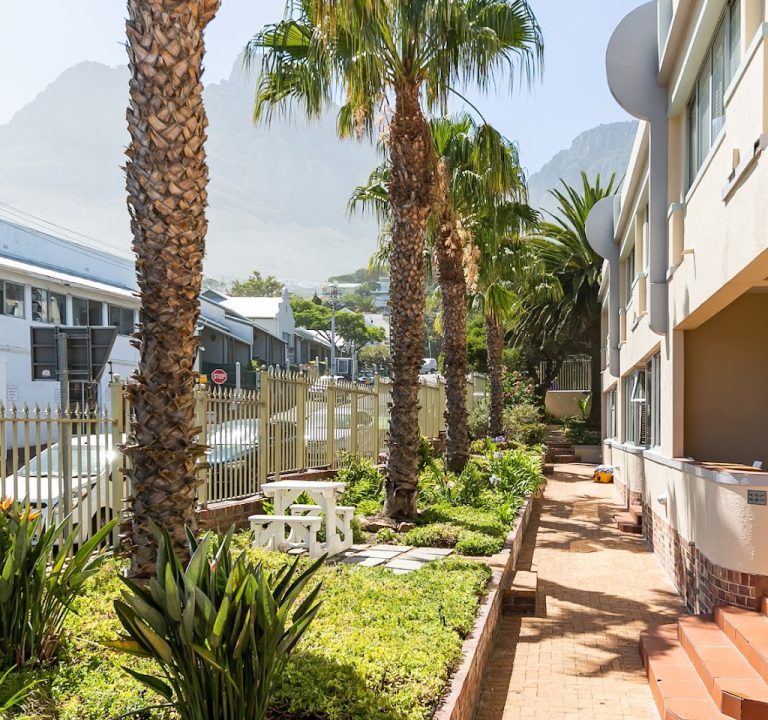
One notable option within Cape Town is Atholl House, a guest house that offers a personal, homely stay within a convenient radius of key sights. Its site provides further details on room types, breakfast choices, and nearby conveniences, and can help you plan day trips or guided experiences. See more at Atholl House.
When it comes to attractions, you’ll find a balance between natural wonders and cultural heritage. Iconic viewpoints offer panoramic city and ocean vistas, while hiking routes reveal the flora and geology of the region. Within the city, museums, markets, and the bustling waterfront area provide enriching day experiences. Dining in Cape Town ranges from informal cafés to refined restaurants celebrating seafood and local produce, with many establishments offering seasonal menus and a sense of place through décor and service. If you’re planning a balanced itinerary, aim to pair outdoor mornings with relaxed afternoons in cafés or seaside strolls, followed by a restaurant evening that captures the flavours of the region without losing the sense of place.