Accommodation and Experiences in Cape Town: Plan Your Stay in the Western Cape
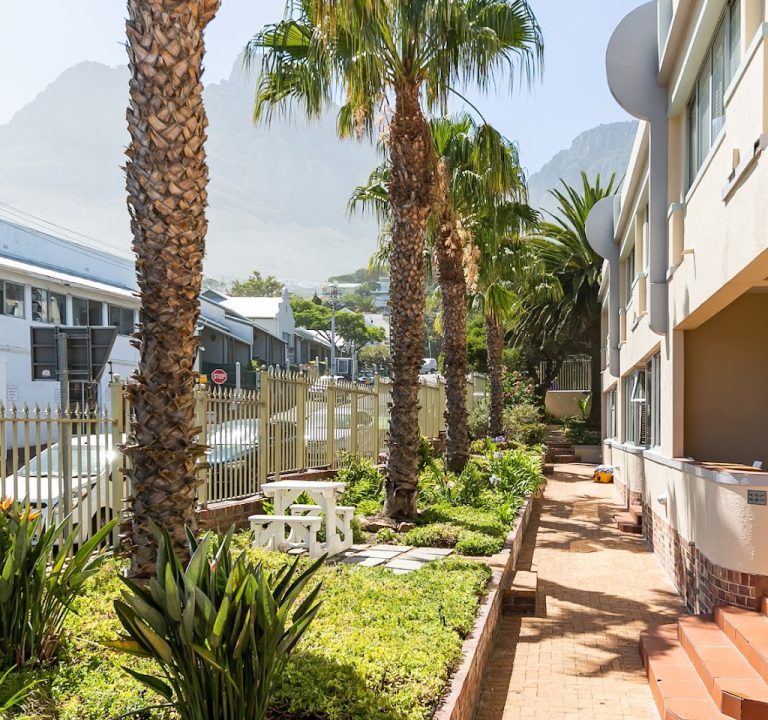
Cape Town is a city of contrasts, where sun-drenched beaches meet dramatic mountains and vibrant neighbourhoods. For visitors, choosing where to stay can shape the whole experience. The city offers a range of options from stylish guest houses to family-run bed-and-breakfasts, boutique hotels and self-catering apartments. One well-regarded option within the guest house category is Number Two Camps Bay, known for its scenic location and easy access to the Atlantic coastline. When planning, think about what you want most from your visit—beach time, city exploration, wine country, or a bit of everything—and let that guide your choice of district and style of accommodation.
Areas to consider include:
- City Bowl and the inner city: Close to museums, markets, and the historic Company’s Garden, with easy access to public transport and a lively restaurant scene.
- V&A Waterfront and the harbour areas: A hub of dining and activities, with convenient links to key attractions and ferries to Robben Island.
- Camps Bay and Clifton: Sunset views, sandy beaches, and a more relaxed, resort-like atmosphere; great for those who prioritise coastal scenery.
- Constantia or Hout Bay: Quieter residential neighbourhoods ideal for travellers seeking gardens, winelands day trips, and a slower pace.
- Green Point and Sea Point: A mix of seafront promenades, cafes and easy transit to the city centre.
When booking, look for a few practical features that can make a big difference. A comfortable bed with good linen, reliable heating or air-conditioning for year-round comfort, and well-equipped self-catering facilities if you prefer flexibility. Small touches such as a well-functioning Wi‑Fi connection, a well-equipped kitchenette, access to a private balcony or terrace, and secure parking can elevate a stay significantly. If you are travelling with family or a group, check layout options (en-suite bathrooms, separate bedrooms, or living spaces) to avoid squeezing everyone into a tight configuration.
Transport in Cape Town is generally straightforward, though you’ll move at a different pace depending on your chosen area. The MyCiTi bus network offers convenient city routes and links to outer areas, while Uber and other ride-hailing services are widely used. If you plan day trips to the Cape Winelands or the Cape peninsula’s scenic routes, hiring a car is convenient, though some travellers prefer guided tours to maximise time and minimise navigation. Some guest houses situate themselves near major routes or close to tram or bus stops, which can be a helpful compromise between independence and ease of travel.
Facilities and amenities commonly found in Cape Town accommodation include private or shared terraces with panoramic views, swimming pools, and gardens, as well as access to kitchens or breakfast services. In guest houses, hosts often provide local insights—ranging from the best sunset spots to top-value eateries and markets, plus practical tips for navigating the city’s hills and traffic. If you have dietary preferences or need accessibility considerations, it’s worth confirming these in advance to avoid last-minute surprises.
The best time to visit Cape Town depends on what you want from your trip. For beach days and outdoor activities, late spring to early autumn (September to April) offers pleasant weather, longer days, and a lively outdoor scene. Summer can be busy, with higher hotel rates, but it also brings a bustling atmosphere and many events. Autumn and winter are quieter in the city, with cooler, more temperate conditions suitable for wine tasting in Constantia, museum hopping, and scenic drives along the coast. Pack layers, sun protection, and a light waterproof layer for changeable weather conditions, particularly along the Atlantic Seaboard where winds can be brisk.
Activities to plan beyond your accommodation include exploring Table Mountain’s cableway or hiking trails, visiting modern art spaces and historic sites, and strolling markets that showcase local crafts and foods. The city’s culinary scene is diverse—expect stylish restaurants and casual eateries alike, with a focus on fresh seafood, South African flavours, and global influences. In heavily touristed areas, dining options range from contemporary eateries to informal spots with relaxed atmospheres. When choosing restaurants, consider early seating for more relaxed dining experiences or later reservations if you want a lively ambience after sunset.
Practical tips to help you plan a smoother stay:
- Book accommodation with a clear cancellation policy, especially if your plans may shift.
- Assess proximity to your preferred activities and public transport to reduce daily commute times.
- Confirm any included breakfast or self-catering arrangements to align with your daily schedule.
- Check for security features, such as gated access or 24-hour reception, particularly if staying in busy areas.
- Consider travel insurance that covers weather-related delays or cancellations for peace of mind.
Cape Town is a destination that rewards varied itineraries and curious travellers. By selecting an area that aligns with your priorities, understanding the practicalities of transport, and balancing indoor comfort with outdoor adventures, you can craft a memorable stay that highlights the best of the Western Cape’s landscapes, culture, and hospitality. For planning inspiration and practical information, you can start with official tourism resources and trusted accommodation providers online.