Gqeberha: where to stay, what to do, and how to plan a comfortable visit
Nestled along the Eastern Cape coast, Gqeberha (Port Elizabeth) offers a blend of sandy beaches, wildlife experiences, and a thriving urban scene. When planning a stay, travellers commonly weigh neighbourhoods by distance to the shore, access to transport, and the character of the area. The city is well suited to a mix of stays, from seaside apartments in Summerstrand and Humewood to stylish guesthouses in the leafy lanes of Richmond Hill and convenient, well-connected hotels nearer the CBD. For families, business travellers, or couples seeking a quieter base, there are options that pair practical features with Atlantic breezes and easy access to daylight activities.
Key areas to consider include:
- Summerstrand and Humewood: coveted for direct beach access, slower-paced mornings, and proximity to family-friendly attractions. This area often offers self‑catering suites and hotels with sea views, plus reliable parking and on-site leisure facilities.
- Richmond Hill: a historic, artsy quarter with boutique guesthouses, cafés, and a compact, walkable footprint. Excellent for travellers who enjoy a village-like feel, local eateries, and a shorter stroll to galleries or markets.
- Central/Portfolio Area: good for visitors who want quick access to business facilities, dining options, and city-life energy. Look for modern hotels or well-appointed B&Bs with easy routes to the harbour and tour departures.
- Walmer and neighbouring suburbs: practical for travellers who prioritise affordable stays, convenient highway access, and quieter streets while remaining within easy reach of the beach and attractions.
When choosing accommodation, focus on what will best support your plans. If your days will be spent on the coast or at nature reserves, a place with secure parking, reliable wi‑fi, and a balcony or garden can transform experiences after sunset. If you’ll be exploring by car, confirm on-site parking or easy street-loading options. For walkers and cyclists, a location near safe pedestrian routes, cycle lanes, and well‑lit streets adds convenience and peace of mind. Consider whether you prefer a self‑catering option, a full-service hotel, or a guesthouse with breakfast; many properties offer flexible add-ons to tailor a stay to your itinerary.
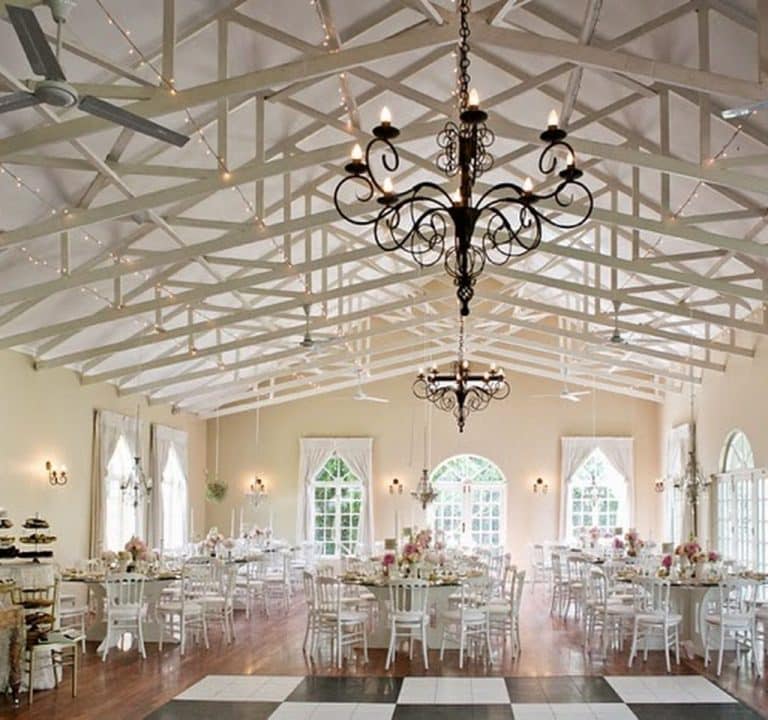
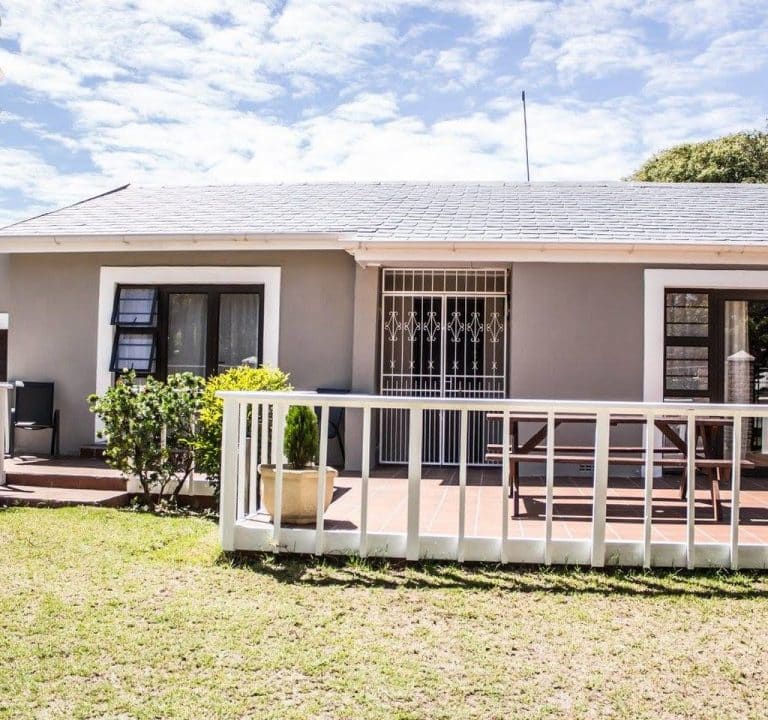
Typical amenities to expect include comfortable beds with quality linens, a well-equipped kitchenette or in-room tea and coffee provisions, climate control, and secure access. Dining options at or near accommodation are a plus, as are facilities such as laundry services, luggage storage, and guest lounges. If you’re visiting in peak season, it’s wise to look for properties with air conditioning or ceiling fans, as summers can be warm. Some self-contained units may offer balconies, patios or outdoor seating to enjoy the sea air. For families or longer trips, a multi-room configuration and space to unwind after day trips can be a real bonus.
Transport in Gqeberha is well served by a mix of private hire, taxis, and ride-hailing services, with car hire a sensible option for exploring beyond the city limits. If you’re not renting a vehicle, prioritise accommodation close to main bus routes, taxi stands, or near waterfront strolls where you can easily join guided tours or day trips. The city is a gateway to remarkable day excursions, including coastal scenery along the shore, wildlife encounters at nearby reserves, and the possibility of a short drive to Addo Elephant National Park. Even without specific names, it’s straightforward to organise a guided tour from many hotels or guesthouses, or to arrange a rental car for independent exploration.
The best time to visit Gqeberha hinges on your tolerance for crowds and your outdoor plans. Summer months deliver warm seas and long days, making beach time and waterfront walks especially appealing. Spring brings pleasant temperatures and lush landscapes, while autumn can offer clear skies and comfortable sightseeing weather. Winter, though cooler and occasionally windy, can be a good time to find quieter streets and lower rates. If your visit centres on wildlife drives or nature experiences, early mornings or late afternoons are ideal for cooler temperatures and more active wildlife.
Practical tips to make the most of a stay:
- Book accommodation with flexible cancellation policies, especially if your plans may change.
- Check proximity to the beach and promenade if you want easy access to coastal strolls and waterside dining.
- Ask about on-site parking, security, and lighting for evenings out, particularly in busier parts of the city.
- Confirm wi‑fi reliability and whether there are workspaces or dining areas suitable for business trips.
- Plan day trips in advance where possible, but leave some spontaneity for market days or seasonal events.
- Pack reef-friendly sun protection, comfortable walking shoes, and a light rain layer for seaside microclimates.
When it comes to attractions and experiences, Gqeberha offers a coastal atmosphere, wildlife encounters nearby, and a growing dining scene that emphasises fresh seafood and regional flavours. Expect museums and viewpoints that contextualise the city’s maritime heritage, pleasant coastal paths, and markets where you can sample local produce and crafts. For planning resources, you can visit official tourism pages to tailor your stay to your interests, and many local operators provide guidance on day trips, transport options, and places to eat that suit various tastes and budgets. For more information on visiting Gqeberha, you can explore local tourism resources at Gqeberha tourism.