Queenstown, Eastern Cape: Accommodation and Visitor Guide for a Well‑Balanced Stay
Queenstown in the Eastern Cape blends warm hospitality with dramatic landscapes, making it a practical base for travellers exploring the surrounding hills, rivers, and reserves. Whether you favour self‑catering comfort, intimate B&Bs, or a small lodge with friendly service, the town offers several options that can suit varied itineraries and budgets. When planning a stay, consider not only where you sleep, but how you move around, what you want to see each day, and how your accommodation can help you make the most of the area’s slow‑paced charm and outdoor opportunities.
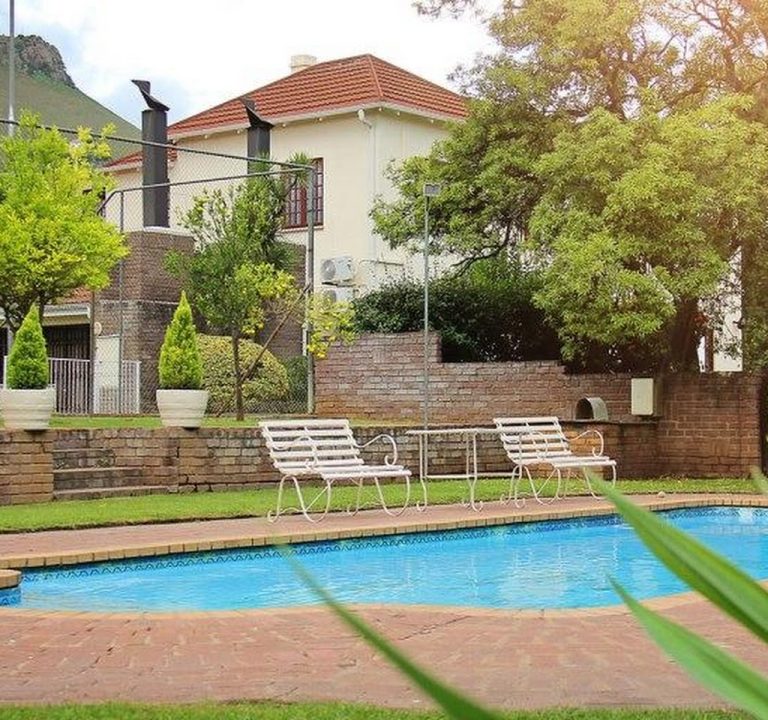
Areas to consider when choosing where to stay. The town centre and nearby suburbs are convenient for access to shops, eateries, and markets, with most guesthouses and hotels within easy reach of main streets. If you prefer a quieter ambience, look for lodges or self‑catering apartments on the outskirts, where you can wake to birdsong and broad countryside views. For a touch of modern comfort, purpose‑built self‑catering properties or well‑appointed guesthouses often blend contemporary facilities with local character. When booking, note the distance to the town centre, to key attractions, and to the main routes you will use for day trips.
Typical amenities and what to look for. When you book accommodation in Queenstown, common features include en‑suite bathrooms, reliable Wi‑Fi, secure parking, and well‑equipped kitchens or tea‑making facilities. Many guesthouses provide daily housekeeping or continental breakfast options, while self‑catering apartment complexes offer more independence for longer stays. A comfortable bed, good insulation, and thoughtful touches such as a heater or fan are important for the climate variability of the region. If you plan outdoor activities, check whether the property offers facilities such as laundry, drying spaces for hiking gear, and trouser presses or ironing facilities. Accessibility is another consideration; if stairs or uneven paths would be challenging, look for ground‑floor rooms or properties with lift access.
Transport and getting around. Queenstown itself is compact enough for easy exploration on foot, particularly the town centre and neighbouring suburbs. For day trips into the surrounding countryside, a rental car is the most flexible option, especially if you want to explore hill trails, viewpoints, or rural villages at your own pace. Bus services and organised tours can provide alternatives if you prefer not to drive. If you are arriving from larger centres, plan your route ahead of time since public transport options can be limited in more rural sections of the Eastern Cape. Let your host know your preferred arrival time; many accommodation providers are happy to share practical directions and parking arrangements.
Best time to visit and practical planning tips. The Eastern Cape experiences a varied climate, with warmer, longer days in the southern hemisphere’s spring and summer. Late spring through early autumn is popular for outdoor activities, with comfortable temperatures for hiking, scenic drives, and riverside walks. Winter (June to August) can be cooler, and while certain outdoor activities may be less intense, it is still possible to enjoy starlit skies and cosy evenings indoors with a fireplace or good heating. Pack layers, a waterproof jacket for sudden showers, comfortable walking shoes, and sun protection for midday exposure. If you plan to visit natural areas or reserves, check seasonal road conditions and any entry requirements before you set out. Booking ahead is wise in peak periods, particularly for self‑catering properties with strict check‑in times or guesthouses that offer breakfast inclusions.
Experiences to consider during a stay. Queenstown is a gateway for exploring the broader Amathole region and nearby rural landscapes. Depending on your interests, you can arrange scenic drives through rolling countryside, riverside strolls, or short, well‑graded walks with informative viewpoints. Local culture and history can be discovered through small museums, heritage sites, and village stops along the way. In terms of dining, you’ll find a range of eateries in the town that offer home‑style cooking, grilled fare, light lunches, and coffee culture. When you want to dine out, look for venues that source local ingredients and provide a warm, friendly atmosphere rather than aiming for formality. If you prefer cooking, a self‑catering option with a well‑equipped kitchen makes it easy to prepare a simple meal after a day of exploring.
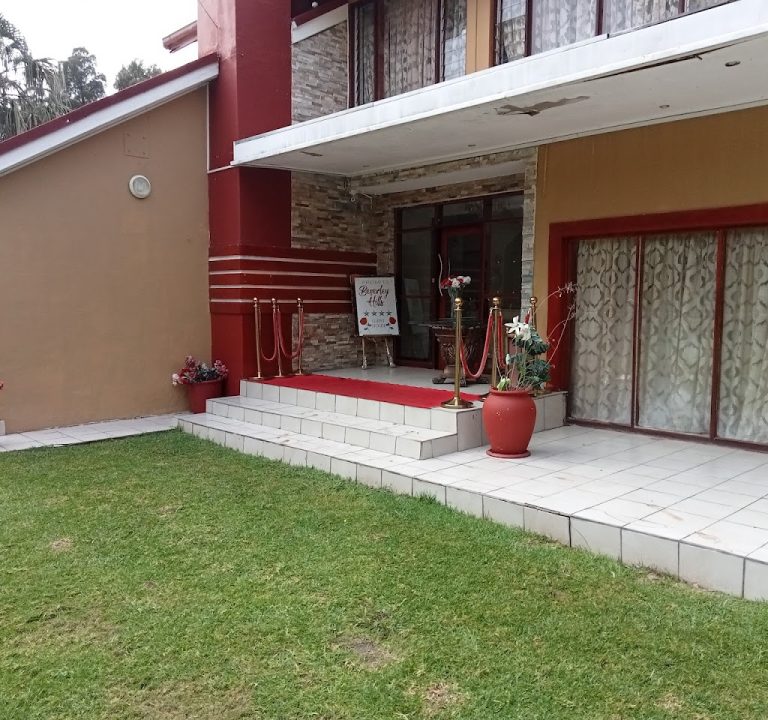
Accommodation suggestion. A range of properties in Queenstown caters to different styles and needs. For example, a luxury self‑catering option such as Apart‑mint Luxury Self Catering Accommodation can offer spacious living areas, modern kitchens, and private terraces or garden spaces, suited to couples or families seeking independence with a touch of convenience. When selecting a property, read recent guest reviews for insights into heat and sound insulation, the reliability of appliances, and the responsiveness of hosts or managers. Look for clear cancellation policies and transparent housekeeping arrangements so you can plan with confidence.
Practical tips for a relaxed stay.
- Book central or well‑connected accommodation if you want easy access to stores, cafes, and local services.
- Choose a place with secure parking if you plan to hire a car.
- Ask about self‑catering facilities or breakfast options to match your daily routine.
- Confirm check‑in times and whether late arrivals can be accommodated.
- Plan a mix of light day walks and longer drives to comfortably cover what the area offers.
In summary, Queenstown provides a pleasant balance of accessibility, natural beauty, and genuine hospitality. Pick a base that aligns with your preferred pace—whether you want the convenience of a town centre stay, or the tranquillity of a hillside retreat—and you’ll be well placed to enjoy the region’s landscapes, simple pleasures, and welcoming local culture. For more information and planning ideas, explore the town’s visitor resources and the websites of the accommodation you are considering, which can offer practical details and current recommendations for your stay.