Cape Town: A Guide to Accommodation, Attractions and Planning Your Stay
Cape Town, framed by dramatic mountains and a glittering coastline, offers a diverse range of places to stay and experiences to suit every traveler's rhythm. From stylish guest houses in leafy neighbourhoods to contemporary self‑catering studios with sea views, there are options to fit a variety of budgets and trip lengths. When choosing where to stay, think about what you want to access on foot, by public transport or by car, and how you plan to spend your days in the city and its surrounds.
Neighbourhoods to consider include the City Bowl for easy access to museums, cafés and nightlife; the Atlantic Seaboard for coastal walks, beaches and spectacular sunsets; Constantia for wine routes and green hills; and the Cape Flats and southern suburbs for a quieter pace and easy routes to the Cape Peninsula. If you prefer a truly local feel with strong cultural influences, areas such as Bo-Kaap offer distinctive architecture and viewpoints, while the V&A Waterfront remains a popular arrival point for many visitors looking for a central base with shops, dining and easy links to attractions.
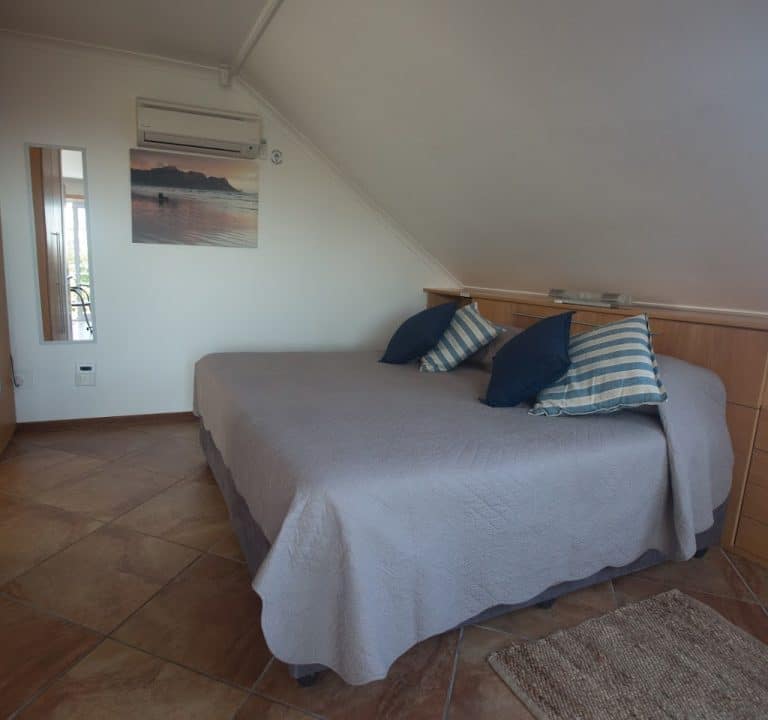
When booking accommodation, look for practical amenities that will ease your stay. Key features include reliable Wi‑Fi, private or en‑suite bathrooms, air conditioning or heating for variable coastal weather, secure parking if you are exploring by car, and clear policies on cancellability. For longer visits or a home‑from‑home experience, self‑catering options, including studios and small apartments, can be especially convenient. For example, guest houses and self‑catering studios often provide well-equipped kitchens, flexible living spaces and on‑site hosts who can share local tips. A management style that emphasises guest comfort, daily housekeeping, and transparent information about amenities can make a stay smoother from arrival to checkout.
Transport in Cape Town is well served by a mix of public and private options. The MyCiTi bus network covers many urban corridors and is often the most economical way to travel between key areas. Ride‑hailing services are widely available and convenient for evenings or travel to more distant sights. If you plan to visit the Cape Peninsula or winelands, renting a car gives you maximum flexibility to set your own timetable. When planning routes, allow for coastal traffic at peak times and be mindful that shoulder seasons can offer more comfortable weather and fewer crowds at popular attractions.
The best time to visit Cape Town depends on your priorities. Summer (November to February) is warm and lively, ideal for beach days and outdoor activities, while autumn (March to May) brings mild weather and quieter streets. Winter (June to August) is cooler and wetter, which can be perfect for lush gardens and city strolls with fewer crowds. Spring (September to October) offers a balance of pleasant temperatures and blooming landscapes. Packing a light layer for evenings by the sea, sun protection for daytime exploration and suitable footwear for uneven city surfaces will help you enjoy a comfortable stay year‑round.
In addition to your base, plan at least a couple of key experiences that showcase the region’s character. Outdoor options include cable car rides up iconic peaks, coastal walks including rugged headlands, and nature reserves with spectacular views. Cultural and historical highlights often revolve around museums, township tours, and scenic drives that showcase Cape Town’s diverse heritage. For dining, Cape Town’s restaurant scene ranges from casual cafés with fresh, seasonal menus to refined eateries focusing on local produce and seafood. Many locations offer straightforward menus with vegetarian or seafood options, and it’s common to find vibrant markets and street food corners that capture the city’s flavourful energy.
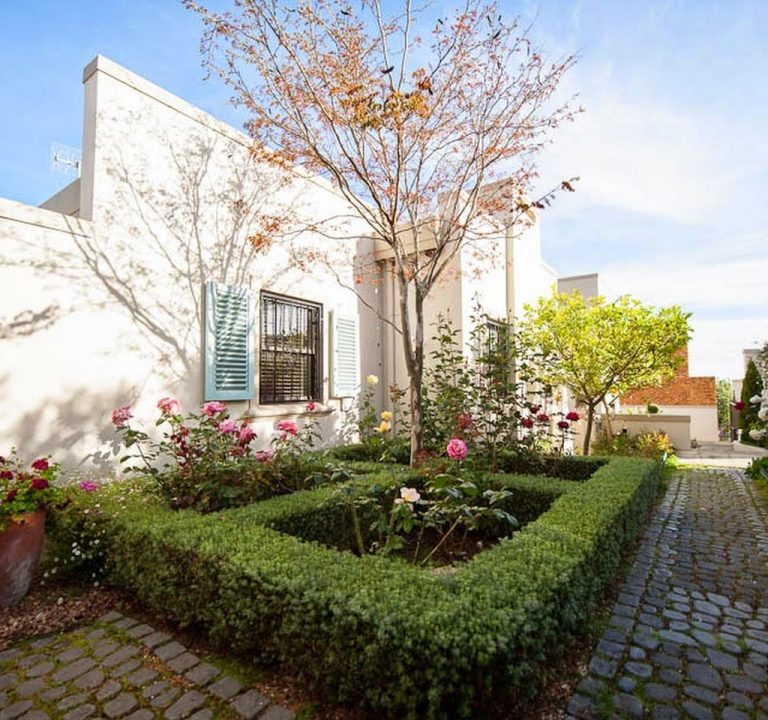
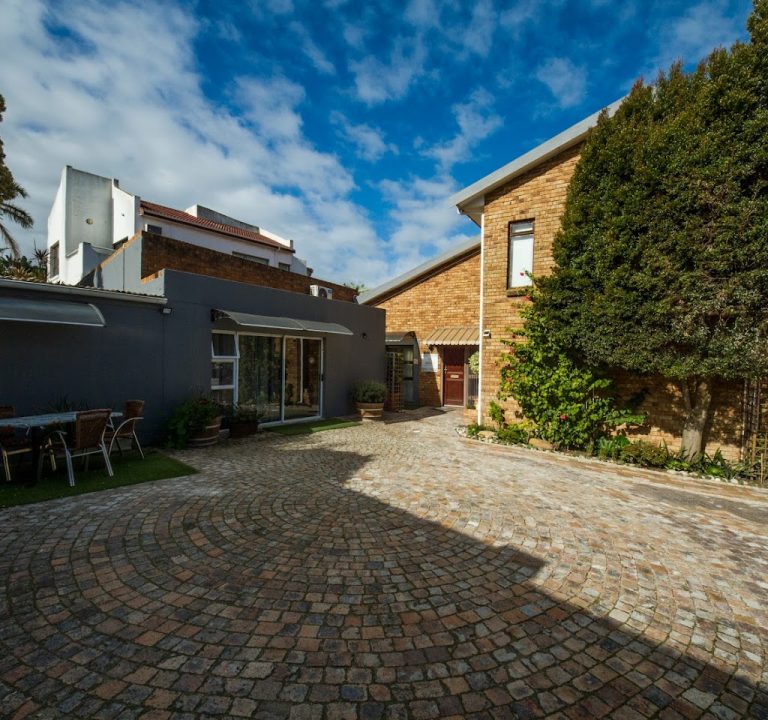
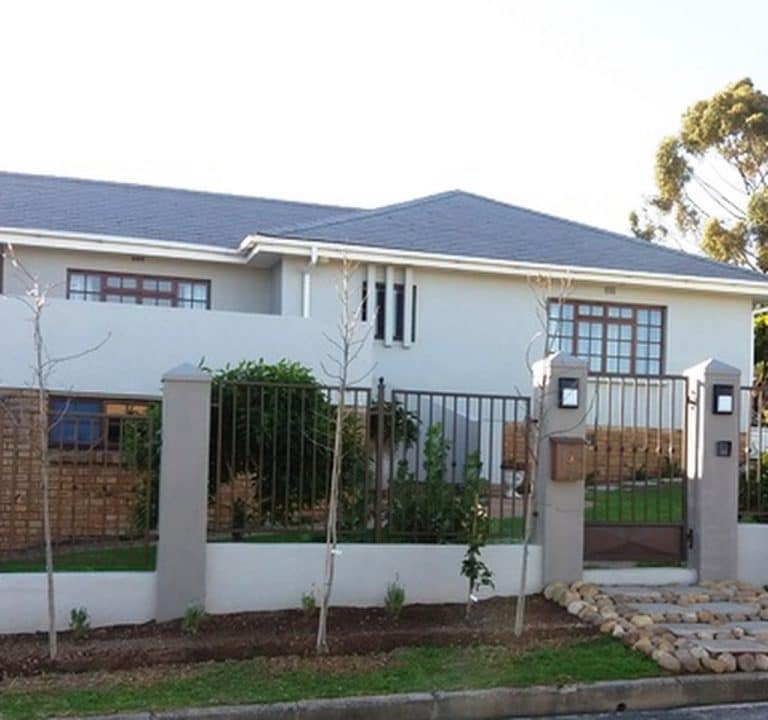
Accommodation providers in Cape Town often offer a sense of place that mirrors the neighbourhood. A guest house or self‑catering studio like Andante Self Catering Studio can provide a compact, well‑appointed space with a personalised touch, as well as easy access to surrounding sights. For more information on similar stays, you can visit their website: Andante Self Catering Studio.
- Areas to consider: City Bowl, the Atlantic Seaboard, Camps Bay and Clifton for beaches and views, Constantia for wine routes, and the southern suburbs for quieter streets and green spaces.
- Booking tips: compare cancellation terms, check for parking and security, confirm kitchen facilities if you plan to self‑c organise meals, and read recent guest reviews for honesty about noise, proximity to transport, and cleanliness.
- Amenities to prioritise: reliable Wi‑Fi, en‑suite bathrooms, air conditioning or heating, on‑site parking, self‑catering facilities, and accessibility features if needed.
- Travel tips: plan transport between the city and peninsula, consider a mix of walking and public transport to discover hidden streets, and keep a day’s flexibility for weather changes or unplanned discoveries.
- Practical considerations: safety and personal belongings, water‑safety near coastal locations, and climate‑appropriate clothing for cooler evenings and breezy coastal walks.
Whether you are drawn to a stylish boutique guest house, a family‑run self‑catering studio, or a contemporary apartment with sea views, Cape Town rewards travellers who balance robust planning with openness to spontaneous discoveries. With thoughtful accommodation choices and a plan that blends natural beauty, world‑class dining and rich culture, your stay in the Western Cape’s stunning city will be both comfortable and unforgettable.