Accommodation and Experiences in Plettenberg Bay, Western Cape
Plettenberg Bay, or “Plett” as it’s affectionately known, is a coastal gateway on the spectacular Garden Route. The town offers a spectrum of places to stay, from intimate B&Bs and guesthouses to design-forward lodges and family-friendly hotels. Planning a visit here benefits from thinking about the surrounding neighbourhoods, your preferred pace of travel, and how you’ll move around to explore beaches, forests, and soundscape-rich coastal paths.
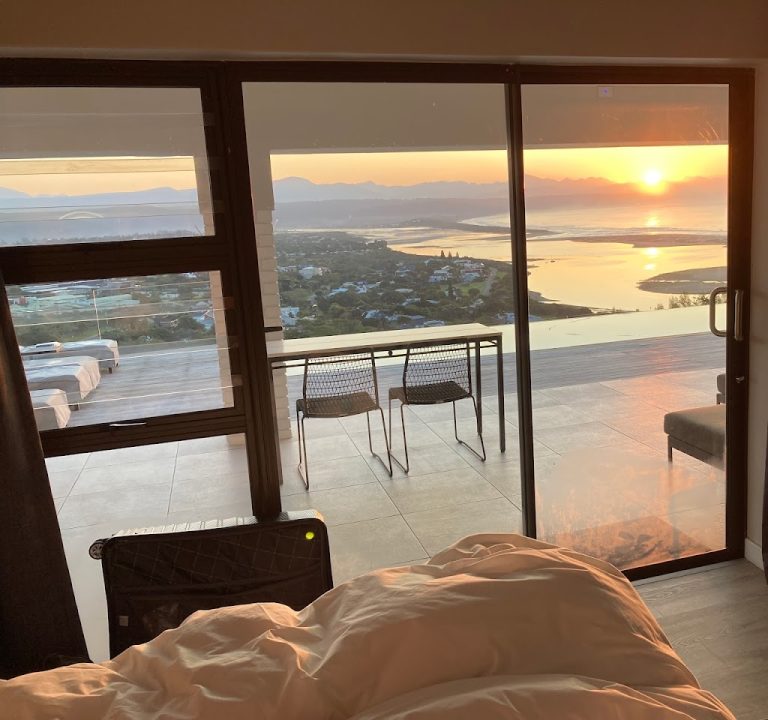
Areas to consider when booking include the central township near the main beaches, the slightly more laid‑back satellite neighbourhoods inland, and the hillside routes that offer sweeping views over the bay. The central area is ideal if you want to be within walking distance of shops, cafés, and essentials, while the hillside or coastal-edge options tend to deliver a sense of quiet and vistas, often with private outdoor spaces or terraces. If you’re travelling with family or a group, many guesthouses and lodges are able to arrange interconnecting rooms or larger suites to suit different needs.
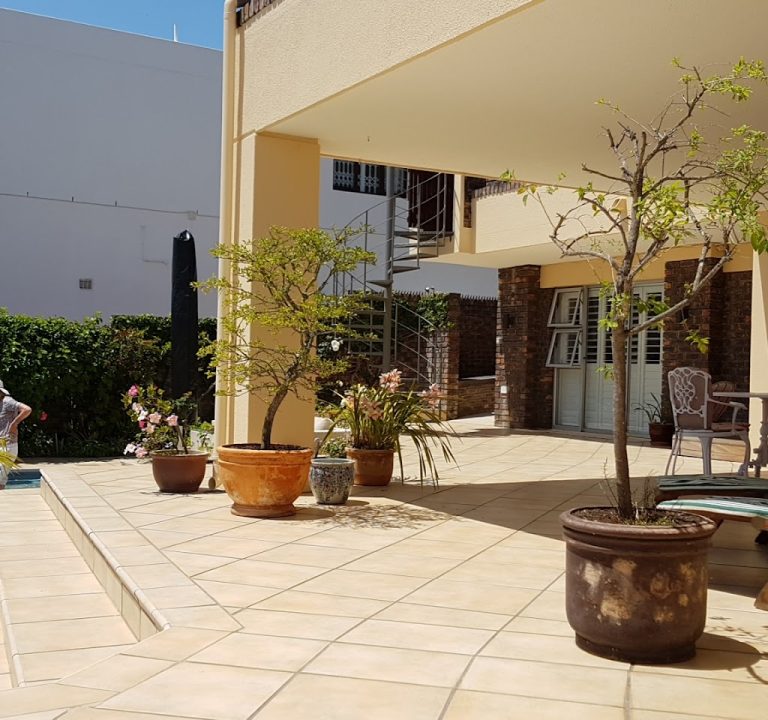
Typical amenities you may encounter include private or en‑suite bathrooms, secure parking, complimentary Wi‑Fi, and generous breakfasts prepared with local produce. Some properties offer restorative touches such as outdoor pools, sun decks, garden seating, or braai facilities. For guests who want more convenience, several lodges and B&Bs provide transport arrangements or help with planning day trips along the coast and into nearby nature reserves. It’s worth noting how each property handles accessibility, late arrivals, and guest services, as small details can make a big difference to a relaxed stay.
When planning your itinerary, consider how you’ll get around. Plettenberg Bay is a town best explored by car or organised tour, especially if you want to reach more remote beaches or forest trails. Some accommodation providers can arrange airport transfers from George (the nearest commercial airport) and can assist with private drivers or recommended taxi services. If you prefer not to drive, look for properties near the beachfront or village core where short walks will bring you to restaurants and shops, with easy access to scenic viewpoints or short scenic trails.
Best time to visit Plettenberg Bay is influenced by weather and school holidays. The peak summer months bring longer days and busy beaches, while spring and autumn offer milder temperatures and calmer seas for coastal walks and nature activities. Winter visitors often find quieter streets and lower rates, but be prepared for cooler evenings and occasional rain. For wildlife and nature lovers, the spring and autumn shoulder seasons can present good conditions for outdoor excursions without the highest crowds.
Booking tips to help you choose wisely:
- Read guest reviews to understand the reliability of service, the consistency of breakfasts, and how well the property handles peak-season demand.
- Check the exact location relative to beaches and viewpoints, and clarify access to private parking or parking restrictions if you plan to hire a car.
- Confirm breakfast style and timing, as some places offer flexible start times or alternative options for dietary needs.
- Ask about on-site facilities such as pools, outdoor seating, or barbecue areas, particularly if you are travelling with children or want a relaxed evening in.
- Verify cancellation policies and deposit requirements well in advance, especially for peak periods or weekend stays.
Among accommodation options, you may come across a range of experiences designed to complement a visitor’s schedule. For example, one example in Plettenberg Bay is Amaza Luxury B&B, which represents a refined bed & breakfast experience within the area. As with all stays, you’ll want to align your choice with your planned activities—whether that means easy beach access for daily swims, private decks for late-summer sunbathing, or proximity to forest trails for early-morning hikes.
When selecting where to dine, expect a mix of casual beachfront cafés, family-friendly eateries, and more polished dining rooms that celebrate fresh, local seafood and seasonal produce. Plettenberg Bay is known for a relaxed, outdoors-oriented dining culture, so you’ll often find menus that encourage sharing plates, long lunches, and sunset drinks with sea views. If you’re half-thinking about a glass of wine or a craft beer, several venues offer terrace seating and live music on weekend evenings, especially in the busier months.
Other experiences that enrich a stay in Plettenberg Bay include nature walks in neighbouring reserves, boat trips to observe marine life, and recommendations for guided hikes through coastal forests. While a lot of details depend on the season and operator availability, planning a mix of beach days, light hiking, and relaxed meals makes for a balanced itinerary.
Finally, practical tips: pack light layers for the coastal climate, bring sun protection and a reusable water bottle for long days outdoors, and check tides and weather if you’re planning sea activities. Booking a home base with flexible breakfast options and good local knowledge can be the most valuable resource, helping you tailor daily plans to the conditions and your interests. With careful planning, Plettenberg Bay offers a warm welcome, comfortable accommodation, and a springboard to the natural and culinary delights of the Western Cape.
For further inspiration and a sense of current options, you may wish to explore general tourist information and accommodation directories online, which can help you compare locations, read recent guest reviews, and weigh transport and activity options before you book.