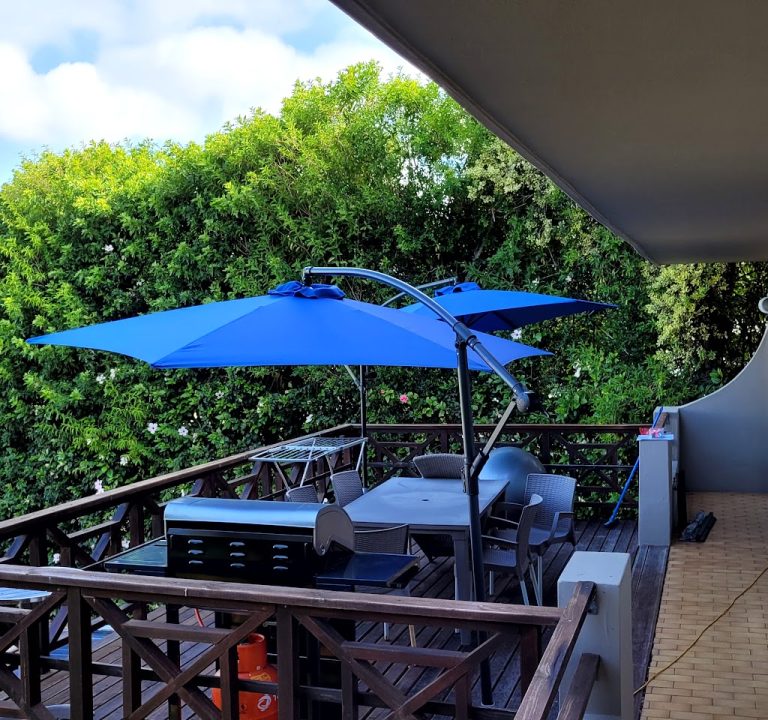
Plettenberg Bay: Where Comfort Meets a Colourful Coastal Experience
Plettenberg Bay, on the Garden Route of South Africa’s Western Cape, offers a refined blend of Atlantic seaside charm, outdoor adventures and well‑appointed places to stay. Whether you seek a cosy B&B close to the beach, a boutique lodge with expansive views, or a family‑friendly apartment in town, the area provides options to suit different itineraries and budgets. Planning a stay here means weighing location, style and access to both nature and civilisation, so you can make the most of each day’s light and scenery.
Areas to consider when booking
Plettenberg Bay spans several distinct neighbourhoods, each with its own character. The town centre puts you within easy reach of shops, cafes and beaches, ideal for those who want to stroll to meals and activities. Southern and central bays are popular for direct beach access, while the hills and escarpment overlookers offer tranquil, panoramic outlooks and quiet, leafy streets. For longer stays, consider a lodge or guesthouse perched a little away from the shore—these often deliver a sense of space, garden greenery and a touch more privacy, with occasional shuttle or arranged transport options available from hosts or guesthouses.
What to look for when booking
- Proximity to the beach and to the town centre for convenience with children or public transport.
- Outdoor spaces: balconies, verandas or gardens that invite fresh air and views.
- Room configuration and privacy, especially for groups or families.
- Facilities such as free parking, reliable wi‑fi, hot water pressure, and security features.
- Inclusive amenities: breakfast options, tea and coffee facilities, laundry services, and access to kitchenettes if you prefer self‑catering.
- Sustainable practices and local staff engagement can enhance your stay and support the community.
Typical accommodations and amenities
In Plettenberg Bay, you’ll find a spectrum of lodges and guesthouses that range from rustic‑chic to modern‑luxury. Expect well‑appointed bedrooms with comfortable bedding, en‑suite bathrooms, and a generous dose of natural light. Many venues offer outdoor decks or patios for al fresco dining, plus garden or pool areas where you can unwind after day trips. Common extras might include a full or continental breakfast, in‑room teas and coffees, free Wi‑Fi, and on‑site parking. Some properties arrange guided activities, spa services, or in‑house dining experiences, while others partner with nearby operators for activities such as birdwatching, nature trails, or wine tours.
Transport and getting around
While Plettenberg Bay is a scenic hub, some activities and beaches are best reached by car. If you’re staying in or near the town, you may choose a walkable base, but for wider exploration it’s useful to have access to a vehicle. Local taxis and ride‑hailing options are available, and several guesthouses can arrange transfers to and from airports or rail stations. For those who wish to travel under their own steam, bike rental and day‑tour services are often available, and many lodges provide private transfer arrangements to popular beaches or viewpoints.
The best time to visit and practical planning tips
The Plettenberg Bay area enjoys a mild climate, with warm summers and cooler nights. Peak visitor months tend to be December through February, when schools are on holiday and coastal events draw crowds. If you prefer quieter periods with more relaxed beaches and easier restaurant bookings, consider shoulder seasons in spring and autumn, when the days are still sunny and the sea remains welcoming. Pack a light, layered wardrobe: mornings and evenings can be cooler, while daytime temperatures may rise quickly, especially along the coast. A light rain jacket is handy for the occasional scirocco or sea breeze. Sunscreen and hats are essentials for day trips, particularly if you plan to spend time on oceanfront trails or ferry launches to nearby islands or nature reserves.
Attractions and activities (general terms)
Plettenberg Bay is well placed for a mix of nature‑driven activities and cultural or culinary experiences. Beaches offer safe swimming and sandy stretches for families, while nature reserves and viewpoints provide sweeping vistas of the harbour, the rock shelves and the distant hills. Outdoor enthusiasts may enjoy scenic coastal walks, boat trips, and whale or dolphin watching seasons when wildlife is most active. For those who enjoy gastronomy, the area’s dining scene ranges from classic bistro fare to contemporary gastronomy, with opportunities to sample fresh seafood and farm‑to‑table dishes in relaxed settings. Visitors can also explore nearby towns and markets, or join guided tours that highlight the region’s biodiversity, conservation efforts and local crafts.
Practical planning tips for a satisfying stay
- Book early if you’re travelling in peak season, especially for family stays and private lodges.
- Check the cancellation terms and what’s included in your rate, such as breakfast, parking, or guided activities.
- Ask hosts about shuttle services, parking availability and access to beaches with facilities (changing rooms, toilets, showers).
- Consider an itinerary that balances beach days with nature excursions and a rest day to enjoy your accommodation’s grounds.
- Review safety and health tips for outdoor activities, especially if exploring nature trails or water‑based activities.
Plan a stay that suits your pace and interests, and Plettenberg Bay rewards you with a relaxed coastal ambience, coupled with convenient access to the Garden Route’s scenic highlights. For more ideas and booking options, you can start with official tourism pages or reputable travel sites that showcase a range of lodges, guesthouses and self‑catering apartments in and around Plettenberg Bay.