Cape Town: Accommodation, attractions and practical tips for a memorable stay
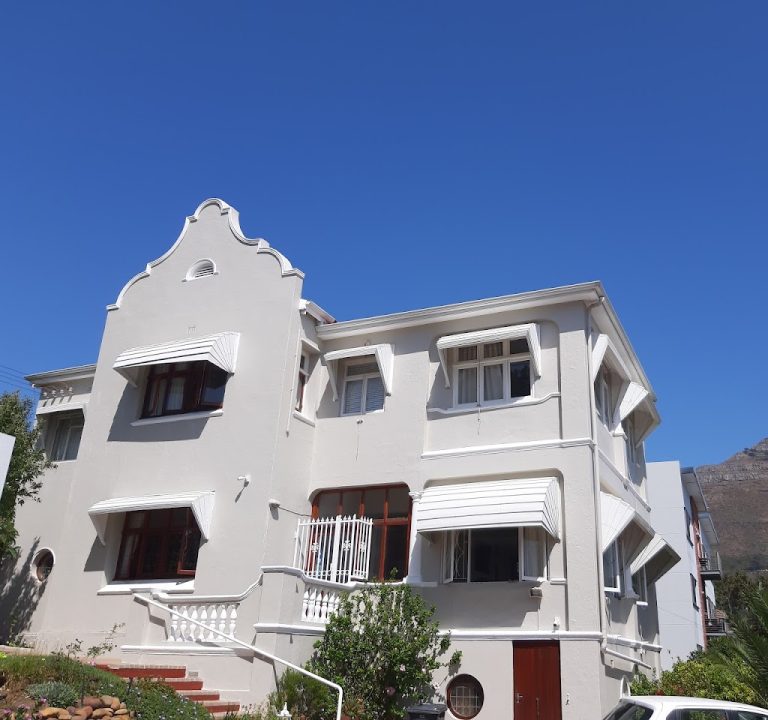
Cape Town in the Western Cape is a diverse destination where mountains meet the sea, cosmopolitan streets sit alongside rugged coastlines, and a warm, welcoming hospitality scene ranges from boutique guest houses to stylish lodges. For travellers seeking comfort with character, places such as guest houses and small boutique hotels provide a personalised experience that blends with the city’s natural beauty and cultural richness. Alta Bay, a guest house experience well suited to travellers who value a homely ambience and proximity to coastal views, is one example of the intimate stay options available in the area.
Choosing where to stay in Cape Town often comes down to what you want to access most. The Atlantic Seaboard and Green Point offer easy access to beaches, promenades, and contemporary dining, while the City Bowl places you near historic streets, markets, and galleries. Constantia and the Southern Suburbs provide a more peaceful, leafy setting with easy access to wine routes and mountain trails. If you’re after iconic scenery, the slopes of Table Mountain and the rolling waves of the Atlantic are never far away, regardless of the neighbourhood you choose.
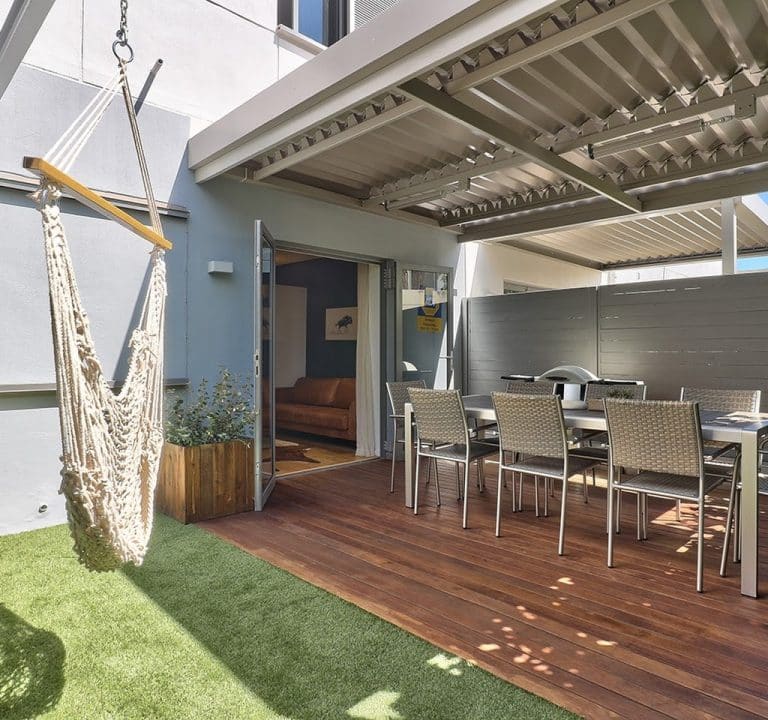
Typical amenities in guest houses and small hotels include comfortable en-suite rooms, Wi-Fi throughout, secure parking, and breakfast either included or available on request. Some properties go further with features such as outdoor terraces, petit gardens, and views over the harbour or Table Mountain. When booking, consider whether you’d prefer a self-contained room, an all-day breakfast, or the chance to socialise at a shared guest lounge. If you’re travelling with family or a group, look for options that offer extra beds or interconnecting rooms, plus flexible cancellation policies during peak seasons.
- Location relative to your planned activities (beach access, mountain trails, city sights)
- Breakfast and other meals (self-catering vs. full board)
- Parking arrangements and security
- Access to public transport or convenient taxi/ride-hailing options
- Ventilation, natural light, and quiet hours
Transport in Cape Town is straightforward but varied. The MyCiTi bus network provides a reliable way to reach many tourist hubs from central districts, while ridesharing services and taxis offer flexibility for a night out or early morning excursions. For those who enjoy the outdoors, a rental car can be convenient to explore more distant sights, such as the Cape Point reserve or the Constantia wine farms, but many visitor areas are well served by public transport and high-quality tour operators. When planning daily itineraries, factor in traffic patterns and mountain weather, which can change quickly and impact travel times.
The best time to visit Cape Town depends on what you want to experience. The summer months (roughly November to February) bring warm, dry weather ideal for beach days and outdoor dining, while spring (September to November) offers blooming gardens and pleasant walking conditions. Autumn (March to May) is often mild with fewer crowds, and the winter period (June to August) brings cooler, rainier weather but also fewer tourists and a different, quieter side of the city. Pack layers, sun protection, a light waterproof layer, and comfortable walking shoes so you can explore Table Mountain’s lower trails, the V&A Waterfront precinct, andCape Town’s gardens and markets with ease.
When selecting accommodation, think about accessibility to attractions and the pace of your stay. If you prefer a lively atmosphere with cafés, markets, and nightlife within easy reach, a village-like neighbourhood near the harbour or the City Bowl can be ideal. If you are seeking tranquillity after busy daytime activities, a guest house tucked into quieter streets or a hillside setting with views may be preferable. Booking in advance during the peak season is advisable, but various shoulder-season periods can offer good value and fewer crowds without compromising on safety and quality.
For activities, Cape Town offers a wide spectrum beyond the Big Three of Table Mountain, Robben Island, and the Cape of Good Hope. Visitors can enjoy scenic coastal walks, harbour cruises, and guided food and wine experiences that explore local markets, neighbourhood eateries, and wine farms. Dining preferences range from casual seafood shacks along the Atlantic coast to refined restaurant concepts in modern quarters. In general terms, look for venues that celebrate seasonal ingredients, provide clear allergen information, and have a welcoming, relaxed atmosphere suitable for travellers.
Practical tips: check whether your accommodation provides a guest lounge or communal areas for meeting other travellers, and confirm Wi-Fi conditions if you need to work remotely. Ensure you have a plan for safe travel at night, keep valuables secure, and be mindful of the city’s varied climate when packing. If you would like more inspiration or practical planning resources, reputable tourism sites and local guest-house associations offer advice on routes, seasonal events, and area-specific insights. Cape Town remains a destination where thoughtful planning, a flexible itinerary, and a sense of discovery combine to create a rewarding stay.