Accommodation and Getting the Most from a Stay in Swellendam, Western Cape
Swellendam sits at the foot of the Langeberg hills, a scenic gateway to the Overberg and a gentle base for exploring the Western Cape’s countryside. The town itself offers a mix of heritage guesthouses, boutique hotels, self-catering cottages and country lodges, many with a warm, family-run touch. When planning a visit, consider how you want to pace your days: a relaxed town centre stay with easy access to cafés and eateries, or a rural retreat on the outskirts that puts you closer to nature and wine farms.
Key areas to consider when booking include the historic core around the Eerste and Tweede Straat precincts, where charming Victorian and Cape Dutch buildings house guesthouses and small hotels. The surrounding countryside, including the farmlands and rolling hills nearby, provides opportunities for longer walks, birdwatching and broader scenic drives. If you prefer closer proximity to nature reserves and outdoor activities, look for properties a short drive from the gardens, vineyards and nature trails that characterise the region. Many accommodation options offer self-catering facilities, which can be convenient for families or groups planning longer stays.
When choosing where to stay, think about the following practical considerations:
- Access to transport: Swellendam is best explored with a car. If you arrive by bus or taxi, check whether your accommodation offers airport or station transfers or whether you can arrange local transfers for day trips.
- Amenities: look for a comfortable bed, a well-equipped kitchen or kitchenette if you want self-catering, reliable heating or cooling, and free parking on site. Some properties also offer complimentary bicycles, braai facilities or families-friendly spaces.
- Pet-friendly options: if you are travelling with a dog or other pet, verify policies in advance and note any restrictions for certain seasons or areas.
- Accessibility: if you or someone in your party has mobility needs, read the property details for stairs, level access and ensuite facilities.
Typical amenities you can expect include free Wi‑Fi, daily housekeeping or clean linen changes, secure parking, and thoughtfully designed common areas such as verandas or gardens. A number of stays provide hearty breakfast options, often incorporating locally produced ingredients. In the Western Cape, many venues also emphasise a sense of place—quiet courtyards, shaded verandas, and warm welcome from hosts who can offer tips on local routes, farm stalls and popular day trips.
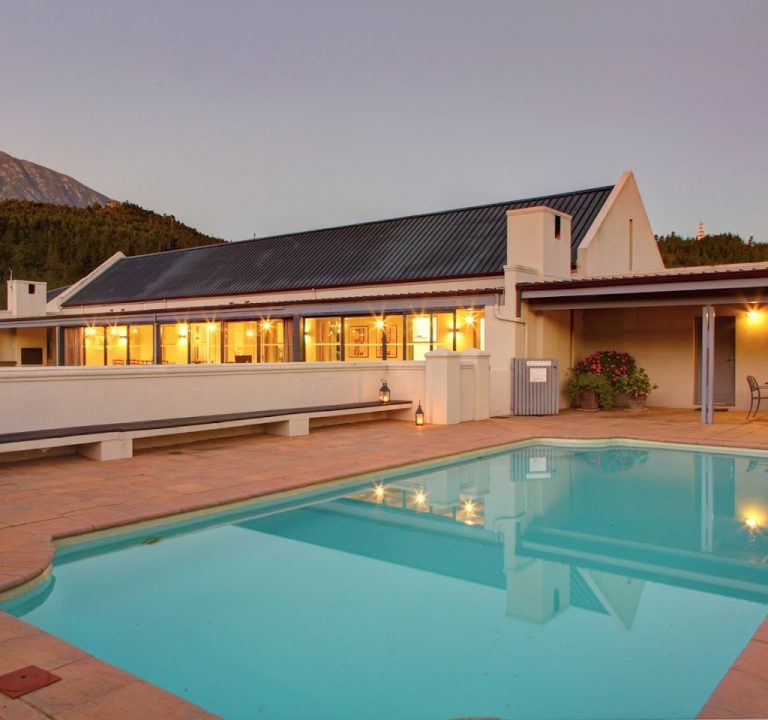
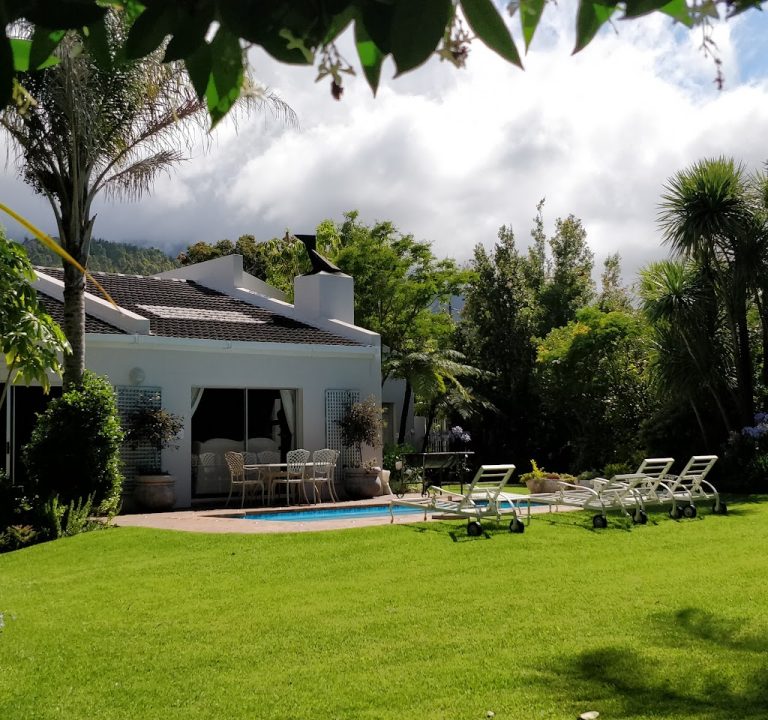
One example of the region’s varied lodging is Akkerboom Country Cottages, a country-style option that embodies the tranquillity of a countryside stay while staying within reach of Swellendam’s centre. The property’s page highlights a self-contained appeal with a focus on space and comfort, and the website provides more details for planning a visit. For travellers seeking a relaxed, home-from-home atmosphere, such cottages can be an excellent base for both town life and countryside exploration.
When it comes to attractions, Swellendam offers a balance of historic charm and natural beauty. In town, you can expect a compact, walkable centre with grey-stone façades and boutique dining options, as well as museums and cultural sites that reflect the area’s history. Outside the town, the surrounding valleys and hills feature nature trails, viewpoints and birdlife. The Marloth Nature Reserve and other protected areas nearby are popular for gentle hikes, picnics and scenic drives, while the region’s vineyards and farms provide opportunities for wine-tasting experiences and seasonal produce markets. Whether you favour a restful morning in a garden setting or a day spent among landscapes, Swellendam lends itself to a slower, focused approach to sightseeing.
Food lovers will find a thoughtful handful of restaurants and café options that emphasise seasonal ingredients and homely cooking. In general terms, expect menus that highlight rural flavours, with dishes drawn from local produce and crafts. Many establishments offer outdoor seating in garden courtyards, making the most of Cromwellian light or the cooler evenings. If you are planning a day out, it’s worth asking hosts or staff for current recommendations on places for breakfast, a casual coffee, or a relaxed dinner with a sunset view.
Best time to visit Swellendam depends on what you want to do. Spring and autumn bring milder weather and lush landscapes, ideal for walking and cycling, while the summer months are sunnier and longer in daylight, suitable for day trips to the coast or longer vineyard excursions. Winter can be cooler, with cosy evenings that suit a stay in a warmly heated room or a crackling fireplace at a guesthouse. Whatever the season, it pays to book in advance during peak holiday periods, and to confirm heuristic details—such as the availability of braai facilities or outdoor spaces—so you can align your booking with your plans.
Practical planning tips for a Swellendam stay:
• Use the town as a hub and base yourself for day trips to the surrounding countryside, the coast, and nearby wine routes.
• Read guest reviews with a focus on comfort, cleanliness and the responsiveness of hosts, especially regarding parking and distance to town.
• Check your accommodation’s self-catering facilities if you expect to cook some meals, or look for breakfast-inclusive options if you prefer a lighter start to the day.
• Consider a mix of stays within the town for easy access to amenities and a rural retreat for a couple of nights—balancing convenience with immersion in the landscape.
For those plotting a balanced itinerary, Swellendam offers a gentle blend of hospitality and nature. By selecting an area that fits your preferred pace, confirming essential amenities, and taking advantage of local dining and outdoor options, you can enjoy a memorable stay in this peaceful corner of the Western Cape. For more information on accommodation such as Akkerboom Country Cottages, visit their official site to explore availability and specific facilities.