Staying in Swellendam: where to stay, what to do, and practical tips for your visit
Swellendam, tucked between the Langeberg mountains and the scenic Breede River valley in the Western Cape, offers a welcome blend of historic charm and modern comfort. Whether you are seeking a cosy stay in a well-appointed guest house, a tranquil lodge on the edge of town, or a boutique stay within easy reach of countryside adventures, Swellendam provides a range of options to suit different tastes and budgets.
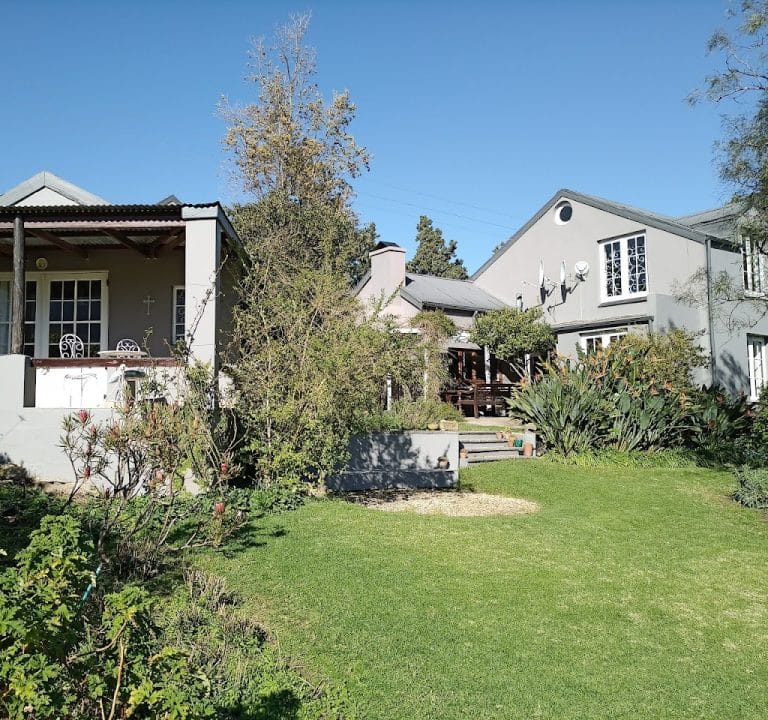
Accommodation in Swellendam is characterised by warmth, personalised service and a sense of place. Many guest houses and inns are housed in period buildings with well-kept gardens, while contemporary lodges offer bright, airy rooms and convenient amenities. When planning a stay, consider which area will best suit your plans. The town centre puts you close to heritage sites and cafés, while the outskirts offer quicker access to nature reserves, scenic drives and longer walks. If you are travelling with a vehicle, choose accommodation with easy parking and straightforward access to the N2 and surrounding roads.
What to look for when booking:
- Location relative to your plans — town centre for museums and eateries, or countryside lodges for hiking and scenic drives.
- Character and style — historic guest houses often include period features and landscaped gardens; modern lodges may offer contemporary design and more expansive facilities.
- House rules and breakfast options — some places include a full breakfast, while others offer self-catering facilities or light provisions.
- Facilities and accessibility — check for private entrances, parking, Wi‑Fi reliability, suitability for families or couples, and any travel necessities such as bike storage or solar power back‑ups in off-grid settings.
- Cancellation and payment terms — many small properties offer flexible rates but confirm policies in advance, especially during shoulder seasons.
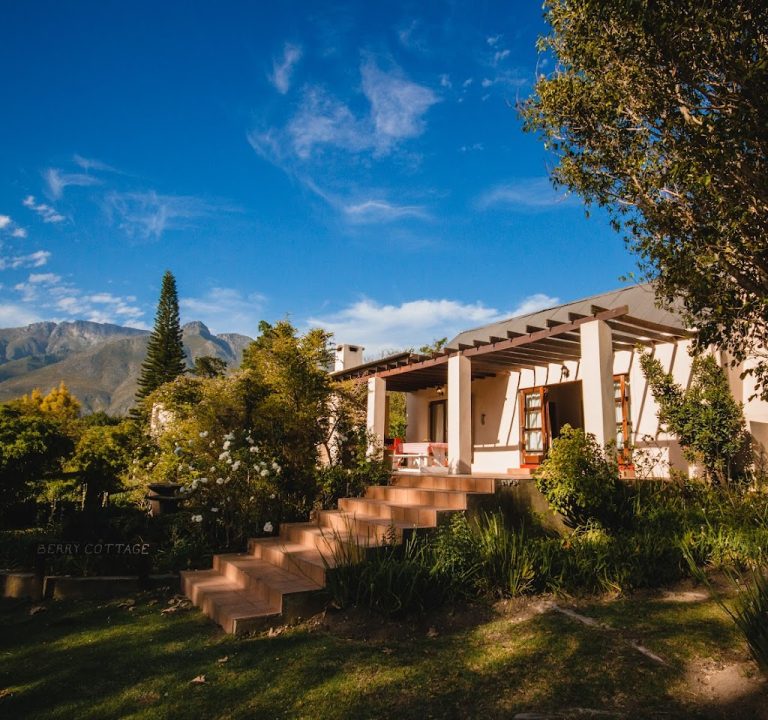
Typical amenities you can expect include comfortable en-suite bedrooms, secure parking, reliable Wi‑Fi, and thoughtfully curated self-catering or breakfast options. Some stays may offer additional features such as outdoor seating areas, swimming pools, or verandas with mountain or garden views. If a quiet, intimate atmosphere appeals, look for smaller guest houses with personalised service, while larger boutique lodges can provide on-site dining or guided activities.
Transport and getting around the area are straightforward. Having a car is a practical advantage for exploring Swellendam’s surrounding scenery and for short trips to nearby nature reserves and viewpoints. If you prefer not to drive, check how far the guest house is from the town’s central hub and whether they can arrange guided tours or transfers. Local taxis and ride‑hailing services may operate in peak periods, but plan ahead for early starts or late returns when visiting outlying areas.
Best time to visit Swellendam depends on what you wish to do. Spring and autumn (September to November and March to May) offer mild weather and quieter streets, ideal for nature walks, photography and tasting seasonal produce at local eateries. Summer brings longer days and pleasant conditions for outdoor activities, though it can be busier in peak holiday periods. Winter is cooler and learners often enjoy cosy, fireside evenings in boutique guest houses. If you are drawn to outdoor adventures, reserve accommodations close to nature reserves or the Marloth Park area to minimise travel times between activities.
When it comes to planning activities, Swellendam’s heritage and natural surroundings provide a gentle, relaxed itinerary. You could begin with a stroll through the town’s historic streets and visits to local museums to understand the town’s roots before heading into the countryside. The surrounding nature reserves offer opportunities for short walks, birdwatching and scenic viewpoints. For food lovers, Swellendam’s dining scene is typically understated and friendly, with several family‑run eateries and bistro-style venues that emphasise regional produce and seasonal dishes. While this guide does not name specific establishments, you can expect a range of options from casual cafés to more refined dining rooms that align with the town’s warm hospitality and relaxed pace.
Practical tips for a comfortable stay in Swellendam:
- Pack layers and a light jacket for cooler mornings and evenings, especially if you plan to be outdoors at dawn or dusk.
- Bring a reusable water bottle and comfortable walking shoes for gentle exploration of town streets and nearby trails.
- Check whether your accommodation offers laundry facilities or whether there are nearby launderette services if you are travelling light.
- If you intend to dine out, consider making reservations during peak periods to secure a table at popular venues.
- Respect conservation areas and follow marked trails; carry a small map or download offline directions for countryside excursions.
Would-be visitors to Swellendam may wish to consider the Hamlet area and similar guest‑house neighbourhoods for a quieter stay with easy access to both historic attractions and countryside. For planning further, you can visit official tourism pages or the property’s own site for practical details, maps, and sample itineraries. A balanced stay in Swellendam—combining heritage walks, nature experiences and comfortable accommodation—offers a relaxed introduction to the Southern Cape that many guests return to year after year.