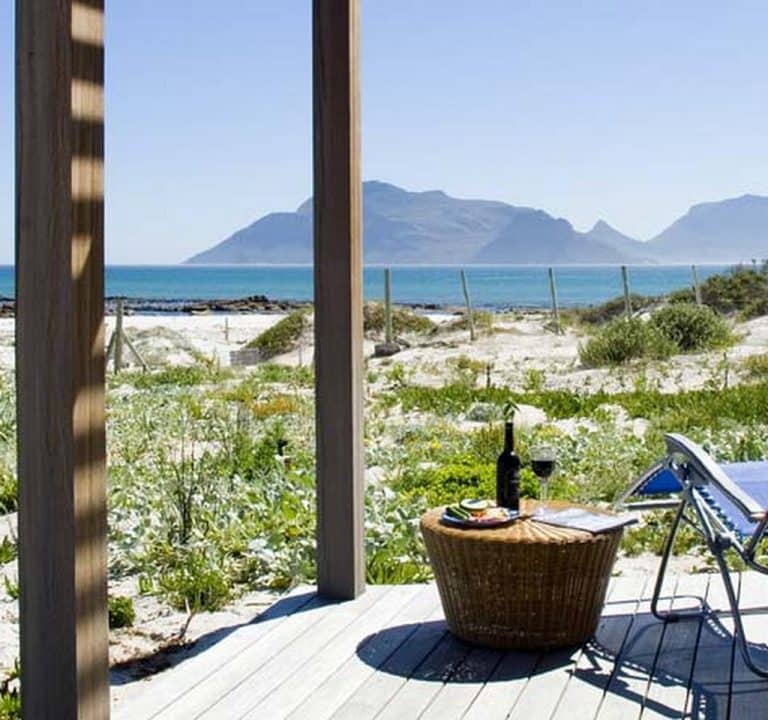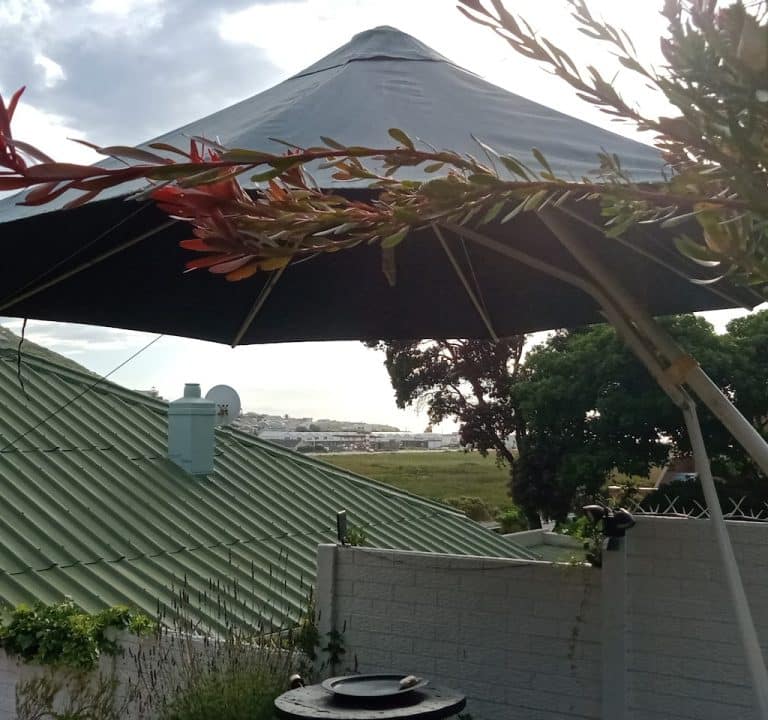
Akkedis House is a Holiday home establishment in Cape Town, Western Cape, South Africa
Akkedis House, Cape Town: An Observed Overview
Akkedis House is positioned within Cape Town’s varied and lively Western Cape landscape, inviting visitors to explore a city renowned for its iconic geology, dramatic coastlines, and cultural diversity. While the available source material centres on a different short‑term rental listing nearby, the general appeal of a stay in this part of the Cape is clear: convenient access to sea viewpoints, mountains, and the myriad experiences that make the Mother City a magnet for travellers seeking both relaxation and discovery.
From the perspective of an outside observer, the core proposition of Akkedis House would be to provide a comfortable retreat that blends local character with contemporary conveniences. When considering Cape Town accommodations in this tier, guests typically look for a thoughtful balance of stylish interiors, practical amenities, and an environment that supports easy exploration of nearby attractions. The nearby coastal and harbour-adjacent neighbourhoods often offer a mix of scenic walks, seafood spots, and markets, all within reach for guests who appreciate the interplay between natural beauty and urban culture.
As with many BnBs and guesthouses in this region, the accommodation is likely to emphasise a homely atmosphere coupled with a sense of place. In practice, this can translate to rooms that are comfortable and well‑appointed, shared or private living spaces that feel welcoming, and a staff or host presence that is helpful without being intrusive. For travellers who value a sense of connection to local life, such settings can provide the reassurance of hospitality while still enabling individual guests to retreat to restful spaces after a day of sightseeing.
Important practicalities—such as room configurations, on-site facilities, and policy details—are not clearly stated in the provided source content. Consequently, no definitive statements can be made about specific room types, whether private bathrooms are standard, or the exact range of amenities. Visitors are advised to verify details directly with the listing platform or host when planning a stay. The absence of explicit information does not diminish the potential appeal of the location but does underscore the importance of confirming what is most important for personal comfort and travel style.
For travellers weighing where Akkedis House might fit into a Cape Town itinerary, the surrounding area generally lends itself to a mix of outdoor activities and relaxed urban experiences. Those who enjoy mornings with a seaside breeze might capitalise on proximity to coastal footpaths, while others may prefer to set out for mountain hikes, nature reserves, or scenic drives along the Atlantic Seaboard. Even without precise proximity details, Cape Town’s reputation for accessible natural beauty means a stay in a well‑located guestroom can provide a reliable starting point for varied days out.
Who is Akkedis House best suited for? In a broad sense, guesthouses in these coastal and harbour-adjacent neighbourhoods tend to attract travellers who value a comfortable, unpretentious stay with easy access to both outdoor pursuits and city conveniences. This can include couples seeking a restful base for exploring the Cape’s landmarks, solo travellers who appreciate a friendly local welcome, and families looking for a modest setup with convenient access to public transport and dining options. The final fit will naturally depend on the exact layout, facilities, and policies of the property, which require direct confirmation from the host or listing.
Nearby highlights that travellers often enjoy in Cape Town include landmark attractions, waterfront dining, and cultural experiences. While the specific attractions near Akkedis House are not itemised in the current source, the city’s well‑documented offerings—such as lookout points with sweeping sea views, vibrant markets, historic districts, and a diverse culinary scene—are typically within a reasonable radius of well‑located accommodation in the area. For visitors who prioritise precise proximity, a quick check of a map or the listing page will provide the most accurate guidance on walking and driving times to preferred destinations.
Booking and travel tips for this type of stay in Cape Town include a few practical considerations. Early planning can secure preferable rates and ensure availability during peak seasons. Checking the cancellation policy is wise, as weather, flight schedules, and personal plans can change. When choosing accommodation, guests often weigh the mix of private versus shared spaces, natural light, heating or cooling options, and accessibility features. Communication with the host ahead of arrival helps set expectations regarding check‑in timings, fresh towels and linens, and any housekeeping routines. For travellers who catalogue their trips online, booking through a reputable platform with clear service and safety standards can provide additional reassurance.
Readers interested in viewing the specific listing referenced here and assessing exact amenities, room configurations, and policies are invited to consult the listing page via the provided link: Airbnb listing for Lazy Me by the Mountain, near the Sea. While this external listing is not a direct description of Akkedis House, it exemplifies the type of coastal South African stay commonly found in the region and underscores the appeal of Cape Town’s guest‑house market to travellers seeking comfort, character, and convenience in a single, convenient package.
Cape Town
Western Cape
7975
South Africa

Cape Town: accommodation ideas, planning tips and a taste of the Peninsula
Cape Town offers a rich mix of neighbourhoods, landscapes and experiences that suit a wide range of travellers. From the energy of the city bowl to the coastal calm of the Atlantic Seaboard and the historic charm of the Southern Peninsula, a well-planned stay can balance restful downtime with memorable excursions. When choosing where to stay, consider access to the places you most want to visit, the pace you favour, and the kind of amenities that will make your trip comfortable.
A practical starting point is to map out your priorities: easy access to the sea and scenic drives, proximity to cafés and markets, or a quieter base for long day trips. For many visitors, a split stay works well—spending a few nights in central Cape Town to explore museums, markets and dining, then moving to a coastal or leafy neighbourhood for a more relaxed atmosphere. Acknowledging that seasons shape crowds and pricing, planning ahead for shoulder seasons can bring better availability and value while still offering excellent weather for outdoor pursuits.
In terms of accommodation, you’ll find a spectrum of options that suit different budgets and preferences. Boutique guesthouses nestled in leafy suburbs can offer intimate service, with breakfast and personalised recommendations. Modern holiday homes and apartments—ranging from compact city-centre flats to larger family houses—often provide self-catering facilities, parking, and space to unwind after busy days. A distinctive option is a coastal or mountain-edge retreat with views of Table Mountain, the Atlantic shoreline or the False Bay coast. For example, Akkedis House, a holiday home listed for visitors seeking a home-away-from-home experience, offers a private base with its own character and convenient links to both beaches and hills. You can learn more about this type of stay at the linked listing: Akkedis House.
Typical amenities you might encounter include reliable Wi‑Fi, fully equipped kitchens, private parking, and outdoor spaces such as balconies or gardens. Many properties will provide linens, towels, and basic essentials, with options for serviced stays that include cleaning or reception-style help. If you are visiting with family or a group, look for multiple bedrooms and well‑appointed living areas. If you travel light, a well-designed studio with a compact kitchenette can be a great choice. Consider proximity to public transport or easy access to hire cars, as some areas in Cape Town are best explored with a vehicle, while others are easily reached by Uber or reputable taxi services.
Transport and getting around are practical planning points. The city centre is well connected by metered taxis and ride‑hailing services, and several popular routes to the Cape Peninsula can be completed by car or organised tour. If you plan to venture to the Cape of Good Hope, Kirstenbosch Gardens, orshoreline viewpoints, a car provides flexibility. For shorter trips, especially in the busy city and coastal belts, a crowdsourced shuttle service or local taxi app can be convenient. When staying in quieter neighbourhoods, you may benefit from a rental car or a reliable driver to reach remote lookouts and hiking trails. Always check parking arrangements and any security features at your chosen accommodation before you book.
Best time to visit Cape Town depends on your priorities. The late spring and autumn months (roughly September to November and March to May) often offer mild weather, lighter crowds and pleasant hiking conditions. Summer brings longer days and beach-friendly weather, but can be busy and pricier near popular beaches and attractions. Winter (June to August) tends to be cooler and wetter, yet it can be a good time to explore museums and indoor experiences, and you may find fewer crowds. The wine regions just outside the city are a year-round draw, with autumn grape harvests and spring blossom adding to the appeal.
What to do during your stay goes beyond beaches and viewpoints. You can explore coastal walking paths and scenic drives along the Atlantic seaboard, visit historic sites and markets, and sample Cape flavours at a range of eateries—from casual cafés to refined restaurants. In addition to dining, look for experiences such as guided walking tours, vineyard visits in nearby Constantia, and family-friendly day trips that suit varying interests and energy levels. It is wise to book popular activities in advance during peak season, while leaving gaps in your itinerary for spontaneous discoveries and unplanned strolls through neighbourhoods, markets and waterfronts.
When booking, keep these practical tips in mind:
- Assess the neighbourhood vibe: central areas offer access to museums and nightlife, while hillside and coastal districts provide quieter streets and views.
- Verify transit access and parking, especially if you plan to drive the Peninsula route or access nature reserves.
- Check for essential amenities such as a well-equipped kitchen, laundry facilities, and secure entry.
- Read recent guest reviews for insights on cleanliness, host responsiveness and noise levels.
- Consider flexible cancellation terms if your plans may change with weather or events.
Cape Town’s mix of culture, scenery and cuisine makes it a destination with something for every traveller. With thoughtful accommodation choices and a flexible plan, you can balance restful days with adventure, savour memorable meals, and return home with a sense of having explored both the city and its remarkable surroundings.
Sorry, no records were found. Please adjust your search criteria and try again.
Sorry, unable to load the Maps API.
Why Claim Your Listing?
Claiming your listing on the B&B Finder directory website is a valuable opportunity for business owners. Here are five reasons why you should consider claiming your listings:
Control Over Business Information: By claiming their listing, business owners can ensure that all the information presented is accurate and up-to-date. This includes details such as contact information, address, pricing, and available services or amenities. Accurate information helps prevent customer confusion and improves overall satisfaction.
Enhance the Listing: Once a listing is claimed, owners can enhance it by adding more comprehensive information and rich media, like high-quality photos and videos. These additions can make the listing more attractive and engaging to potential customers, thereby increasing the likelihood of bookings.
Marketing Opportunities: Claiming a listing can also open up additional marketing opportunities. Owners may be able to participate in promotional campaigns, special offers, and other marketing activities organized by the directory. This can increase visibility and attract more customers to the business.