Accommodation and experiences in Cape Town, Western Cape
Cape Town offers a diverse mix of places to stay, from chic city boltholes to laid‑back guest houses with sea views. When planning a visit, think about what makes a stay convenient for you: location, access to transport, and the kind of atmosphere you want after a day’s exploring. A stay at a guest house such as Luxury Guest Suite can provide a cosy base with a personalised touch, whether you prefer a stylishly understated room in the City Bowl or a sunlit suite near the Atlantic coast.
In choosing where to stay, consider the neighbourhoods that best suit your plans. The City Centre and the nearby Cape Town harbour area are excellent for intact access to museums, markets, and vibrant dining, with easy links to other parts of the region. The Atlantic Seaboard—think Sea Point, Bantry Bay, Camps Bay, and Clifton—offers dramatic sea views and a more relaxed ambience, ideal for sunset strolls along the promenade and convenient beach access. The Constantia valley, rising to wine country on the southern side of Table Mountain, is perfect for travellers seeking green space, longer stays, and easy day trips to vineyards and natural reserves. For a more bohemian vibe and practical transport links, the suburb of Observatory and the nearby neighbourhoods around the University of Cape Town present affordable options with a lively restaurant scene.
What to look for when booking
- Room configuration and privacy: ensuite bathrooms, separate living spaces, and quiet rooms are worth prioritising in busy periods.
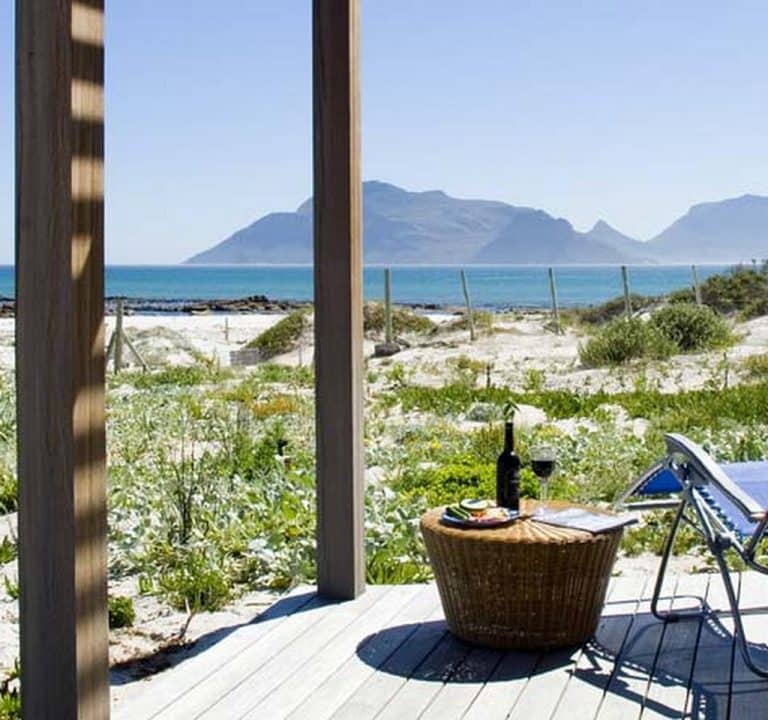
- Light and access to fresh air: balconies, verandas, or large windows can greatly enhance a stay, particularly in warmer months.
- Practical amenities: reliable wifi, sufficient power outlets, tea and coffee provisions, and secure on‑site parking or easy street parking.
- Guest experiences: locally guided walks, tips on public transport, and curated itineraries can add real value to your trip.
- Safety and accessibility: check building access, secure entry systems, and the proximity of well‑lit streets if you plan to come back after dark.
Typical amenities to expect
Many guest houses and boutique hotels in Cape Town offer a thoughtful mix of comfort and character. Bespoke decor, daily housekeeping, and a welcoming common area or cosy lounge are common features. Breakfast may be included, ranging from a light continental spread to a hearty, guest‑chef‑style menu highlighting fresh local produce. Some properties provide additional touches such as a small courtyard, a plunge pool, or outdoor seating with sea or mountain views. If you require specific arrangements—such as a private keyless entry or early check‑in—it's worth confirming these with the host before arrival.
Transport and getting around
Cape Town’s street layout can be hilly and busy, so planning transport ahead is wise. Staying near a MyCiTi bus route or in walkable areas reduces the stress of city navigation. Uber and other ride‑hailing services are widely available, and hiring a car can be convenient for day trips to the Cape Winelands or the Cape Point nature reserve. Many guest houses can arrange airport transfers or reputable local guides, allowing you to tailor a day that matches your interests, whether cultural, culinary, or outdoors‑oriented.
Best time to visit
- Peak summer (roughly October to February) brings long days, abundant outdoor activities, and sea temperatures ideal for swimming.
- Shoulder seasons (March to May and September to early November) offer quieter streets, pleasant weather, and opportunities to secure good value on accommodation.
- Winter (June to August) is cooler and wetter but can be ideal for cosy stays and fewer crowds, with opportunities to enjoy indoor attractions and wine‑tasting experiences in the winelands.
Practical planning tips
- Plan mix‑and‑match stays: combine a few nights in a central location with a couple of nights in a more relaxed suburb or on the coast to experience different facets of the city.
- Green spaces and viewpoints: include time for a Cable Car ride up Table Mountain (weather permitting) or a visit to a coastal lookout to enjoy sweeping vistas.
- Dining considerations: Cape Town’s dining scene ranges from casual markets to fine‑dining institutions. Booking ahead for popular spots is sensible, particularly in peak seasons.
- Connectivity: if you rely on wifi for work or streaming, verify that the property’s speed and reliability meet your needs.
- Practicalities: check weather‑proofing for your stay, as coastal areas can be breezy; confirm access to hot water and heating in cooler months.
Attractions and experiences (in general terms)
Cape Town’s magnetism lies in its natural beauty and cultural richness. Iconic landscapes include Table Mountain and its surrounding parklands, sparkling coastal routes, and winelands within easy reach for day trips. Cultural highlights span museums and historic sites, vibrant markets, and a food scene that celebrates fresh seafood, local produce, and diverse flavours. Rather than listing specific venues, consider sampling a mix of viewpoints—harbour sunsets, coastal walks, hillside viewpoints, and market mornings—to capture the dynamic spirit of the city. For inspiration and practical planning, site guides and tourism resources offer current event listings, self‑guided routes, and reputable recommendations for restaurants, tours, and activities.
If you’re seeking a home‑from‑home experience that balances comfort with a sense of place, a boutique guest house such as Luxury Guest Suite can supply a thoughtful base for exploring Cape Town’s varied sides. For more information on Cape Town’s attractions and planning resources, you can visit official tourism sources and trusted travel guides prior to booking your stay.