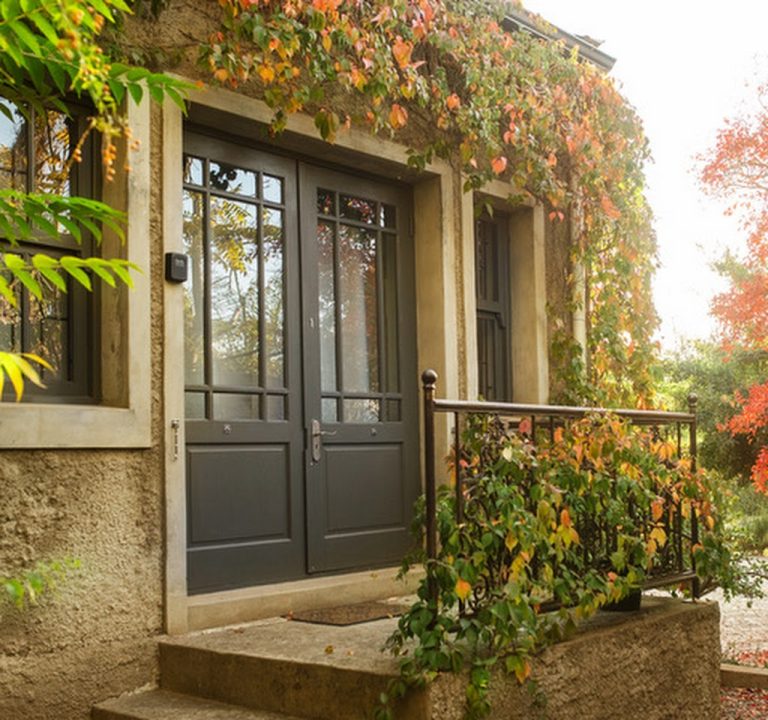
Riebeek-Kasteel: Where to stay and what to explore in the heart of the Western Cape
Riebeek-Kasteel is a historic village tucked between rolling vineyards, olive groves and rugged scenery in the Swartland. It makes for a relaxed base from which to explore the surrounding winelands, artisanal producers and the nearby nature reserves. When planning a stay, consider both the village centre and the quieter countryside edges, where many guesthouses and self‑catering cottages enjoy larger gardens, stunning views and tranquil mornings.
Accommodation in Riebeek-Kasteel ranges from boutique guesthouses with personalised service to self-contained cottages and small country lodges. In the village you’ll often find period houses converted into welcoming BnBs, while the surrounding farms offer spacious retreats with private verandas and kitchens. Look for places that prioritise quiet rooms, clear information about parking, and easy access to the centre without relying entirely on car travel. A well‑located option can place you within a short stroll of the town’s galleries, cafés and the friendly market atmosphere, with additional convenience for early starts to day trips.
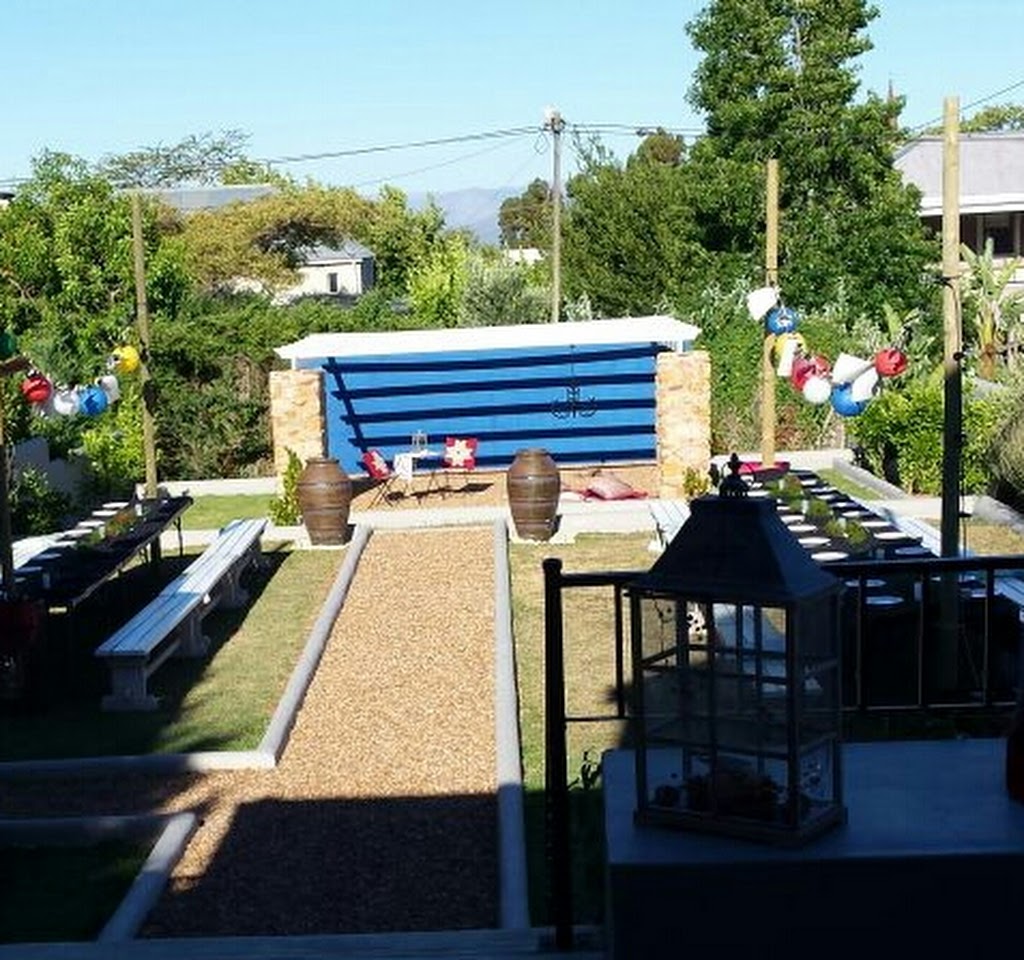
Typical amenities you may encounter include en‑suite bathrooms, Wi‑Fi, secure parking, heating or cooling for seasonal changes, and attractive outdoor spaces such as courtyards, balconies or gardens. Some properties offer breakfast options, while others are fully self‑catering. Outdoor lovers will appreciate pools, shaded terraces and barbecue areas, especially during warmer months. If you’re travelling with family or a group, ask about larger suites, interconnecting rooms, or the possibility of a private lounge or dining area.
Transport planning is straightforward for many visitors. A car provides the most flexibility for exploring the area, including nearby olive estates, viewpoints and short day trips to wine cellars. If you’re not driving, check whether your accommodation offers arranging transfers or has good access to public transport routes, and verify the distance to the centre for evening strolls. The village is compact enough to explore on foot, but having a vehicle makes it easier to reach the surrounding farms and viewpoints for a full day out.
The best time to visit Riebeek-Kasteel depends on your priorities. Spring (August to October) brings colours back to the landscape, energy in the gardens, and mild days ideal for walking and outdoor meals. Summer (November to February) is warm and sociable, with longer days perfect for cellar tasting and alfresco dining—note that peak heat can be felt in the afternoon. Autumn (March to May) offers mellower weather and a quieter atmosphere, which suits visitors who prefer a slower pace. Winter (June to August) can be cool and misty, but cosy guesthouses with fireplaces and hearty farm‑to‑table meals are a draw for travellers seeking a snug retreat.
When planning your itinerary, prioritise a balance of relaxation and discovery. In the village, you’ll find art galleries, antiques, slow‑food cafés and bakeries that showcase local produce. Within a short drive, you can explore olive groves and small‑batch producers, where tastings and light meals are common. The surrounding countryside is ideal for short walks or gentle hikes, with viewpoints that offer sweeping overviews of the Swartland hills and the valley floor. For a wider experience, consider a day trip to nearby towns or wine regions, where you can combine cellar tours with countryside picnics and farm shop stops.
Practical planning tips to help you make the most of your stay:
- Book early for peak periods and weekends, especially in spring and during harvest time.
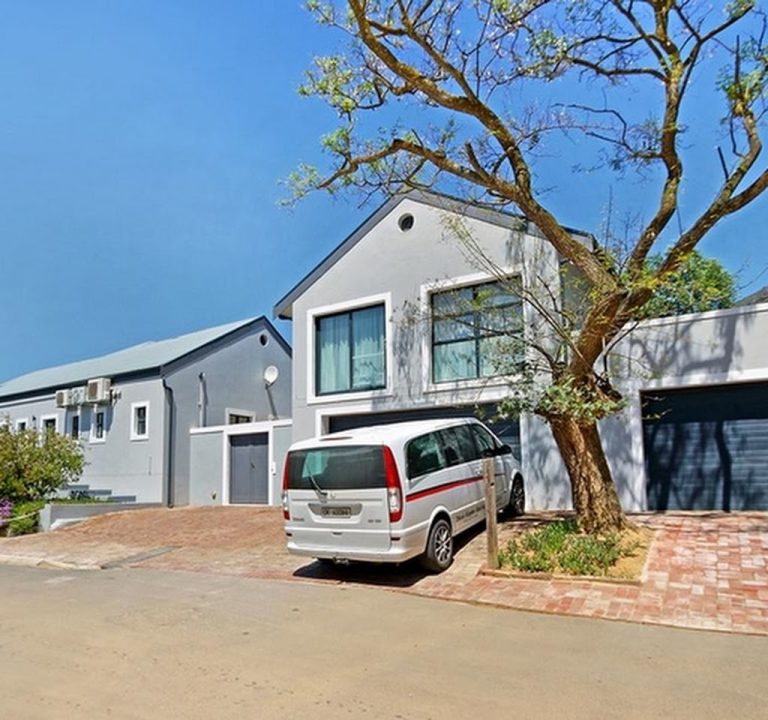
- Confirm parking arrangements and access to your accommodation’s entrances, particularly if you arrive late in the day.
- Ask for a map or local notes about walking routes, grocery options, and suggested dining choices within the village.
- Check tea, coffee and kitchen facilities if you intend self‑catering, and confirm a flexible breakfast arrangement if you prefer later starts.
- In winter, pack warm layers and a cosy shawl for chilly evenings; in summer, bring sun protection and water for outdoor activities.
Attractions in and around Riebeek-Kasteel are best enjoyed at a relaxed pace. Visitors commonly explore artistic spaces and small museums, wander through olive estates, and sample regional wines along the broader Swartland wine route. The area’s farms often offer seasonal produce and rustic dining experiences that emphasise local ingredients. For a broader sense of the Western Cape, plan a day trip to nearby towns, countryside routes and scenic viewpoints that are easy to reach by car.
When it comes to dining, expect menus that celebrate country cooking, seasonal vegetables and regional cheeses. Restaurants in the area typically focus on welcoming, relaxed atmospheres with dishes that pair well with local wines and olive products. If you’d prefer something casual, look for cafés and bistros that offer light meals, fresh pastries and outdoor seating. Always check opening times in advance, especially outside peak tourist periods, and reserve a table if you’re visiting on weekend evenings or during popular market days.
In summary, a stay in Riebeek-Kasteel blends comfortable, traveller‑friendly accommodation with authentic, small‑scale experiences. Whether you choose a charming village guesthouse or a private country cottage, you’ll find options that suit a range of itineraries—from slow, restorative breaks to active days exploring cellars, farms and villages. For further information and inspiration on planning your visit, you can consult official regional tourism resources and the Western Cape’s travel information online.