Discover Cape Town: Accommodation, Attractions and Practical Planning
Cape Town sits at the confluence of rich culture, stunning scenery and a coastline that transitions from dramatic cliffs to sandy bays. When planning a stay, travellers often balance location, atmosphere and ease of access to the city’s famed natural landmarks with the practicalities of transport and daily routines. The city offers a range of accommodation styles to suit different itineraries, from intimate BnBs and guesthouses to boutique hotels and self-catering lodges, making it possible to tailor a stay to your pace and budget.
Where to stay matters as much as what you do. The City Centre (often referred to as the City Bowl) is convenient for museums, theatres and a lively restaurant scene, with easy access to the historic Bo-Kaap neighbourhood. The Atlantic Seaboard, including Camps Bay and Clifton, boasts dramatic ocean views, long beaches and chic eateries, ideal for sunset hours and relaxed days by the sea. For a more tranquil, leafy setting, Constantia offers hillside estates and wine venues, while the V&A Waterfront area provides easy harbour access and family-friendly strolls. For a rural contrast with easy access to the mountains, the Constantia and nearby Cape Winelands offer country stays that still feel within reach of the city’s energy.
When choosing accommodation, consider the following typical features and what they mean for your plans:
- Breakfast options: Many guesthouses and BnBs include a continental or cooked breakfast, which can help streamline morning plans before excursions to the Cape’s beaches, mountains and markets.
- Self-catering facilities: A kitchen or kitchenette is a boon for travellers seeking flexibility with meals, especially if you have a busy day ahead or prefer picnics by the coast.
- Private spaces vs. shared areas: Some smaller guesthouses offer private ensuite rooms where staff can tailor recommendations for activities, while larger boutique hotels may provide concierge services and on-site dining.
- Parking and security: Secure or on-site parking is convenient in most ZIP districts and helps simplify day trips to surrounding attractions.
- Wi‑Fi and workspace: If you need to combine travel with remote work or planning, reliable connectivity is worth confirming in advance.
- Access to transport: Proximity to a MyCiTi bus stop, rail links or rideshare hubs can greatly influence how easy it is to explore the city without a car.
Practical planning tips help many travellers make the most of their stay. Firstly, consider how long you’ll spend in the city’s different areas and reserve accommodation accordingly so you’re not spending excessive time commuting. Secondly, think about your outdoor plans—Table Mountain and Lion’s Head hikes, Cape Point, Kirstenbosch Gardens and the nearby Constantia wine route are popular, but some paths are best tackled early in the day or in milder seasons.
Best time to visit Cape Town is influenced by climate and activities. The southern hemisphere spring (September to November) and autumn (March to May) offer pleasant temperatures for outdoor sights and day trips. Summer (December to February) brings warmer days ideal for beaches and outdoor dining, but can be busier. Winter (June to August) is milder with occasional rain; the scenery is still spectacular, and indoor cultural events are plentiful. If you plan to venture to Cape Point or the Cape Peninsula, a flexible schedule helps, as weather conditions can change quickly along the coast.
Transport options in Cape Town are diverse. The MyCiTi bus network provides convenient routes across the city and surrounding suburbs, while Uber and other rideshares offer flexible door-to-door service. Hiring a car is advantageous if you intend to explore wine routes, the Cape Winelands or the peninsula’s more remote viewpoints. When booking, check access to parking, nearby lift limits for luggages at certain hotels, and the walking distance to nearby eateries, markets and transit hubs.
Dining in Cape Town runs from casual eateries to refined restaurants, with a strong emphasis on fresh seafood, regional produce and multicultural influences. Many accommodation providers arrange or recommend dining options that suit daily plans, whether you want a hearty breakfast before a hike, a relaxed dinner on a sea-view terrace, or a cosy, less formal evening in a homely setting. For a taste of local hospitality, look for guesthouses or boutique lodges that offer intimate meal experiences or provide curated suggestions for nearby markets, bistros and eateries that align with your day’s plans.
Attractions to keep in mind range from iconic coastal landscapes to cultural institutions. While you may wish to invest time in world-renowned landmarks, Cape Town also rewards visitors with its mountains, gardens, markets and waterfront atmospheres. A sojourn that weaves hiking, scenic drives, beach time, street markets, and a couple of guided or self-guided tours can deliver a balanced itinerary. Although prices and specific endorsements vary, most visitors describe a sense of natural grandeur paired with a warm, cosmopolitan welcome.
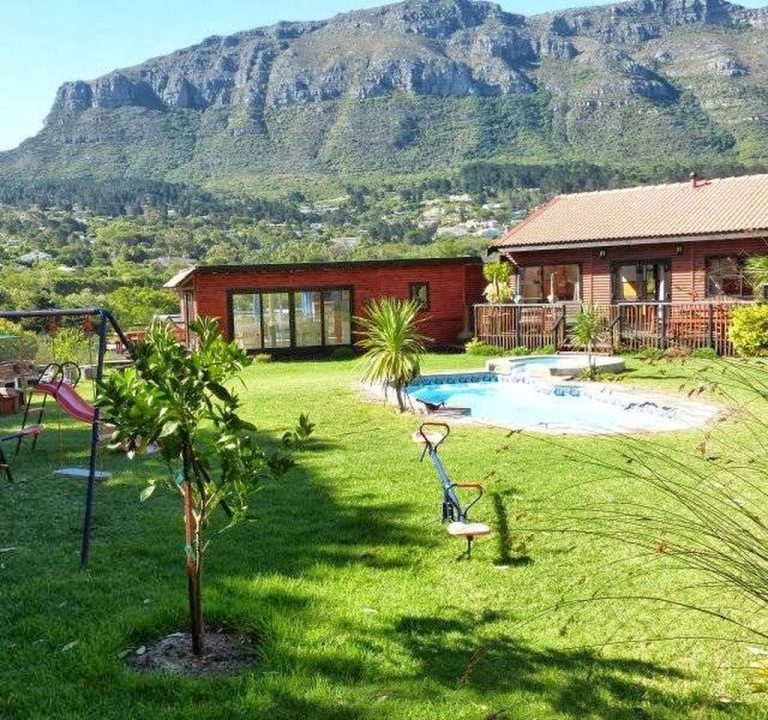
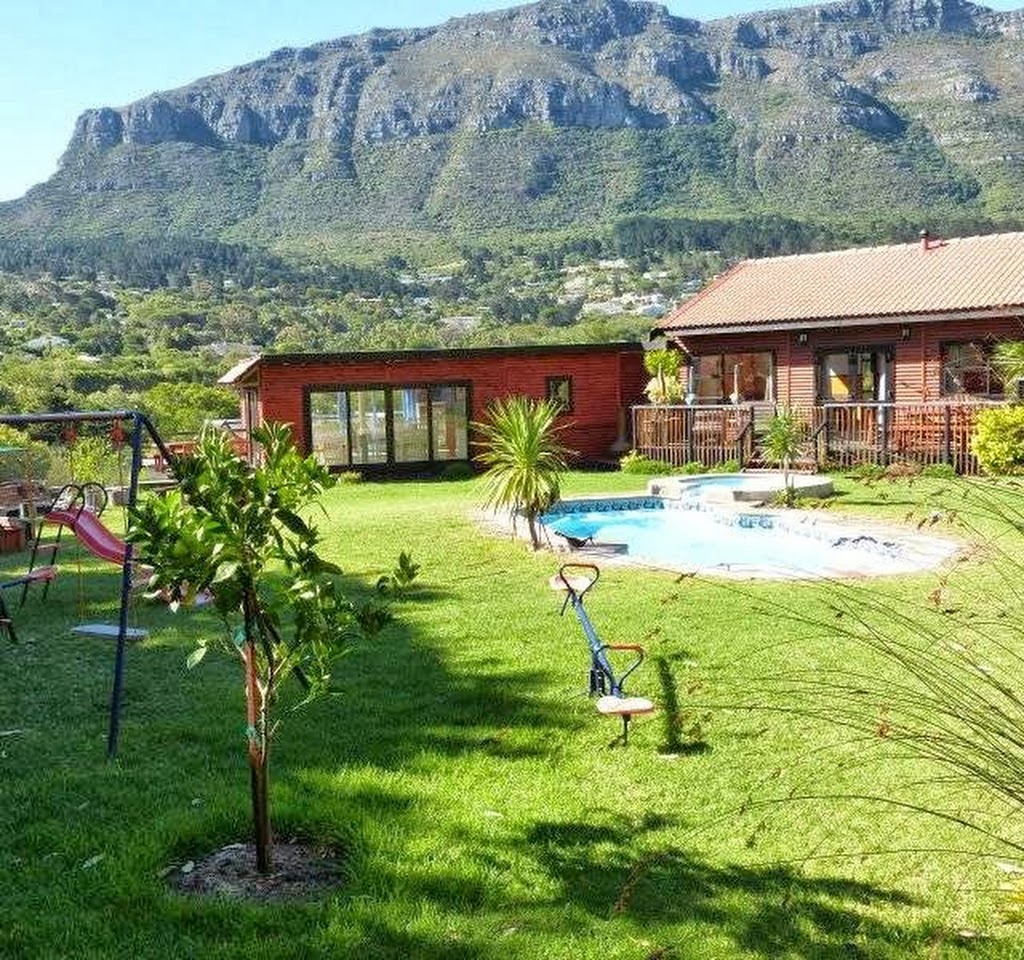
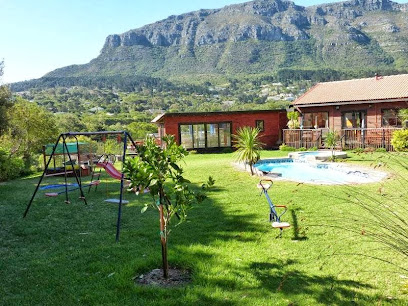
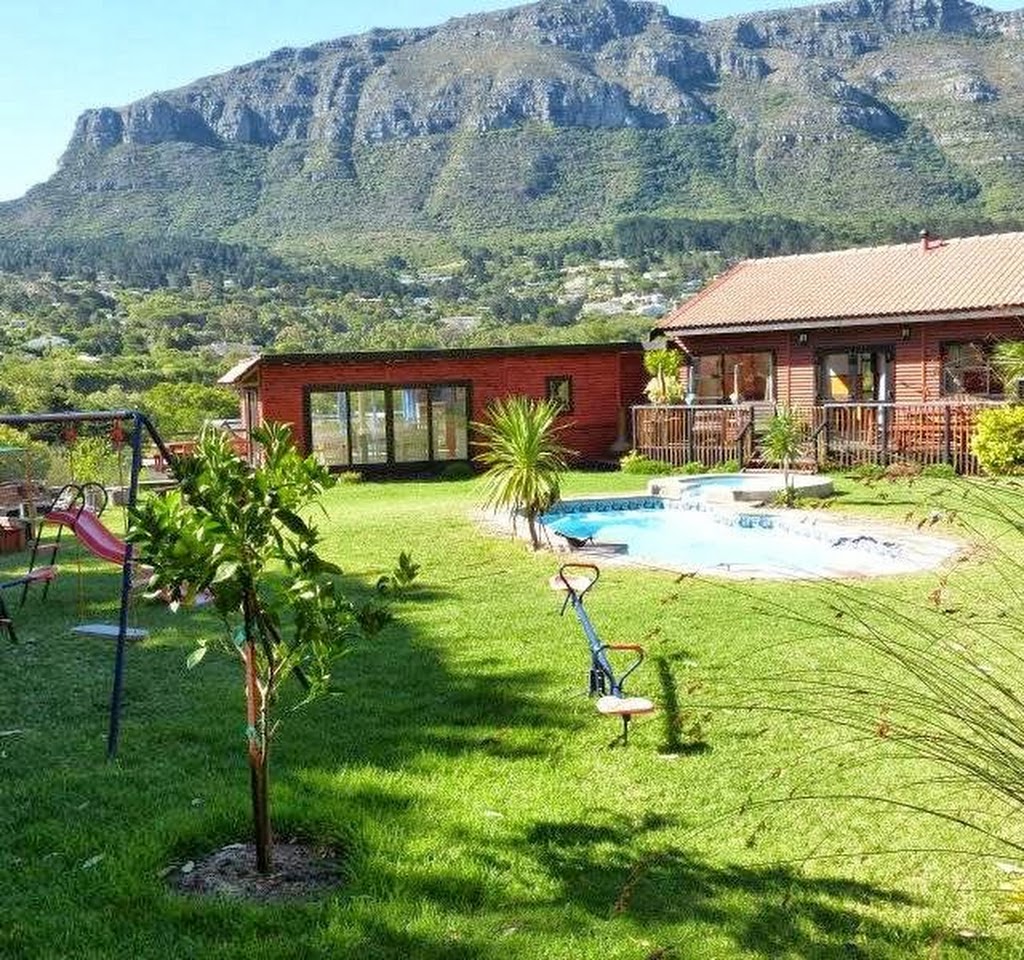
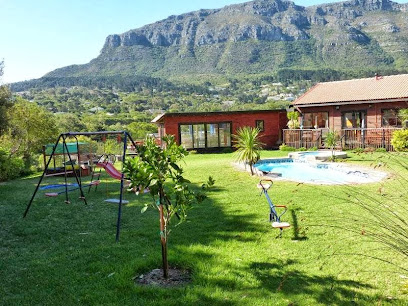
As an example of a welcome stay that sits in the broader region, African Family Farm offers a country-style experience within easy reach of Cape Town’s attractions. It can provide a different pace for travellers who wish to mix city sights with rural relaxation. For further information, you can visit their official site at African Family Farm.
In summary, a well-planned Cape Town stay blends smart location choices with flexible amenities, practical transport planning, and a balanced itinerary of outdoor adventures, cultural experiences and culinary discoveries. With a thoughtful approach to where you stay and how you move, you can enjoy the city’s dramatic beauty and its inviting, diverse hospitality scene without feeling hurried or overwhelmed.