Accommodation and Experiences in Cape Town, Western Cape
Cape Town offers a compelling mix of dramatic scenery, vibrant neighbourhoods and a coastline that seems to unfold with every turn. When planning a stay, travellers should consider the city’s diverse areas, from thebuzz of the city centre to the tranquil shores of the Atlantic and the leafy, hillside suburbs that overlook the valleys and sea. Whether you are seeking stylish boutique stays, family-friendly guesthouses, or modern hotels with sweeping harbour views, Cape Town and its surrounds provide options to suit a range of budgets and travel styles.
Areas to consider include the V&A Waterfront and central city for easy access to museums, markets and dining; the central Atlantic Seaboard, including Camps Bay and Sea Point, for dramatic seascapes and promenade walks; the historic Bo-Kaap and De Waterkant for colour, culture and proximity to cafés and eateries; andConstantia or Noordhoek for a quieter, leafy escape with easy access to wine farms and green spaces. If you are after a shorter stay with a resort-like atmosphere and a broader set of amenities, some hotels in the coastal outskirts offer pools, spa facilities and on-site dining, sometimes with hotel shuttles to nearby beaches.
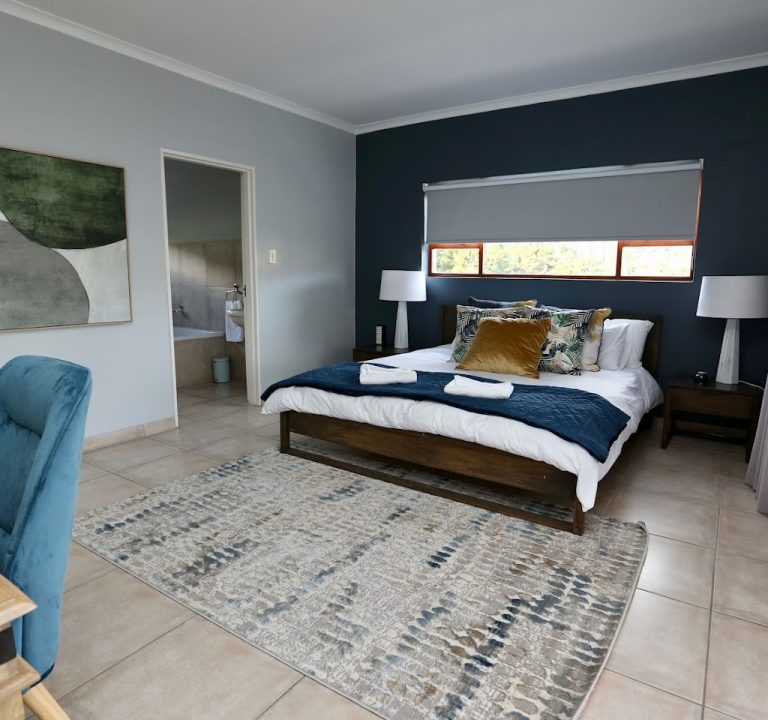
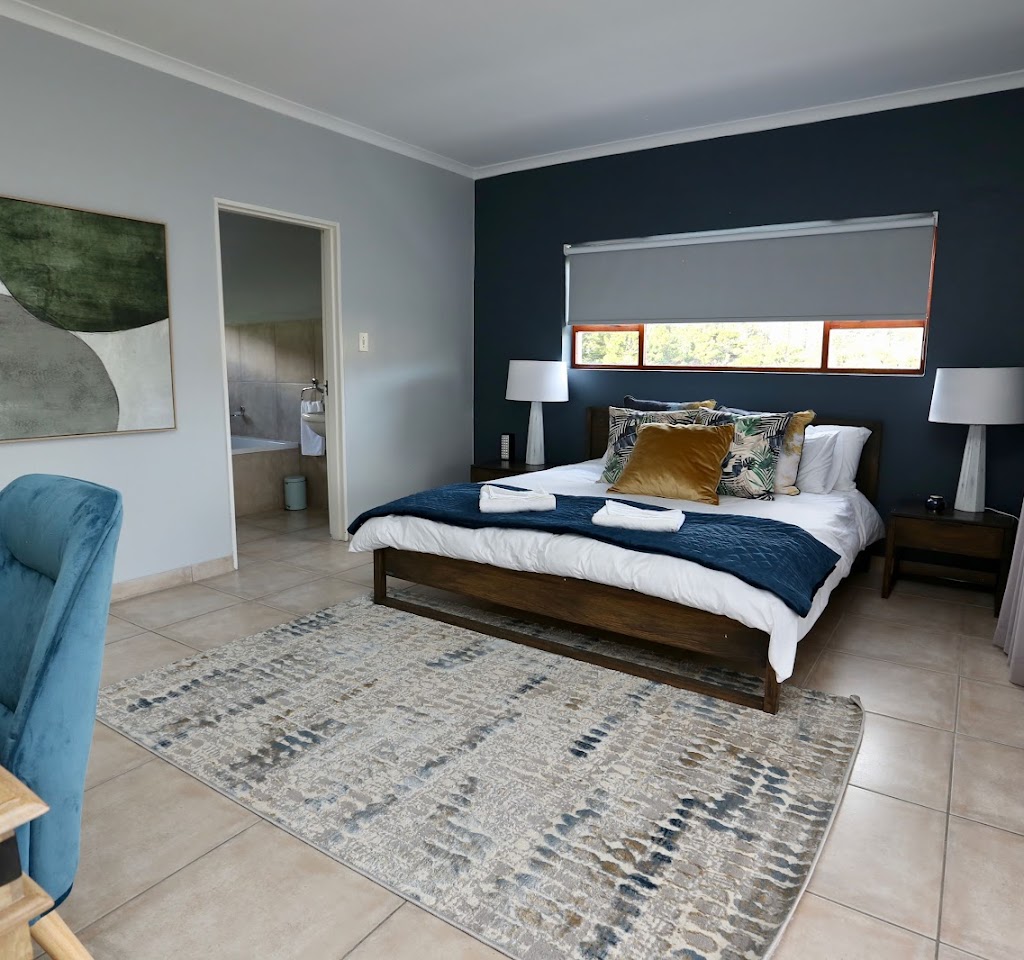
When booking, look for a few key details to ensure a comfortable stay. Room configurations matter: for families or groups, consider suites or suites with separate living spaces, or duplex layouts. If you prefer a quieter night, check for well-insulated rooms and soundproofing, especially in city centre locations. Practical amenities to prioritise include reliable wi‑fi, secure parking if you are driving, in-room tea and coffee facilities, and laundry services for longer trips. Many guesthouses and boutique hotels in Cape Town also offer personalised touches such as guided area maps, luggage storage, or curated local itineraries—these small extras can make a substantial difference to the experience.
Transport across Cape Town is convenient but variable depending on the neighbourhood. The city centre and V&A Waterfront are walkable to many sights, with Uber or reputable shuttle services available for longer routes. For exploring wine estates or the Southern Peninsula, hiring a car remains a common choice, though some accommodation providers can arrange transfers or partner with local tour operators. If you prefer public options, MyCiTi buses connect major areas, while scenic routes along the Atlantic coast can be enjoyed on day trips with organised tours. Consider a rental car if you plan to explore beyond the immediate urban core, but be mindful of peak traffic times and parking arrangements at your chosen base.
The best time to visit Cape Town depends on what you wish to do. Spring (September to November) brings blooming gardens and mild weather, ideal for outdoor activities and hiking. Summer (December to February) offers longer days, beach time and a lively urban scene, with late sunsets and rooftop venues. Autumn (March to May) provides pleasant conditions for coastal walks and wine country exploration. Winter (June to August) is cooler and rainier, yet often sees fewer crowds and offers opportunities to enjoy museum exhibitions, cosy eateries and wine tastings indoors. Always check local event calendars, as seasonal markets, coastal trails, and harbour activities can enhance a stay but may require advance planning during peak periods.
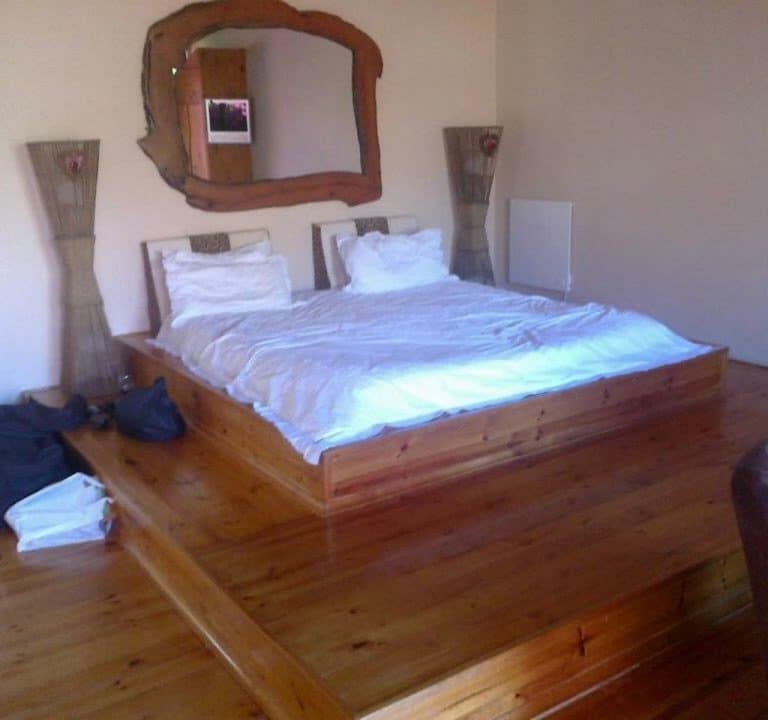
For accommodation types, you will encounter a spectrum from intimate guesthouses and B&Bs to larger hotels and stylish lodges. Guesthouses typically offer a more personalised experience, with hosts providing recommendations and a homely atmosphere. Boutique hotels strike a balance between style and comfort, often featuring curated interiors and on-site dining. If you are staying in areas such as the Atlantic Seaboard or the Constantia Valley, expect properties with scenic outlooks, private terraces, and easy access to local attractions or wine routes. If you wish to align your stay with family-friendly or activity-rich experiences, look for properties that advertise family rooms, kids’ menus, or easy access to beaches, nature reserves and hiking trails.
When planning activities, Cape Town’s attractions span natural wonders, cultural heritage and culinary experiences. Natural highlights include a scenic coastline, iconic viewpoints, and nearby nature reserves offering hiking, wildlife watching and photo opportunities. Cultural experiences range from historic districts and markets to contemporary galleries and theatre. In terms of dining, the city is known for its vibrant scene that emphasises fresh, regional ingredients, seafood and global influences. Rather than fixing on a single restaurant, consider exploring a few neighbourhoods to discover different atmospheres—from harbourfront eateries to hillside cafes with panoramic views. For those who enjoy guided discovery, reputable operators can tailor day trips to interests such as wine tasting in nearby estates, wildlife-spotting excursions, or coastal drives with photo stops along the way.
Practical tips to help you make the most of your stay:
- Book accommodation with clear cancellation policies, especially during shoulder seasons or when travel plans may change.
- Check access to parking or reliable transport options if you plan to drive or venture outside the city centre.
- Inspect the neighbourhood at different times of day to gauge noise levels, convenience, and local amenities.
- Pack layers for variable weather; even in summer, coastal breezes can be cool in the evenings.
- Look for properties that offer local insights or partner with guides to create a personalised itinerary.
For a self-contained stay with convenience, you might consider a base such as a well-situated boutique hotel or a guesthouse with good transport links and a reputation for attentive service. When in doubt, plan a few nights in a central area and allocate a couple of day trips to explore the surrounding regions, such as the winelands to the north or the scenic Atlantic coast to the south. Cape Town rewards flexible planning and a willingness to pair iconic sights with hidden gems discovered along the way. If you would like a curated stay in a distinctive neighbourhood, you could explore options in popular areas such as the Table Bay or the Constantia Valley, where accommodation is often paired with easy access to nature and leisurely day trips. For more inspiration and practical booking ideas, reputable travel guides and official tourism sites offer updated listings and planning resources.