Accommodating Cape Town: Where to stay, what to expect, and how to plan your visit
Cape Town sits at the junction of remarkable landscapes, vibrant neighbourhoods, and a harbour-side rhythm that suits both leisurely breaks and active explorations. When planning a stay, consider the mix of coastal air, mountain scenery, and urban conveniences. The city offers a range of accommodation options—from intimate guest houses and boutique hotels to self-catering apartments and lodges perched on the dramatic Atlantic rim. Choosing the right base can shape your experience of the Cape, from Table Mountain views to the nearby wine routes and pristine beaches.
Areas to consider
Central Cape Town provides easy access to museums, markets, and historic sites. A stay near the V&A Waterfront or the central business district can be convenient for first-time visitors and those who want city buzz, galleries, and fine dining within reach. The nearby neighbourhoods of Tamboerskloof and Oranjezicht offer quiet, leafy streets, good connections to the city centre, and easy access to the Table Mountain cable car. For a more coastal retreat, Green Point, Sea Point, and the Atlantic Seaboard deliver sea views, promenade walks, and a relaxed vibe. If you’re drawn to wine country and scenic drives, consider staying in Constantia or the southern suburbs, which place you closer to Stellenbosch, Constantia Valley wine estates, and easy routes to the southern beaches. Cape Town’s range means you can balance mountain adventures with restful evenings in a welcoming guest house or boutique hotel.
What to look for when booking
Start with location relative to your planned activities. If your days include hiking, a base near Table Mountain or the southern slopes of the city offers shortcuts and spectacular vistas. If you’ll be visiting Robben Island or taking day trips to the Cape Winelands, ensure you have straightforward transport options nearby—whether on public transit routes, reliable car hire, or access to organised tours. Consider the pace you want: harbourfront stays tend to be lively, while suburban guest houses often provide quieter evenings and more space for families. Check for features that suit you, such as secure parking, reliable Wi-Fi, self-catering facilities, or in-room workspaces. Proximity to restaurants, markets, and grocery stores can be a practical advantage, especially for longer stays.
Typical amenities and what they mean for you
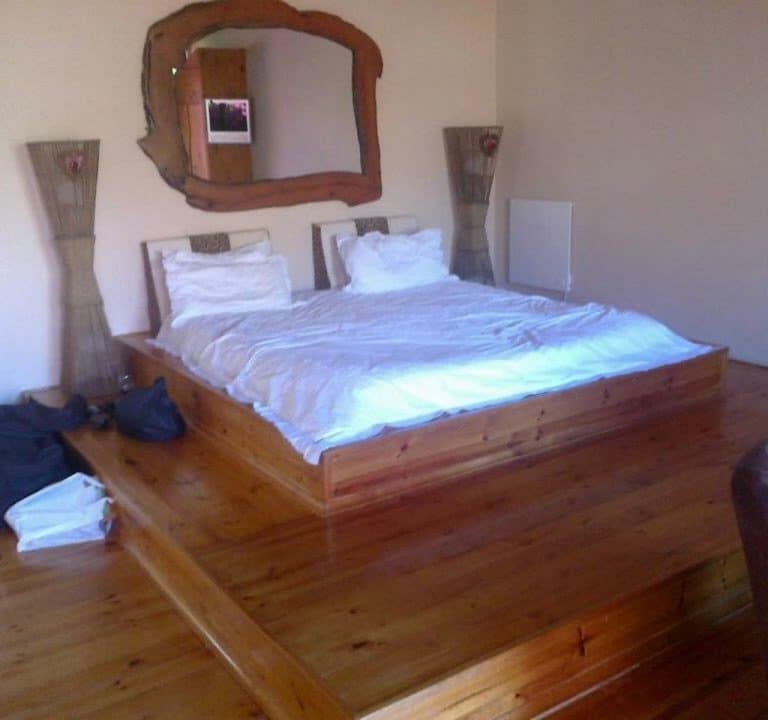
- En-suite bathrooms for convenience
- Complementary breakfast options or kitchen facilities for self-catering
- Air conditioning or heaters for seasonal comfort
- Laundry services or access to washing facilities
- Secure parking or proximity to public transport
- Fan or climate control, particularly in warmer months
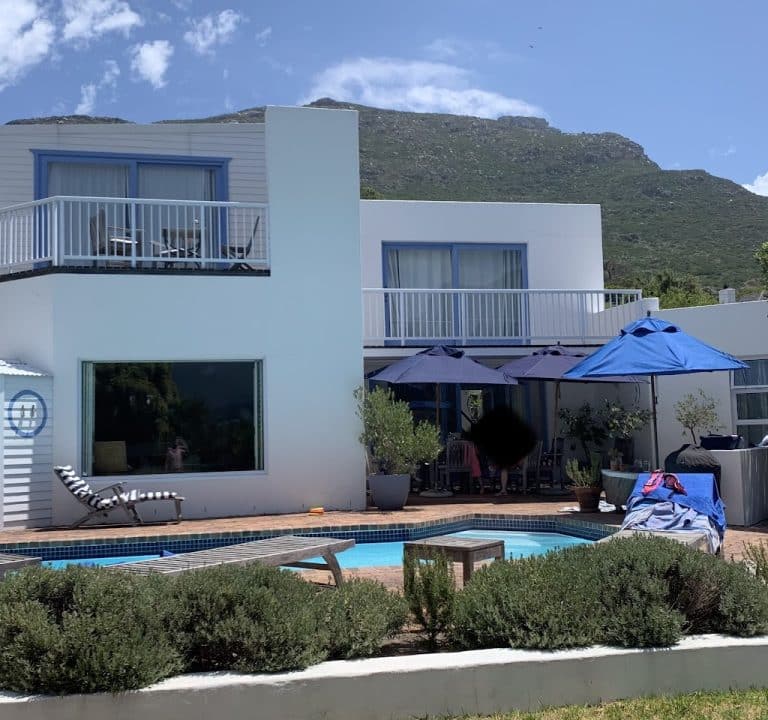
- Outdoor spaces such as terraces or balconies with mountain or sea views
Transport and getting around
Cape Town’s public transport includes buses and trains, but the most flexible option for visitors is often a car or organised tours. If you prefer to walk, many central areas are pedestrian-friendly, with easy access to pedestrianised markets, waterfront promenades, and scenic viewpoints. For longer day trips—such as the Cape Peninsula drive, Boulders Beach, or Franschhoek wine routes—consider a guided small-group tour, which can simplify logistics and provide local insights. When staying in more residential neighbourhoods, you might rely on rideshare services or local taxi options; always plan your routes in daylight hours and keep a rough timetable for peak traffic.
Best time to visit and practical considerations
Cape Town experiences a temperate climate with a strong maritime influence. Spring and autumn (September to November and March to May) are often ideal for outdoor activities: milder temperatures, vibrant coastal flora, and fewer crowds. Summer (December to February) brings longer days and busier beaches, which can be wonderful for sun seekers but busier in popular spots. Winter (June to August) is cooler and wetter, yet the city’s indoor attractions, markets, and dining scene remain appealing. Pack layers to adapt to changing weather, and plan for UV exposure even on cooler days. If you’re visiting over long weekends or holidays, book well in advance for guest houses and boutique stays, as availability can be limited during peak periods.
Practical tips for a smooth stay
- Read recent guest reviews to gauge consistency in service and cleanliness. Look for hosts who offer clear check-in instructions and a helpful welcome guide with local tips. - Confirm parking arrangements if you’ll be driving, especially in central areas where street parking can be restricted. - Consider the cancellation policy and any seasonal surcharges when you book. - If you have mobility needs or dietary preferences, check accessibility and meal options beforehand. - Honour local guidelines and respect neighbourhood norms, especially in quieter residential streets. - For a balanced itinerary, mix a few iconic experiences—such as a mountain excursion or coastal walk—with gentler days exploring markets and seaside cafés.
Attractions and dining in broad terms
As a traveller in Cape Town, you’ll find a mix of natural beauty, cultural heritage, and diverse dining scenes. From iconic viewpoints to historic museums and vibrant markets, there are countless ways to fill your days. When planning where to eat, look for places that showcase seasonal ingredients and offer a sense of place—whether a casual café by the sea or a refined restaurant with harbour views. Several districts provide lively nightlife and family-friendly venues, while coastal suburbs offer relaxed eateries with outdoor seating. For a flavour of the region, consider combining a scenic drive with a stop at a local market or café that highlights Cape flavours and hospitality.
Chapman’s Peak and the surrounding guest house milieu offer a quintessential Cape Town stay—an ideal base for exploring the spectacular coastline, mountain routes, and nearby attractions. With thoughtful planning, your accommodation can be not only a place to rest but a gateway to the city’s rich experiences and scenic splendours.