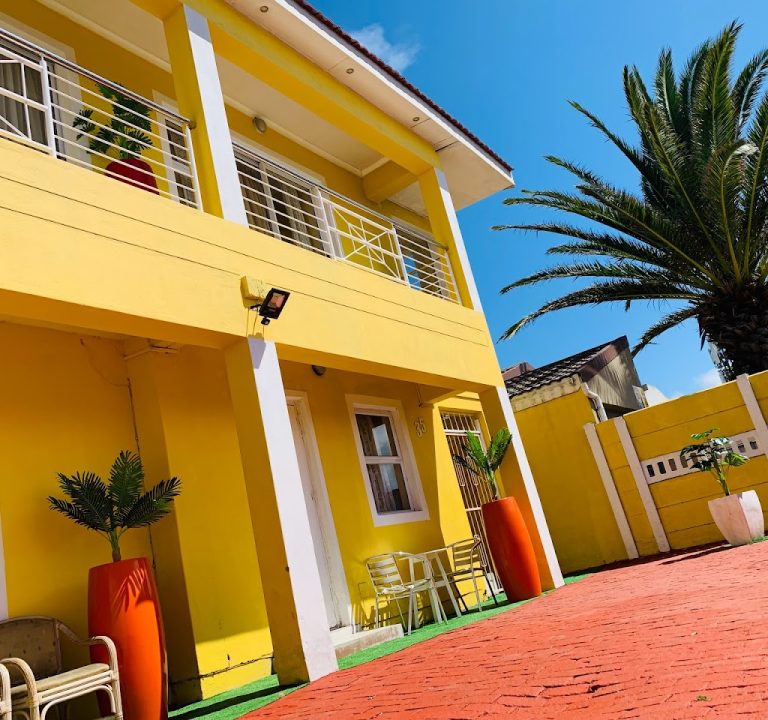
Accommodation and experiences in Cape Town: planning a memorable stay in the Western Cape
Cape Town blends dramatic scenery with diverse neighbourhoods, making it a rewarding destination for travellers seeking comfort, culture and coastal charm. When planning a stay, consider which part of the city best suits your rhythm, budget and interests. The Atlantic Seaboard offers stylish beaches and sunsets, the City Bowl puts you close to museums and markets, while Constantia and Stellenbosch provide leafy wine routes a short drive away. For a balanced itinerary, many visitors combine a few different bases, allowing easy day trips and varied experiences without long daily commutes.
For accommodation, Cape Town’s options range from boutique guesthouses tucked into residential streets to contemporary hotels along the waterfront, and self‑catering apartments with sea views. If you’re drawn to a laid‑back vibe and easy access to beaches, stay near Sea Point, Bantry Bay or Camps Bay. For culture, convenient bases include the City Centre and the V&A Waterfront, where you’ll find a mix of mid‑range and premium properties. Families often prefer the more tranquil suburbs of Constantia or the suburban pockets around the Table Mountain National Park foothills, where larger suites and gardens are common.
When booking, think about the following to get the most from your stay:
- Location versus pace: Do you want close proximity to nightlife and dining, or quieter residential streets with easy access to nature trails?
- Access to transport: Look for properties with easy access to the MyCiTi bus network, or with secure parking if you plan to hire a car.
- Room configuration: Check whether you need a balcony, a sea view, or separate living spaces for family or friends.
- Facilities and inclusions: Consider on‑site parking, a restaurant or bar, a pool, gym, and free Wi‑Fi, as well as domestic staff or 24‑hour reception if relevant.
- Hotel versus apartment style: Boutique hotels offer personalised service and common areas; serviced apartments provide more space and kitchen facilities for self‑catering.
- Safety and access: Read recent guest reviews for safety considerations, particularly if you plan to explore the city after dark.
Typical amenities you may encounter include air conditioning, complimentary breakfast, housekeeping schedules, ensuite bathrooms, and well‑equipped workspaces for business travellers. In coastal or coastal‑adjacent areas, beach towels and outdoor seating can be a bonus, while properties near the Signal Hill or Table Mountain often provide curated guest information and easy access to scenic viewpoints.
Transport is straightforward but worth planning. Uber and local ride‑hailing services are widely used, and the MyCiTi bus network links major hubs and coastal routes. If you prefer independence, a car offers flexibility for day trips to the Cape Peninsula, Cape Point, or Constantia Valley wineries. Be mindful of peak traffic times, especially around the Waterfront and central business district, and allow extra time for routes with scenic, winding roads along the coast.
The best time to visit Cape Town depends on what you want from your trip. The city enjoys a Mediterranean climate with dry summers and rainy winters. Peak sunshine and beach conditions typically prevail from late spring to early autumn (October to April), when outdoor activities—from coastal walks to vineyard tours—are especially enjoyable. Winter brings cooler, wetter weather and calmer seas, which can be appealing for museum visits, wine tastings, and off‑season pricing. Spring and autumn are excellent shoulder seasons, offering mild temperatures and smaller crowds for sightseeing and hiking.
Practical tips for making the most of a stay in Cape Town:
- Pack layers: coastal mornings can be cool, even on warm days, and the mountains can be breezy at altitude.
- Sun protection is essential: the sun can be strong year‑round, even in cooler months.
- Stay hydrated and plan for water safety when engaging in water activities or coastal walks.
- Respect some areas that have steep slopes or uneven terrain; wear supportive footwear for Table Mountain and other hills.
- Booking in advance is advisable for popular periods and well‑regarded spots, especially during school holidays and major events.
As for sights and tastes, Cape Town’s attractions offer breadth without being overwhelming. You can enjoy panoramic views from iconic viewpoints, embark on scenic drives along the Atlantic coast, or explore nature reserves and botanical gardens. In the realm of dining, expect a vibrant mix of seafood, modern South African cuisine, and cosmopolitan bistro fare, with markets and neighbourhood eateries that showcase local flavours. While names and prices are not the focus here, you’ll find delicious possibilities across the city—from casual cafés to refined, chef‑led restaurants.
For a practical stay‑inspiration anchor, consider a stay at a property such as the Abalone at Lagoon Beach, which sits near the Atlantic seaboard and offers convenient access to the lure of both sea and city. This area is ideal for travellers who want ocean breezes, easy beach access, and quick routes to major sights via coastal roads or public transport. If you’d like reassurance on planning routes, accommodation styles, or best neighbourhood fits for your travel milestones, local tourism guides and official city pages offer curated tips and practical itineraries to tailor your Cape Town visit.
Whether you’re drawn by the spectacle of the beaches, the majesty of Table Mountain, or the pleasure of fine South African dining, a well‑chosen base in Cape Town can be the cornerstone of a memorable Western Cape adventure. Start with a sense of pace that suits you, choose a central or coastal hub to anchor your days, and you’ll discover a destination that blends natural beauty with warmth, culture and easy access to some of South Africa’s finest experiences. For more ideas and planning resources, visit official tourism sites and reputable travel guides to refine your itinerary and accommodation shortlist.