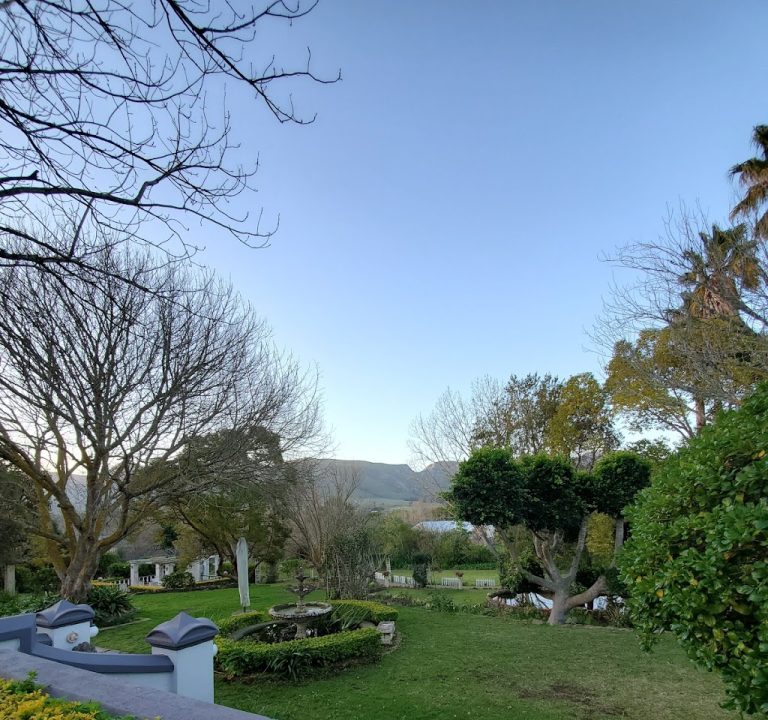
A Pinot Noir Cottage @ Sir Robert Stanford Estate is a Hotels establishment in Stanford, Western Cape, South Africa
About A Pinot Noir Cottage @ Sir Robert Stanford Estate
Situated in the historic village of Stanford in the Western Cape, A Pinot Noir Cottage sits within the broader Sir Robert Stanford Estate, a setting steeped in South Africa’s winelands heritage. At present, the estate’s online presence is under construction, with information on the property’s exact accommodation formats, on-site facilities, and specific policies not yet publicly available. This article provides a focused reflection based on the location, the ethos of the estate, and the surrounding area, offering a thoughtful backdrop for travellers considering a stay in this part of the Cape.
Stanford itself is renowned for its leafy, small-town charm, nestled between rolling vineyards and riverine landscapes. While precise details about A Pinot Noir Cottage remain forthcoming, the broader context suggests an experience rooted in tranquillity, countryside scenery, and proximity to notable winelands activities. The estate’s setting indicates an emphasis on landscape, heritage, and a sense of retreat, where visitors may anticipate a quiet, comfortable base from which to explore the region’s cultural and outdoor offerings.
Because the property’s current site status is “Under Construction,” specific information about room configurations, interior styling, amenities, and on-site conveniences is not available here. Prospective guests should expect that once the site is fully updated, details generally sought by travellers—such as types of accommodation, bathroom facilities, kitchen or self-catering options, heating or cooling, Wi-Fi availability, parking, and accessibility—will be clarified by the estate’s official materials. Until then, it remains advisable to consult the main estate website for definitive guidance and to verify any travel plans against the latest published information.
From a visitor’s perspective, the appeal of A Pinot Noir Cottage would likely hinge on a combination of a scenic rural environment, winery or vineyard ambience, and the opportunity to unwind in a setting that feels removed from city bustle, yet still connected to regional attractions. The Western Cape’s winelands region is celebrated for its dramatic landscapes, wine-tasting routes, and nearby towns offering cafés, galleries, and markets. The Stanford area, in particular, is known for its characterful streets, riverfront views, and the chance to engage with South Africa’s agricultural and artisanal culture. When fully detailed, A Pinot Noir Cottage is expected to present guests with a gateway to these experiences—whether through on-site features or curated local recommendations.
In terms of who A Pinot Noir Cottage might best serve, the surrounding area is often appreciated by couples seeking a cosy escape, travellers exploring wine routes, and visitors drawn to rural South Africa’s slow pace and natural beauty. The estate’s name—implied by the Pinot Noir reference—hints at a wine-centric or vineyard-adjacent identity, which could appeal to oenophiles and those curious about the Cape’s viticultural traditions. However, without explicit disclosures about room types or guest-facing facilities, it remains prudent to treat this as an anticipated rather than a confirmed specification until the estate provides updated details.
Nearby highlights in and around Stanford typically include the village’s historic architecture, local eateries and farm stalls, and natural attractions suitable for walking, cycling, or gentle exploration. The region’s climate and scenery contribute to a sense of outdoor leisure that pairs well with wine-tasting experiences and scenic drives along the Cape coastline routes. Travel plans should anticipate a degree of flexibility while the estate completes its online refresh, and readers are encouraged to monitor the official site for precise itineraries, activity suggestions, and travel tips as they become available.
Booking and travel tips for this destination, given the current site status, are practical and straightforward:
- Check back regularly on the estate’s official website for updates on accommodation details, including room configurations and on-site amenities.
- Look for any published itineraries or recommended local experiences from the estate to maximise a stay in Stanford and the surrounding winelands.
- Plan flexible travel dates to accommodate potential changes or refreshes to the property’s online information and offerings.
- Consider pairing a stay with broader Cape winelands routes, nature trails, and cultural stops in nearby towns to create a well-rounded visit.
- When booking, verify cancellation policies and any seasonal considerations relevant to Cape wine country travel.
For those interested in exploring further or making preliminary plans, the official website remains the primary source of up-to-date information and direct booking opportunities. Visitors can explore the broader Sir Robert Stanford Estate and Stanford’s relaxed charm, while anticipating additional details about A Pinot Noir Cottage as the estate completes its site refresh. The address, regional context, and general appeal of the area underscore a travel experience rooted in countryside elegance, gentle pace, and the allure of South Africa’s Cape winelands.
Website: Robert Stanford Estate
Stanford
Western Cape
7210
South Africa


Accommodating Stanford: where to stay and what to do in the Western Cape
Stanford, a charming village tucked between the Berg River and rolling vineyards in the Western Cape, offers an intimate base for travellers seeking a relaxed, slow-paced escape. The area is known for its heritage architecture, scenic river walks, and a growing selection of accommodation that suits couples, families, and solo explorers. When planning a stay, consider a mix of village-centre stays for easy access to eateries and gallery spaces, and quieter pastoral options on the outskirts for a more tranquil countryside experience.
Accommodation in Stanford ranges from boutique B&Bs and guesthouses to self-catering cottages and country inns. A Pinot Noir Cottage at Sir Robert Stanford Estate is one example of a self-contained option that blends wine country romance with convenient access to the estate grounds. Many properties emphasise a personalised approach, with hosts who can share local tips on wine farms, nature trails, and a handful of nearby eateries. Facilities commonly available include private patios or balconies, outdoor seating areas, reasonably sized kitchens or kitchenettes, and heating or cooling to match the seasons. When booking, look for private parking, reliable Wi‑Fi (useful for planning day trips), and flexible check-in arrangements, especially if you intend to explore early or late in the day.
To get the most from your stay, consider the practicalities of location. Staying near the village centre offers straightforward access to cafes, shops, and small attractions, while countryside lodgings provide more expansive views and a deeper sense of place. If you’re driving, check whether your chosen stay offers on-site parking and whether the route to popular day trips is straightforward by car. For those relying on public transport or bicycles, assess the proximity of the lodging to main roads and cycle paths, and confirm whether luggage storage or bike facilities are available.
Typical amenities to expect include en-suite bathrooms with good water pressure, clean contemporary décor, and well-equipped kitchens or kitchenettes for preparing simple meals. Many properties provide fresh, rustic breakfasts with locally sourced produce, reflecting Stanford’s agricultural roots. Some offers may extend to curated experiences such as wine tastings, guided nature walks, or cellar tours, so look for hosts who can arrange local activities and share tips on seasonal events.
When planning an itinerary, Stanford serves as a gateway to broader wine-country exploration. The surrounding region is well-suited to day trips that combine vineyard visits with scenic drives, river viewpoints, and small heritage sites. For food and drink, you’ll find a handful of friendly eateries within reach of most stays, offering lunch or dinner options with a focus on farm-to-table ingredients and regional staples. It’s wise to reserve tables ahead of peak periods, particularly on weekends or during harvest seasons, to secure a comfortable dining experience without long waits.
Best time to visit Stanford tends to be during the spring and autumn, when temperatures are mild and the countryside is at its most picturesque. Spring (August to October) brings fresh growth and the first signs of vineyard activity, while autumn (March to May) offers crisp air and harvest atmosphere. Summer visits are popular for longer daylight hours and river-side strolls, though it can be busier on weekends. Winter in Stanford is typically quiet, offering cosy stays by a fire in many guesthouses and cottages, with fewer crowds and a slower pace.
Practical tips to help you plan:
- Book accommodation with clear cancellation policies in case plans change.
- Ask hosts about best routes for day trips and any seasonal access notes, such as roadworks or weather-related detours.
- Pack layers for variable weather, especially if you visit in shoulder seasons when mornings and evenings can be cool.
- Bring comfortable footwear for gentle hikes or riverside strolls, and a compact bag for short excursions.
- Respect the local environment and winelands by sticking to designated paths and disposing of waste thoughtfully.
When choosing where to stay, consider how the accommodation supports your overall plan. A stay in the heart of Stanford makes it easier to explore on foot, chat with friendly locals, and pop into small galleries or studios between meals. If you’re aiming to visit multiple wine farms or nature reserves in a day, a rustic country base a short drive from the village can be more convenient than a centre-located option.
For more information on potential stays, you can visit the estate’s site, which offers an overview of room types and experiences available nearby. While specific names, prices, or awards should be verified at booking time, the region’s hospitality tends to emphasise warm hospitality, comfortable rooms, and the sense of place that makes Stanford a memorable base for travellers exploring the Western Cape’s wine country. Consider pairing your stay with nearby activities that blend outdoor exploration with cultural and culinary discoveries, and you’ll have a well-rounded visit to this picturesque corner of South Africa.
Sorry, no records were found. Please adjust your search criteria and try again.
Sorry, unable to load the Maps API.
Why Claim Your Listing?
Claiming your listing on the B&B Finder directory website is a valuable opportunity for business owners. Here are five reasons why you should consider claiming your listings:
Control Over Business Information: By claiming their listing, business owners can ensure that all the information presented is accurate and up-to-date. This includes details such as contact information, address, pricing, and available services or amenities. Accurate information helps prevent customer confusion and improves overall satisfaction.
Enhance the Listing: Once a listing is claimed, owners can enhance it by adding more comprehensive information and rich media, like high-quality photos and videos. These additions can make the listing more attractive and engaging to potential customers, thereby increasing the likelihood of bookings.
Marketing Opportunities: Claiming a listing can also open up additional marketing opportunities. Owners may be able to participate in promotional campaigns, special offers, and other marketing activities organized by the directory. This can increase visibility and attract more customers to the business.