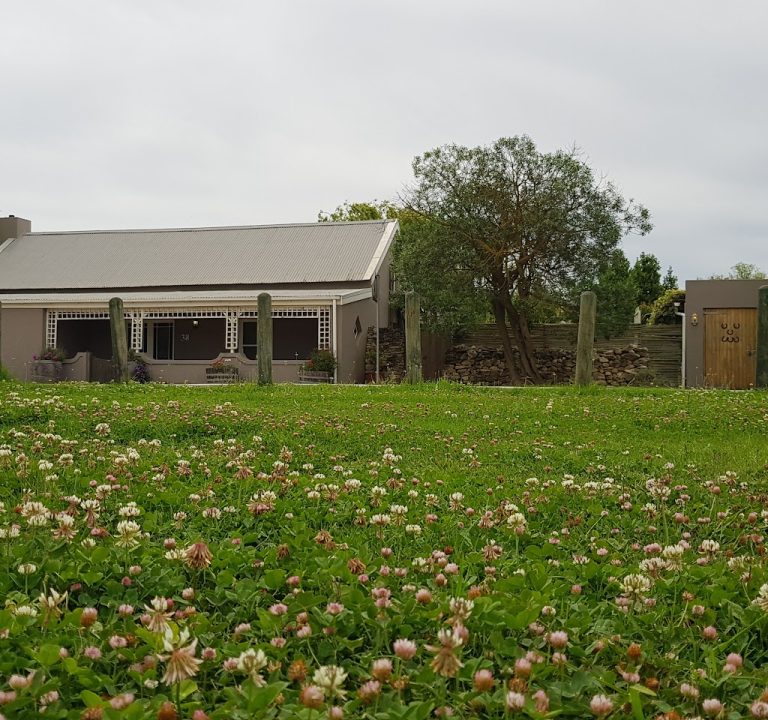
Accommodation and experiences in Stanford, Western Cape
Stanford, a charming village tucked between the Klein River and the rolling valley countryside of the Western Cape, offers a welcoming mix of heritage guesthouses, cosy B&Bs and small boutique lodges. When planning a stay, think about the atmosphere you want—quiet rural scenery, proximity to the river and gardens, or easy access to surrounding wine estates and olive groves. The town is compact enough to explore on foot, yet well placed for day trips to nearby coastal towns, nature reserves and nature trails.
Accommodation options in Stanford range from intimate guest houses to purposefully designed retreats that retain a sense of both comfort and character. A typical guest house in the area might feature private entrances, en-suite rooms, and a relaxed living or garden area where guests can mingle or unwind. Common amenities include free Wi‑Fi, tea- and coffee-making facilities, several rooms with fireplaces for cooler evenings, and shaded outdoor spaces ideal for a relaxed breakfast or an evening drink. Some properties may provide self-catering or room-only options, while others offer full breakfast and occasional dinner menus. When booking, consider whether you prefer a traditional Cape Dutch aesthetic, a modern minimalist style, or a family-friendly setting with space for children and pets.
Where to stay in Stanford largely comes down to your priorities. The village centre is a convenient base for mooching along quaint streets, visiting local craft shops, and dining at nearby eateries. If you value tranquil garden surroundings, seek out properties with sunlit courtyards, indigenous plantings, or water features. For those who prefer a little more seclusion, look for a guest house set back from the main roads, with a private veranda or patio, and ample off-street parking.
Transport around Stanford is straightforward. The village is walkable, and many guest houses offer secure parking. If you plan to explore beyond Stanford, renting a car is the most convenient option, as day trips to neighbouring towns and wine farms are common. A few properties can arrange transfers or recommend reliable local guides, which can be helpful for tastings, olive-press tours, or river walks. When booking, check whether your accommodation provides guidance on routes, best driving times, and potential traffic considerations during peak tourism periods.
Best time to visit Stanford is linked to the seasons and what you want from your trip. Spring (September to November) brings wildflowers and milder temperatures, making outdoor strolls particularly pleasant. Summer (December to February) offers longer days, excellent river and garden scenery, and the chance to linger over meals outdoors. Autumn (March to May) tends to be quiet with clear skies and a calm pace, ideal for relaxation. Winter (June to August) can be cooler, so look for cottages or guest houses with heating and cosy common areas. Regardless of season, plan some time to experience the local landscape—river walks in the Klein River valley, nearby nature reserves, and scenic drives through the valley are a highlight of a stay in Stanford.
Practical planning tips help get the most from your visit. Book well in advance if you travel over weekends or during the peak spring and autumn periods, as accommodation can be limited and popular. When you compare options, consider these factors:
- Proximity to the village centre versus a secluded setting, and the walking routes or drives you’d prefer.
- Availability of on-site parking and secure storage for bicycles or outdoor gear if relevant.
- Whether breakfast is included and if dietary requirements can be accommodated.
- Access to outdoor spaces such as patios, gardens, or sun decks for enjoying the countryside air.
- Wi‑Fi reliability if you need to work or stream during your stay.
Attractions and activities in and around Stanford can complement a relaxing stay. You’ll likely encounter picture-perfect riverbank walks, historic houses and verdant farmland. Nearby, there are opportunities to visit wine estates, olive groves and farms that offer tastings, seasonal produce, and farm-to-table dining experiences. For visitors keen on culture and history, Stanford presents a sense of place with colonial architecture and heritage routes that showcase the town’s rural South African character. Dining options in the area tend toward fresh, seasonal menus, with ingredients sourced from local farms and gardens. While specific restaurant names and offerings evolve, expect a range of informal eateries and refined venues that pair well with a day of exploration in the valley.
Practicalities and tips for a smooth stay include checking the weather forecast, packing layers for cooler evenings, and bringing a light jacket during spring or autumn visits. It’s sensible to have a map or offline navigation ready for detours off the main roads, as some routes between farms and nature reserves can be scenic but less obvious. If mobility is a consideration, confirm accessibility details with your host in advance to ensure rooms, bathrooms, and entryways suit your needs. Finally, a balanced itinerary that blends restful days at your accommodation with a couple of short excursions—perhaps a river walk, a visit to a local farm shop, or a scenic drive through the valley—will help you absorb the tranquillity and charm that make Stanford a distinctive Western Cape stopover.
For guests seeking a comfortable base with easy access to countryside beauty and local hospitality, Stanford’s guest houses and lodges offer a thoughtful blend of creature comfort and rural appeal. The village’s character—the boutique inns, the gardens, and the surrounding farmland—creates a hospitable environment where visitors can unwind, reassess their pace, and enjoy the region’s natural and culinary rewards. If you are considering a stay with Galashiels Lodge or similar establishments, you’ll typically find a warm welcome, well-appointed rooms, and a flavour of the South African countryside that stays with you long after you leave.