Staying in Swellendam: where to stay, what to do, and how to plan your visit
Swellendam, in the Western Cape, offers a graceful mix of historic architecture, surrounding wine routes and mountain scenery, making it a compelling base for a relaxed South African break. When planning a stay, consider the different neighbourhoods and settings available—from village-centre B&Bs with easy access to shops and cafés, to country-house retreats just outside town that offer more space, gardens and a touch of seclusion. The town’s compact size makes it feasible to explore on foot, but your choice of base will shape how you experience the area on day trips and longer excursions.
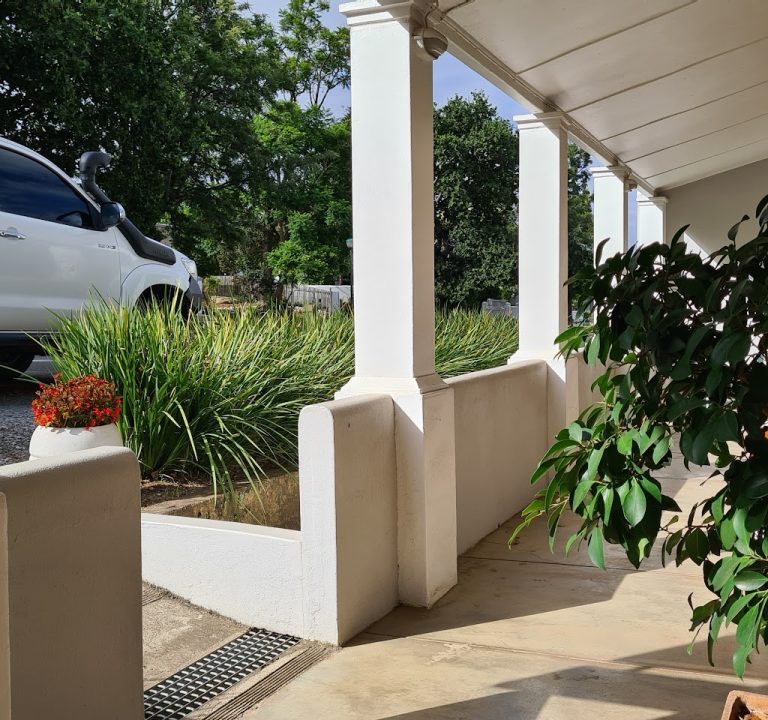
A Grace Walk Bed and Breakfast, for example, sits within a residential area that gives guests a sense of local life while being close to the town centre’s amenities. If you prefer a quieter, rural ambience, seek out guesthouses or small lodges on the outskirts where you can wake to birdsong and take morning walks along nature trails. For those who favour period charm, a historic inn or a boutique hotel within the town’s leafy lanes can offer elegant interiors, antique touches and a strong sense of place. Whichever option you choose, look for clear details about parking, noise levels, accessibility and the availability of self-catering facilities if you anticipate longer stays.
Typical amenities to expect include a comfortable bed with fresh linen, daily housekeeping options, private or en-suite bathrooms, reliable Wi‑Fi, and a welcoming communal space such as a lounge or reflection garden. Many properties in Swellendam also offer a quaint dining experience, with breakfast included and the option to arrange dinner or light meals. If you travel with a vehicle, confirm the availability of on-site parking or nearby street parking, and check whether transport to nearby attractions requires a car or is feasible via local taxis or rideshare services.
When planning your stay, keep in mind the town’s layout and the distance between your accommodation, the centre, and any planned day trips. Swellendam is a gateway to Marloth Nature Reserve, the Langeberg mountains, and the surrounding wine estates, so a central base can reduce daily travel time and allow for leisurely mornings and late afternoons in the sunshine. If you intend to explore by bicycle or on foot, you’ll want a property with safe storage or easy garage access for cycles and a pleasant garden or courtyard for post-ride relaxation.
Best time to visit Swellendam is tied to the seasons and what you want from your trip. Spring (September to November) brings fresh blooms and milder temperatures, ideal for outdoor activities. Summer offers longer days and ample opportunities for hiking and wine-tasting itineraries, though afternoons can be warm. Autumn presents a quieter period with pleasant cool-downs and colourful scenery, while winter can be cooler and more tranquil, with cosy fireplaces in several guesthouses adding a warm, intimate feel to your stay. If you plan to drive between the town and nearby estates, a well-maintained car or a reliable tour operator can simplify logistics, especially if you’re visiting during peak holiday periods.
Booking tips to help you choose wisely:
- Read guest reviews focusing on cleanliness, hospitality, and accuracy of the property description.
- Check for clear cancellation policies and flexible booking options in case your plans shift.
- Look for hosts who can provide local recommendations for restaurants, picnic spots, and nature walks.
- Consider travel times to your desired day trips and whether you’ll be comfortable driving in rural roads.
- Research nearby dining options and whether breakfast or dinner is included or available on request.
General attractions you’re likely to encounter in Swellendam include historic streets with ushers and verandas that speak to the town’s Dutch settlement heritage, welcoming gardens, and escarpment views. Natural landscapes nearby offer opportunities for short ambles as well as longer hikes, with chances to see fynbos flora, birdlife and sweeping valley vistas. For visitors with an interest in food and wine, the surrounding area features a selection of farms and estates that often provide tastings or cellar doors, even if you keep the day trips light and relaxed. In Swellendam town itself, you’ll find visitor information that helps plan a day around architecture, markets, and local crafts, with a focus on the town’s character and slower pace compared with larger cities.
Restaurants in and around Swellendam tend to emphasise seasonal, locally sourced ingredients, prepared in uncomplicated, heartful ways. You can expect a range of options from casual cafés to intimate dining rooms. When planning where to eat, it’s worth booking ahead, especially in peak seasons, and asking hosts for recommendations that align with your dietary preferences and desired pace of the day. If you’re exploring the wine route, designate at least one afternoon for a relaxed tasting and a light bite at a nearby estate, allowing time to enjoy the scenery and the countryside atmosphere beyond the town core.
Practical planning notes for a comfortable stay:
- Carry small notes of the town map and nearby routes; mobile data can be handy, but some areas may have patchy service.
- Pack layers for variable weather, including a light rain jacket for shoulder seasons.
- Bring a reusable water bottle and respect local conservation practices in nature areas.
- Check the distance from your accommodation to the centre, grocery shops and access points to larger routes or the next town.
- Stay flexible with day-trip plans to take full advantage of Swellendam’s easy, unhurried pace.
Ultimately, choosing the right place to stay in Swellendam hinges on your preferred balance of comfort, character and proximity to the town’s historic core and the surrounding countryside. Whether you favour a cosy guesthouse with personal touches or a modest boutique retreat with a peaceful garden, Swellendam rewards thoughtful planning with memorable experiences, delicious meals, and a gateway to the Western Cape’s scenic beauty.