Staying and Exploring Swellendam: Accommodation, Attractions and Practical Tips
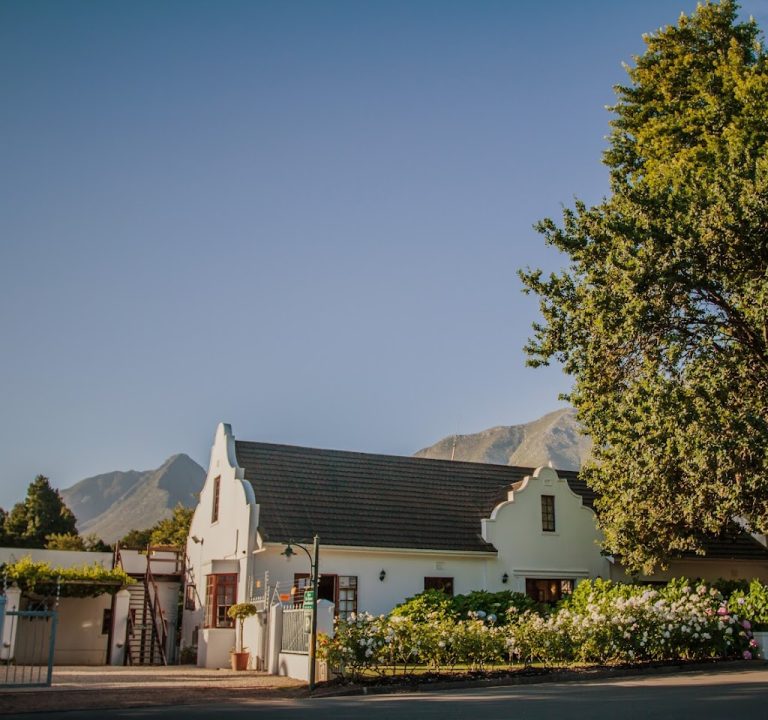
Swellendam in the Western Cape is a historic town that blends pioneer charm with modern comfort, framed by the Langeberg mountains and a welcoming hospitality scene. When planning a stay, consider where you want to base yourself: the town centre for easy access to cafés, shops and heritage sites; the surrounding farmland for quiet, scenic views; or a riverside or coastal-facing option for a more tranquil escape. Serviced accommodation such as Bergview Guesthouse Swellendam offers a convenient base with the comfort and flexibility of a locally managed stay, while independent boutique guesthouses, family-run lodges and self-catering cottages provide a range of atmospheres to suit different itineraries.
Accommodation in Swellendam generally covers a spectrum from intimate B&Bs and guesthouses to self-catering units and small hotels. When booking, look for clear details on room types, privacy, and access to common areas. Check whether the property offers on-site parking, easy access for longer stays, and whether housekeeping schedules align with your plans. If you require self-catering, confirm the size and layout of the kitchen, the presence of essential appliances, and whether there is a supermarket or market nearby for provisioning. For travellers seeking a touch of luxury or a curated experience, some properties may offer curated breakfasts, guided walks, or wine-tasting recommendations in the vicinity.
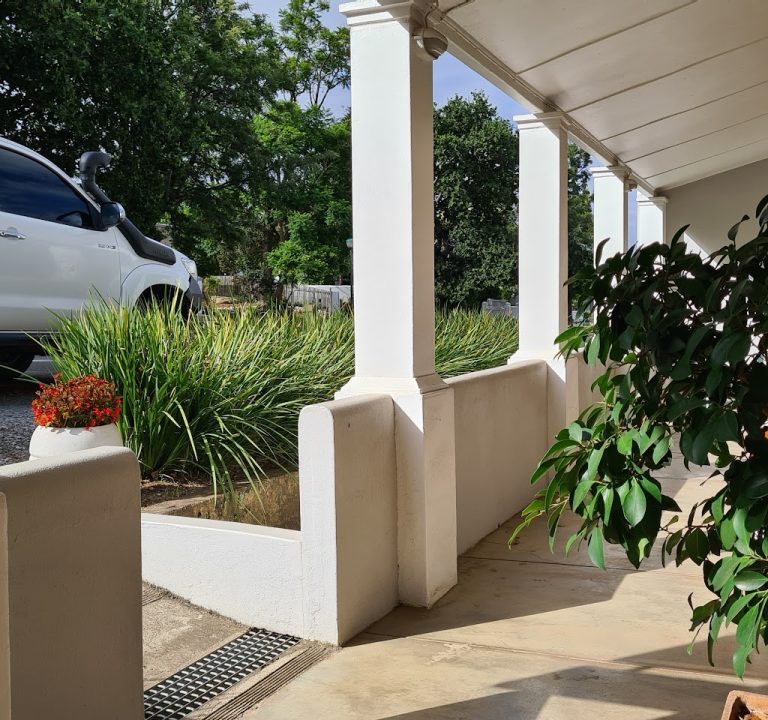
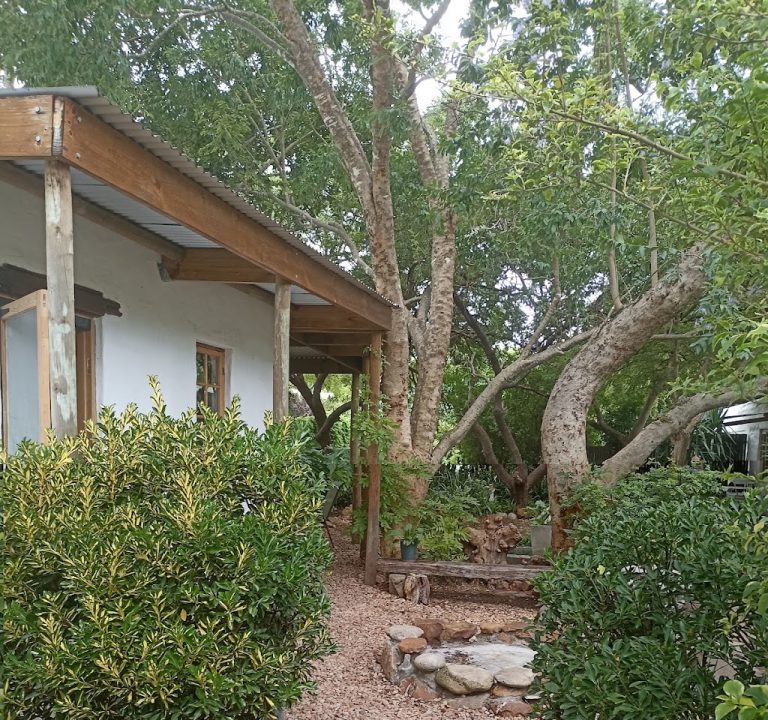
Typical amenities to expect include ensuite bathrooms, reliable heating or cooling, comfortable bedding, and dependable Wi‑Fi. Many properties in Swellendam provide outdoor spaces such as verandas, patios, or small gardens, which can be especially appealing in spring and autumn when the days are mild. If you’re travelling with children or pets, filter options accordingly, and verify any restrictions or extra charges. For longer stays, a kitchenette or kitchenette-equipped apartment can make a big difference to convenience and budgeting. Consider whether you prefer a traditional heritage house with period features or a more contemporary, spacious layout for families or groups.
Transport in and around Swellendam is straightforward but practical planning pays off. The town is best discovered on foot or by bicycle in the centre, but car hire or a private transfer is useful for exploring the surrounding nature reserves and farmlands. If you fly in, the nearest larger international gateways are a few hours away by road, so scheduling a few overnight stops nearby can help reduce travel fatigue. Once you’re there, a car makes it easier to visit vineyards, nature trails, and the greenhouse gardens that thrive in the region. Local taxi services and rideshares may be available, but confirm arrangements with your accommodation host in advance, particularly for evening outings.
The best time to visit Swellendam depends on your preferred activities. Spring (September to November) brings colourful gardens and pleasant hiking weather, while autumn (March to May) offers cooler, comfortable days and fewer crowds. Winter can be cool and wet, which suits cosy accommodation with fireplaces or efficient heating, and summer is warm with opportunities for river walks and nature excursions. Always check the local forecast and seasonal events when planning your itinerary, as Swellendam hosts markets, exhibitions and cultural happenings that can enrich a longer stay.
Beyond where you sleep, plan your days around the town’s highlights and the wider Overberg region. Swellendam’s historical core invites leisurely strolls to admire well-preserved architecture, museums, and art studios that reflect the town’s rich past. For outdoor enthusiasts, nearby nature reserves offer hiking, birdwatching and viewpoints that showcase the dramatic landscapes of the Langeberg and the Green Mountain surrounds. Day trips can include visiting nearby farms, wine estates and bistros that celebrate local produce, with many venues welcoming visitors for tastings or seasonal meals. In terms of dining, Swellendam has a range of family-friendly cafés, casual bistros and fine dining options. Rather than focusing on single-name claims, look for places that emphasise fresh, regional ingredients and a relaxed atmosphere that suits your itinerary and pace.
When choosing where to eat and what to do, consider practical tips that help you maximise the stay. Book accommodation well in advance for peak seasons or weekends, and confirm access times for check-in and check-out. If you’re self-catering, stock up early in the week at local markets or supermarkets, and ask hosts about nearby food shops and delivery options. Use a map or digital planning tool to plot a sensible route that minimises backtracking—this is especially useful when combining a morning hike with a late lunch or a museum visit. For a more relaxed schedule, reserve one day for winding through the town’s historic streets, and allocate another day to a longer nature walk or a winery visit. Always carry a light layer, sunscreen and water for outdoor explorations, and respect private properties and protected areas when you’re venturing beyond the town core.
To help you plan, you may wish to check official tourism pages for Swellendam and the wider Western Cape, which often provide practical tips, maps and seasonal recommendations. Online resources and property websites can offer room configurations, guest reviews and photos that help you compare options before you book. Whether you’re seeking a cosy, homely stay at a serviced accommodation such as Bergview Guesthouse Swellendam, or a more self-contained retreat, Swellendam offers a balanced blend of comfort, character and access to nature that makes for a refreshing South African escape. For further inspiration, you can visit regional tourism portals and explore suggested itineraries that combine town highlights with scenic drives and outdoor activities.