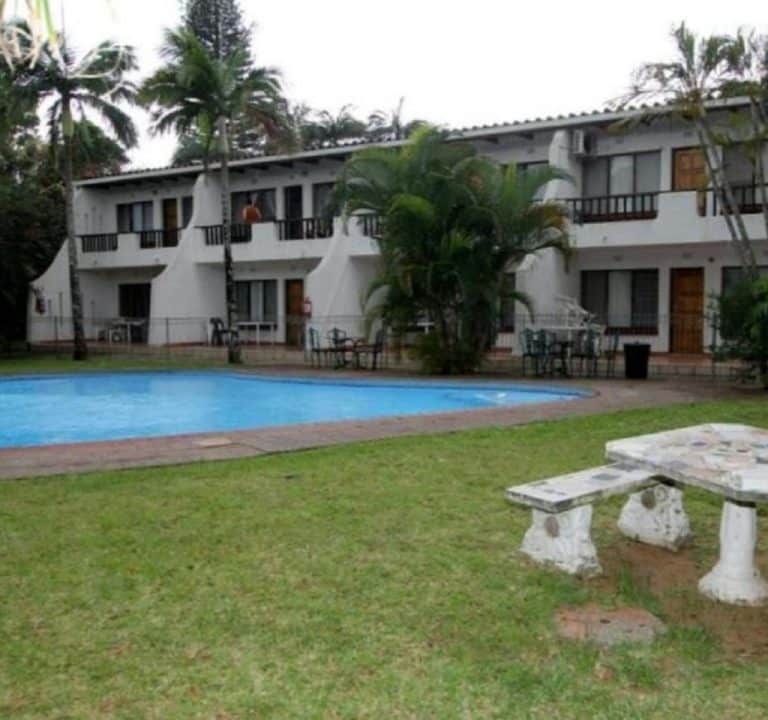
St Lucia, KwaZulu-Natal: accommodation and visitor guide for a memorable stay
St Lucia in northern KwaZulu-Natal is a small town packed with wildlife, water, and a warm South African welcome. It sits at the edge of the iSimangaliso Wetland Park, a UNESCO World Heritage Site, where the network of lakes and estuaries draws herds of hippos and Nile crocodiles by day and a variety of birdlife by the shore. The town is well suited to travellers seeking a relaxed base from which to explore both nature and local culture, with a range of accommodation options that span eco-lodges, guesthouses, boutique hotels, and family‑friendly self‑catering houses.
When planning a stay, consider what you want most from your getaway. Do you favour a comfortable, fully serviced room near the town’s amenities, or a more secluded lodge with wildlife-viewing opportunities on your doorstep? St Lucia’s accommodation often varies by setting: riverside lodges with deck-based viewing, central guesthouses close to cafés and shops, or rural retreats just outside the village where nature trails start right from the doorstep. The town’s compact size makes most places reachable on foot or with a short taxi ride, but a hire car is convenient for day trips into the park or along the coastal road to other coastal reserves.
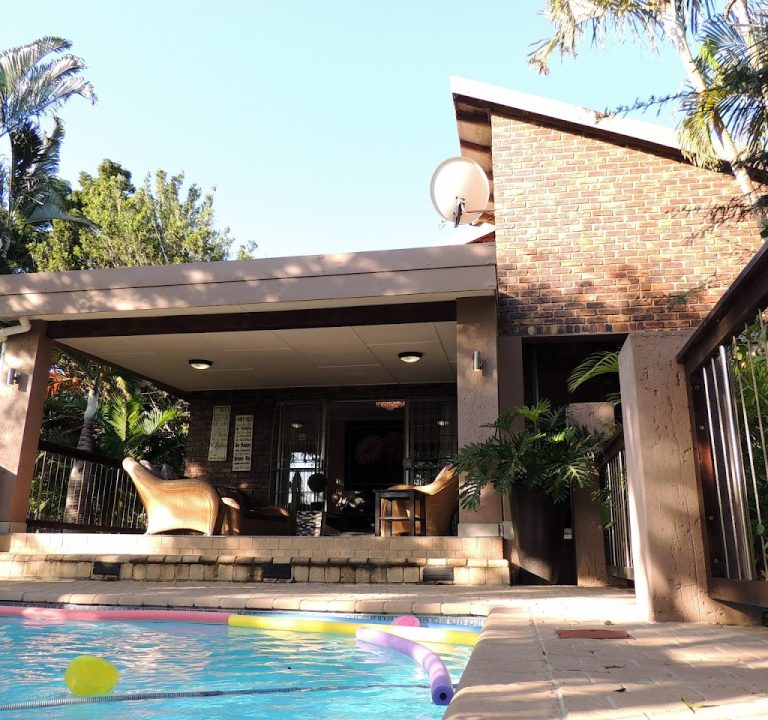
Typical amenities in St Lucia’s best‑loved options include air‑conditioning or ceiling fans, comfortable en‑suite bathrooms, and free Wi‑Fi. Many properties offer plunge pools or hot tubs, communal lounges, and outdoor seating that invites quiet evenings under the stars. Self‑catering stays are easy to arrange in several guesthouses and cottages, while boutique lodges often pair daily housekeeping with on‑site dining or brunch menus that showcase light, modern South African flavours. When you book, check what meals are included, whether safaris or boat trips can be arranged through the property, and if there are any guided tours or transfers available on site.
Areas to consider as you choose your base include:
- Central St Lucia: Close to restaurants, shops, and boat launch points for lagoon cruises. It’s convenient for couples and families who prefer walkable access to amenities.
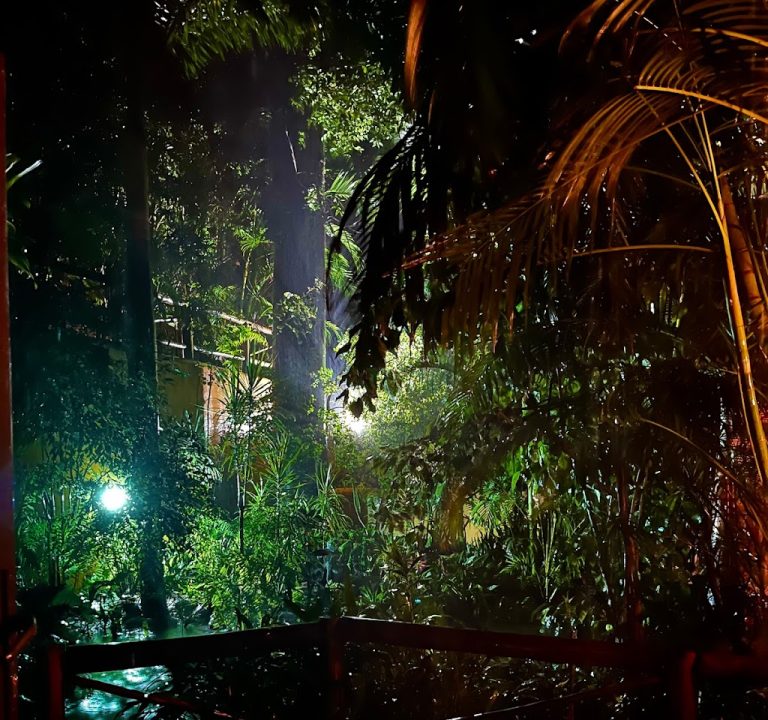
- Riverside or lodge clusters on the outskirts: Often provide more seclusion, wildlife sightings from the property, and quiet evenings with fewer crowds.
- Near the park gates or entrance routes: Easy for park drives at dawn or dusk when wildlife is most active, though it may mean heavier vehicle traffic and a short transfer back to your base after tours.
To make the most of your visit, think about transport between your accommodation, the park, and the dining options. A rental car gives flexibility for self‑driven game drives or day trips, while guided tours from your host or a local ranger can enhance wildlife spotting with expert commentary. If you plan to join boat trips along the estuary, check opening times and whether these excursions operate from the days you’ll be there, as tidal conditions can influence schedule and wildlife visibility.
Best time to visit St Lucia straddles two seasons. The dry season from May to October tends to bring clearer skies, easier wildlife viewing, and comfortable daytime temperatures, though evenings can be cooler. The wet season, from November to March, brings lush landscapes and excellent birdwatching opportunities, but higher humidity and afternoon showers are common. Consider your priorities—wildlife densities, water levels, and the serenity of the surroundings—and you’ll choose the right window for your stay. For birdwatchers, the estuarine area is particularly rewarding at dawn and dusk.
Practical tips to help you plan a smooth stay:
- Book early for peak periods such as school holidays or long weekends, especially if you want a specific lodge or a riverside suite.
- Prepare for warm days and cooler evenings; pack light layers and a waterproof layer for possible showers.
- Bring binoculars and a good camera for wildlife and birdlife opportunities around the estuary and park entrances.
- Respect park rules and local guidelines, particularly at water’s edge and during guided boat trips.
- Safety and accessibility: keep valuables secure and use reputable operators for tours and transfers.
- Access to information: many accommodation providers offer maps, local dining suggestions, and weather updates to help you plan activities day by day.
Dining in St Lucia ranges from casual cafés to more polished eateries, with a focus on fresh seafood, farm‑to‑table ingredients, and modern South African dishes. Rather than relying on specific names, look for places with friendly service, good reviews, and a relaxed vibe that suits your itinerary. Evening dining out can be followed by a sunset stroll along the river or estuary, which is a pleasant way to end a day in this coastal‑inland paradise.
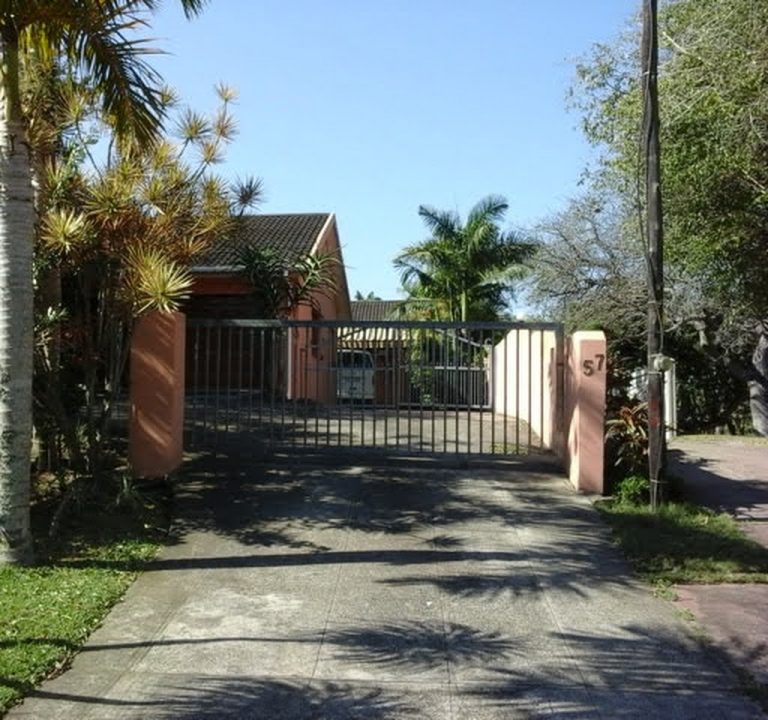
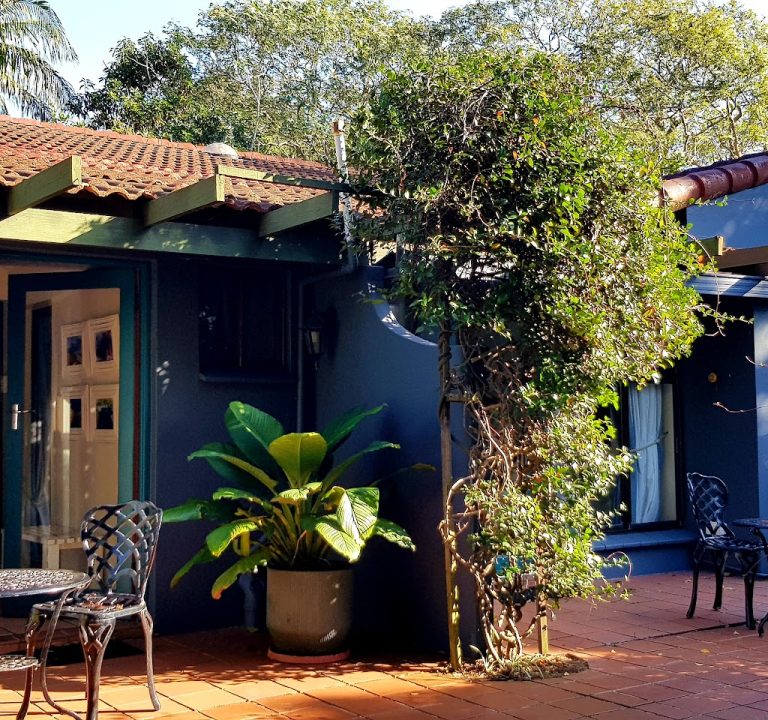
As a practical example of accommodation rooted in the local offering, one property to consider is 57 Pelican Street, a lodge setting that embodies the intimate, guest‑centred approach found in St Lucia. For more information about options and availability, visit their official website: 57 Pelican Street Lodge.
With careful planning, St Lucia offers a balanced mix of wildlife, relaxation, and convenient access to facilities. Whether you choose a waterside eco‑lodge, a central guesthouse, or a self‑catering retreat, you’ll have a comfortable base from which to explore the lagoon, the park, and the wider KwaZulu‑Natal coast.