St Lucia, KwaZulu-Natal: Where to stay, what to do, and how to plan your visit
St Lucia in KwaZulu-Natal sits at the mouth of the iSimangaliso Wetland Park, a UNESCO World Heritage Site renowned for its biodiversity, tranquil waterways and warm, welcoming guest accommodations. The town's charm lies in its relaxed atmosphere, easy access to nature and a handful of handy eateries, making it a popular base for safaris, birdwatching and waterfront strolls. Whether you are seeking a self-catering retreat, a serviced apartment, or a cosy guesthouse, St Lucia offers a range of options to suit different budgets and travel styles.
Accommodation in St Lucia tends to cluster near the town centre and along the waterfront. Serviced apartments and guesthouses provide a convenient home-from-home experience, often featuring kitchens or kitchenettes, comfortable lounges and on-site parking. For longer stays or families, look for properties that offer private entrances, secure access, and easy access to the town’s small conveniences, as well as proximity to the main reserve gates. If you prefer a more boutique or intimate setting, there are several small lodges and guesthouses tucked away in leafy streets, offering personalised service and a slower pace.
One practical option to explore is to consider staying in a serviced accommodation that presents a flexible base for day trips. Properties marketed as serviced or self-catering can provide a blend of hotel-style convenience and home comforts, with housekeeping on certain days, linen/towel supply, and sometimes a communal pool. When booking, check what is included in the rate—whether meals are available, how often housekeeping is provided, and whether there is 24-hour reception or on-call assistance. For travellers who appreciate a local feel, staying in a family-run guesthouse or a small lodge can deliver insights into the area’s rhythms and recommendations for offbeat activities.
Areas to consider when planning your stay include the town centre and the riverfront, which are within easy reach of supermarkets, cafés and boat tours. The wider iSimangaliso area offers immersion into coastal ecosystems, wetlands, and beaches. If you enjoy a quieter retreat, opt for a lodge on the outskirts where birdlife and foxglove sunsets are more likely to feature in your days. For families or groups, a self-contained unit with a private veranda and safe parking can make evenings more relaxed after a day of exploring the lakes and channels.
Typical amenities to look for include reliable air conditioning or ceiling fans for humid summer days, secure parking, and good blackout curtains for restful nights. A well-equipped kitchen or kitchenette is convenient for longer stays, as are reliable Wi-Fi connections if you plan to work remotely or keep in touch with friends and family. Access to a swimming pool, braai or barbecue facilities, and communal outdoor spaces are popular features in St Lucia’s climate. Check whether the property provides daily or regular housekeeping, linen replacements, and a clear policy on noise and quiet hours, especially if you are travelling with children or elderly guests.
Transport in St Lucia is practical if you plan to explore beyond the town. Most visitors rely on a rental car to access the park gates, beaches, and secondary attractions. Some guesthouses and serviced apartments offer shuttle services or arranged tours, which can simplify logistics for visitors without own transport. If you intend to visit iSimangaliso Wetland Park, plan a day for wildlife viewing by boat or land-based safaris, and consider guided tours for the best chances of spotting hippos, crocodiles and a variety of birdlife. In town, you’ll find a compact hub of shops and eateries within walking distance of many accommodation options, with taxis or ride-hailing services available if needed.
Best time to visit St Lucia ties into its climate and wildlife highlights. The warm wet season from October to March can be excellent for birdwatching and marine life, though the humidity and rain can be higher. The cooler, dry months from May to August are popular for outdoor activity and priming for wildlife sightings, when conditions are often more comfortable for long walks and boat trips. The shoulder seasons—April and September—can offer a balanced experience with pleasant weather and quieter attractions. Pack light layers, sun protection, and a lightweight rain jacket, and be prepared for heat if you travel during peak summer months.
Practical tips to help plan your stay:
- Book early for peak‑season periods and school holidays, particularly for accommodation close to the riverfront or park entrances.
- Check access routes to the iSimangaliso gates and potential start times for wildlife activities, as some tours operate only at specific times of day.
- Ask hosts or managers about water safety on waterways, as waterways can vary in depth and currents.
- Read cancellation policies carefully and confirm what is offered if your plans change.
- Look for properties with flexible check-in times or 24-hour contact options to ease arrivals after long travel days.
Dining in St Lucia is approachable and informal, with a selection of cafés and casual eateries that showcase local produce and seafood. Many dining spots emphasise relaxed al fresco gatherings, making it easy to pair meals with riverside strolls or sunset strolls along the estuary. For a taste of local hospitality, consider staying somewhere that can offer aspirational, easy-going recommendations for not-to-be-missed experiences, such as guided nature walks, boat safaris and nature reserves, or simple water‑side picnics at sunset.
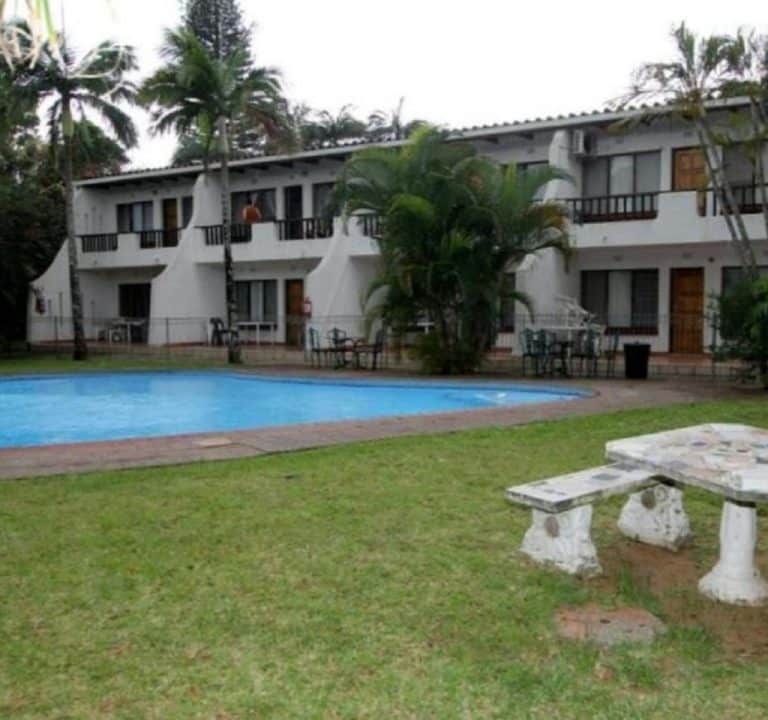
For travellers seeking a convenient, self-contained option, Villa Mia 9, St Lucia represents a good example of serviced accommodation. Located in a central area with easy access to local amenities and attractions, it provides a comfortable base with the practical benefits of serviced living. More information and booking options can be found at Nightsbridge – Villa Mia 9.