Accommodation and Experiences in Cape Town: Planning Your Stay and Making the Most of the City
Cape Town, in the Western Cape, offers a diverse range of guest houses, boutique hotels and lodges that reflect the city’s landscapes—from dramatic coastal cliffs to vine-clad mountain slopes. When planning a visit, consider which areas align with your interests and how you want to move around. A well-chosen base can make it easy to sample iconic sights, stroll historical streets, and discover hidden neighbourhoods at a relaxed pace.
Areas to consider for your stay include the City Bowl and the central precincts, which give easy access to museums, markets, and a vibrant dining scene. The Atlantic Seaboard, with its scenic coastline and ocean vistas, is ideal for beach lovers and walkers who want a cosmopolitan atmosphere close to restaurants and sunset viewpoints. For a more tranquil, leafy setting with easy access to wine country, Constantia or nearby neighbourhoods offer guest houses set among green hills and wine estates. If you’re visiting for a longer break, a city-centre stay combined with a nearby day trip to the Cape Winelands or Cape Point can provide a balanced itinerary.
When choosing accommodation, look for a few practical features that will shape your experience. A good breakfast is a well-loved perk in many guest houses and can set you up for a full day of exploring. Consider properties that offer flexible check-in, secure parking if you’re driving, reliable Wi-Fi for planning trips or remote work, and personal touches such as local insights from hosts. If comfort is high on your list, ask about room layouts, en-suite facilities, and the availability of amenities such as a pool, garden, or quiet lounge areas where you can unwind after a day of sightseeing.
Transport is a key planning factor in Cape Town. The city has a reliable MyCiTi bus network and ride-hailing services, but street parking can be easier in some suburbs than others. If you plan to explore beyond the city, a rental car offers freedom to venture along the Atlantic coast or to the Winelands. When booking, check proximity to MyCiTi stops or easy taxi access, and whether the property can organise airport transfers or recommend trusted local chauffeurs. Many guest houses are within a short walk of cafés and markets, which can reduce the need for daily transport and allow you to enjoy a more relaxed pace.
The best time to visit Cape Town depends on your weather preferences and planned activities. The city enjoys a Mediterranean climate with warm summers and mild winters. Peak UK-style summer crowds arrive from December to February, when beaches are popular, and outdoor venues thrive. Spring (September to November) and autumn (March to May) offer pleasant temperatures for walking and sightseeing, with fewer crowds. If you’re a wine enthusiast, consider timing a stay to combine scenic drives in the Winelands with a few days in the city.
Practical tips to help you plan a smooth stay:
- Book in advance for the most popular areas, especially around the Waterfront and Atlantic Seaboard during peak season.
- Ask hosts about local tips: safe walking routes, recommended markets, and coastline walks that suit your fitness level.
- Pack layers, as coastal weather can be changeable, even on sunny days.
- Plan at least one full day for a scenic drive along the Atlantic coast and a second day for a winelands excursion or a coastal hike.
- Check the property’s sustainability practices, such as water-saving measures and recycling options, which can be particularly relevant in the region.
In addition to accommodation, Cape Town’s attractions and dining scene offer a well-rounded experience without needing to plan every moment in advance. Iconic natural settings draw many visitors: a short trip to a rugged cape headland, a golden sunset over the Atlantic, or a cable car ascent to a panoramic viewpoint can be memorable highlights. City-centre experiences range from historic districts to contemporary art spaces and craft markets. For culinary explorations, you’ll find a spectrum of restaurants that celebrate Cape flavours, seasonal produce, and coastal influences; many venues emphasise local sourcing, which makes a visit Feel authentically Cape Town without needing specific reservations far in advance. Museums and cultural spaces provide insight into the area’s diverse heritage, and guided tours can offer context for architecture, urban development, and neighbourhood histories.
When you’re ready to relax between days of exploration, consider a guest house that offers comfortable communal spaces, a garden or courtyard, and a friendly host who can point you to hidden gems. A well-chosen base lets you wake up to a calm environment, plan your day with local knowledge, and finish with a restful evening close to cafés, markets, or quiet residential streets. While Cape Town’s highlights are widely publicised, the best experiences often come from wandering through neighbourhoods, pausing for coffee at a local café, or sampling seasonal dishes prepared with regional produce.
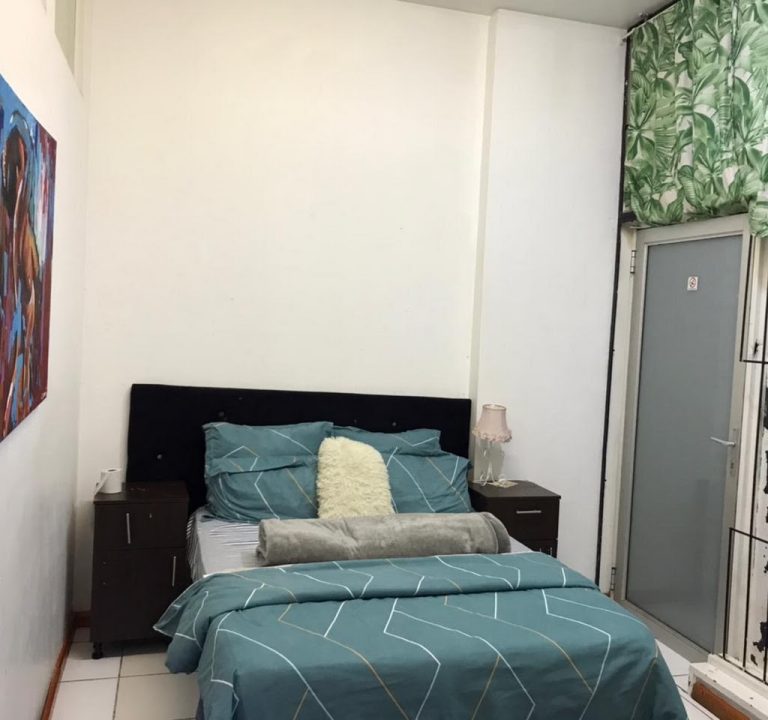
57 On Wynne, a guest house nestled in a convenient area of the city, provides a reference point for a stay that balances comfort with accessibility to central sights and day trips. If you’re considering this or similar properties, take time to verify room configurations, breakfast options, and any host recommendations for walking routes or nearby eateries. Use the property’s official pages to review photos, guest reviews, and practical details about parking or access. A well-planned stay in Cape Town can combine a relaxed home base with easy access to the city’s coastline, markets, and nearby wine routes, creating a memorable South African escape.