Staying in Cape Town: accommodation options, neighbourhoods and must‑see experiences
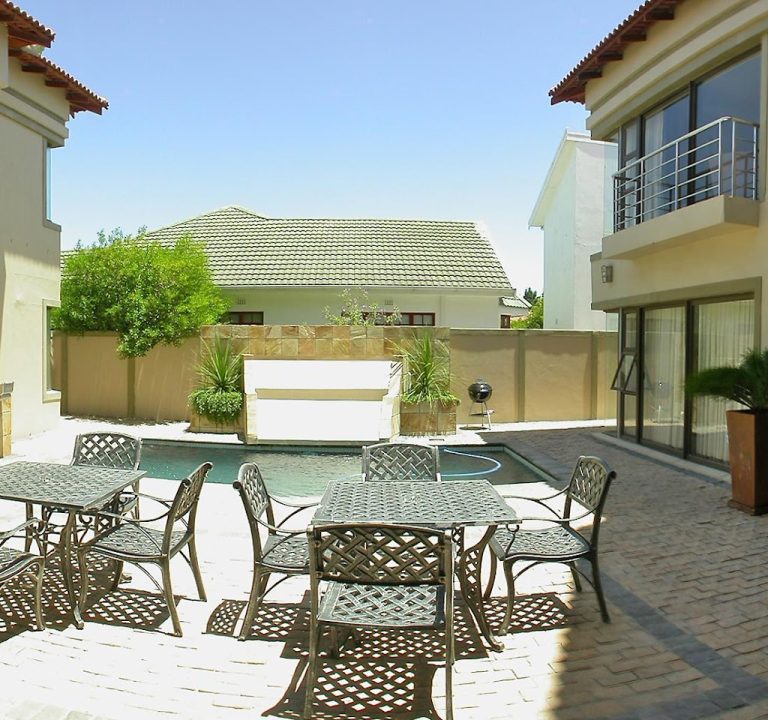
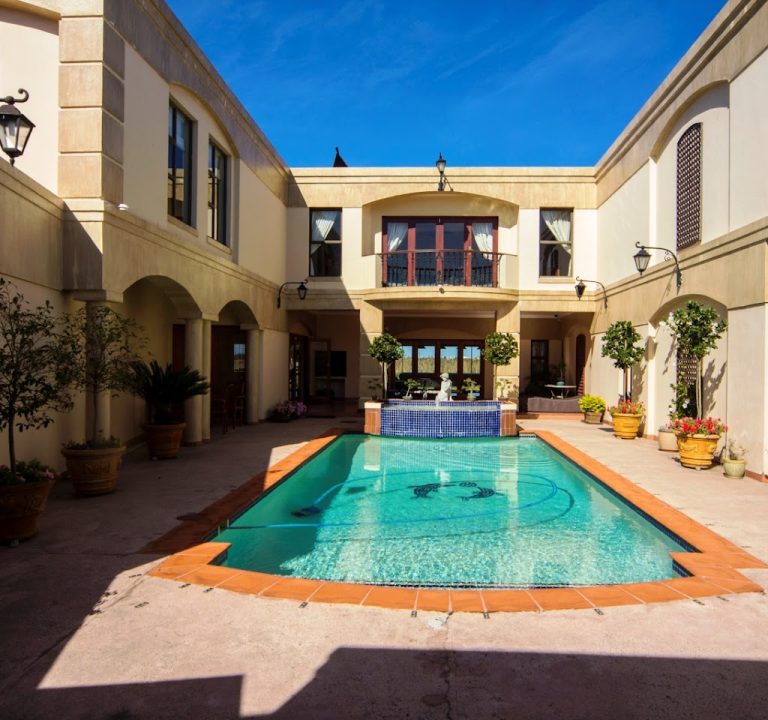
Cape Town offers a rich mix of guest houses, boutique hotels and self-contained retreats that suit a range of travel styles. From intimate properties with personalised service to airy ocean‑view guest houses, the city provides a welcoming base for exploring the Western Cape. When selecting where to stay, consider your preferred neighbourhood, accessibility to transport, and the pace you want for the trip. A notable example in the guest house category is 51 On Vlei, which exemplifies the kind of intimate, well‑appointed stays that characterise much of the city’s accommodation scene.
Neighbourhoods to consider
The V&A Waterfront area is ideal if you want easy access to city sights, harbour activities and a lively dining scene. It’s well connected for day trips, with plenty of guided options and the ability to walk to many attractions. The City Bowl offers a central vibe with historic streets, markets and a wide choice of eateries. It’s convenient for those who prefer shorter intra‑city hops and a slightly quieter base within easy reach of the natural attractions just outside the urban core.
Atlantic Seaboard locations—such as Sea Point, Camps Bay and Clifton—are popular for their coastal promenade access, sea views and a more resort‑style atmosphere. These areas suit visitors who want proximity to beaches, scenic walks and sunset hours, while remaining within easy reach of the city centre by short drives or rideshare journeys.
Southern Suburbs and Constantia are top choices for a more relaxed stay amid green hills, wine estates and leafy streets. This area often appeals to families and those seeking a quieter vibe, with convenient access to Constantia Wine Route and hiking trails. A guest house like 51 On Vlei may sit in a calmer, residential setting while still offering easy routes to Cape Town’s highlights.
If you’re after a more budget‑friendly, authentically local experience, consider guest houses or boutique lodges in areas such as Observatory, Woodstock or Muizenberg. These neighbourhoods frequently offer characterful rooms, communal spaces and a sense of stepping off the well‑trodden path while still being well connected to central sights.
What to look for when booking
Key factors include proximity to the places you plan to visit, ease of transport, and the size and style of the accommodation. Look for clear details about parking if you’ll hire a car, or proximity to MyCiTi bus stops or train links for independent travel. Check the breakfast offering, as many guest houses provide generous morning options that can set you up for full days of exploration. If you’re visiting in peak season, verify whether there is a guest limit, a flexible cancellation policy, and how housekeeping is handled during your stay.
Typical amenities in Cape Town guest houses and boutique hotels include comfortable en‑suite rooms, quality linens, coffee and tea facilities, free Wi‑Fi, and a shaded outdoor area or veranda. Some properties may offer curated experiences, such as guided neighbourhood walks, sunset viewpoints or assistance organising local tours. For items such as secure parking, beach towels, or change of pace from city life, it’s worth confirming what is included before booking.
Transport and getting around
Throughout Cape Town, a combination of private transport, ridesharing and public options works well. The MyCiTi bus network is a straightforward way to access major sights and suburbs, while Uber and other ride‑hailing services provide door‑to‑door convenience for daily excursions or evening meals. If you’re planning several day trips—such as to Cape Point, the Cape Winelands, or the Cape Coastal routes—consider a flexible car rental or a guided tour to maximise time efficiently and reduce driving stress.
Best time to visit
Cape Town enjoys a temperate climate, with warm, sunny summers and cooler winters. The peak tourist season runs from late spring through summer (roughly October to February), offering excellent beach weather and long days for outdoor adventures. Spring and autumn (September to November and March to May) provide mild temperatures, typically lighter crowds and pleasant scenery for hiking and city sightseeing. Winter (June to August) is cooler and wetter, but many visitors still enjoy the city’s cultural offerings, markets and indoor dining experiences. Plan around winds, particularly in the Atlantic Seaboard, where seas and skies can change quickly with the seasons.
Key experiences and attractions (general terms)
Nature and outdoors lover opportunities abound. Iconic cable‑car views from Table Mountain, scenic coastal drives, and coastal hikes suit varied fitness levels. The Cape Peninsula and nearby nature reserves offer chances for wildlife viewing, penguin sightings at coastal colonies, and panoramic viewpoints. For history and culture, look to museums and heritage sites that tell the region’s diverse stories. In addition, the surrounding winelands deliver day‑trip options for cellar doors, food markets and vineyard lunches within a short drive of the city. For evenings, Cape Town’s dining scene ranges from elegant restaurants with sea views to laid‑back bistros and vibrant market style venues, with a broad emphasis on fresh seafood and Cape cuisine.
Practical tips
- Book well ahead during peak season and long weekends to secure preferred neighbourhoods and rooms.
- Verify parking arrangements if you plan to hire a car, and check how accessibility is handled for stairs or elevators at the property.
- Pack layers for variable weather, and bring sun protection for outdoor activities.
- Use trusted transport options or guided tours for longer day trips to make the most of daylight hours.
- Respect local customs and environmental guidelines, particularly when visiting coastal or nature sites.
With careful planning, your stay in Cape Town can blend comfortable accommodation with a wide array of experiences—from scenic coastal walks to hillside viewpoints, diverse dining and the easy rhythm of a city that blends natural beauty with urban energy. Whether you choose a cosy guest house such as 51 On Vlei or other boutique properties, you’ll find that your stay can be as relaxed or as active as you wish, with convenient access to both iconic sights and lesser‑known local treasures. For inspiration and up‑to‑date trip ideas, consider consulting official tourism resources and planning a flexible itinerary that lets you discover Cape Town at your own pace.