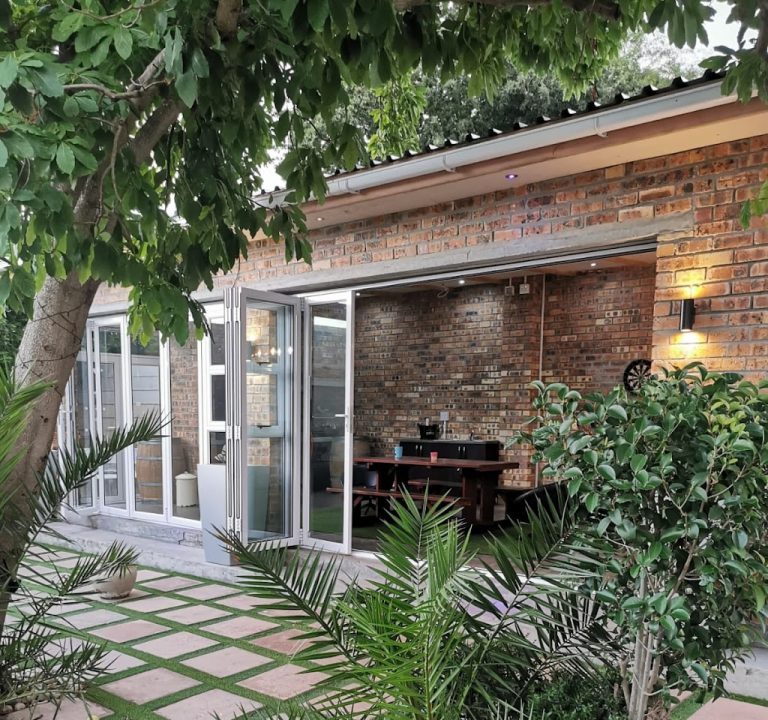
Staying in Cape Town: accommodation, attractions and dining for a memorable visit
Cape Town offers a diverse range of places to stay, from intimate bed & breakfasts and boutique guesthouses to stylish hotels and lodges. When planning a trip to the Western Cape, it helps to think about what you want most from your stay—stunning coastal views, easy access to dining and nightlife, a restful base near wine routes, or a vibrant urban atmosphere. The city’s accommodation scene is well suited to all these preferences, with options clustered along the Atlantic Seaboard, in the city centre, and in leafy suburbs such as Constantia and the southern suburbs. For a different rhythm, consider staying near the Cape Peninsula’s viewpoints or along the Constantia Valley for winery experiences close to home.
Here are some areas to consider when choosing where to stay:
- The City Centre and Company’s Garden area for convenience, walkable access to museums, galleries and the business district, plus easy links to public transport and ride-hailing services.
- Atlantic Seaboard and the beaches, including areas close to Camps Bay and Clifton for dramatic ocean views and easy access to seaside dining.
- V&A Waterfront and the central harbour precinct for a lively atmosphere, with plenty of dining options and access to ferries and tours.
- Constantia and the southern suburbs for a tranquil base near forested slopes, hiking trails and wine estates.
- Green Point and Five Dwyer areas with modern apartments and guesthouses that offer quick access to stadiums, parks and the harbour.
When booking, consider a few practical criteria to ensure a smooth stay. Look for clear information about breakfast provisions (home-cooked, self-service or a continental option), parking availability if you’ll be driving, and access to transport links such as MyCiTi bus stops or nearby rail stations. Reviews can reveal how friendly and responsive your hosts are, how quiet a property is during the night, and whether the room and bath spaces match your needs. If you plan longer stays or several day trips, a flexible cancellation policy and reliable Wi‑Fi are worth prioritising.
A typical stay at a B&B or guesthouse in Cape Town often includes a private or semi-private room with en-suite facilities, and a breakfast service that may feature fresh fruit, breads, pastries, and hot options. Many properties emphasise a warm, local touch: hosts can share tips on day trips, safe neighbourhoods, and hidden viewpoints. Expect a comfortable bed, a private or shared living space, and amenities such as tea and coffee facilities, a hairdryer, and daily housekeeping. For guests who are after a more self-contained experience, there are numerous boutique hotels and self-catering apartments that offer kitchen facilities and private entrances.
Transport around Cape Town is straightforward, though distances can be deceptive given the city’s mountain-and-sea geography. If you plan to explore beyond the immediate neighbourhood, renting a car offers flexibility for coastal drives and wine routes. Alternatively, reliable ride-hailing services, short taxi rides, and well-connected bus routes can carry you to major sights and beaches. It’s wise to discuss parking arrangements with your host if you’ll be driving, and to check how late night transport options operate in your chosen area.
Best time to visit Cape Town varies by what you’re seeking. The summer months (roughly November to February) bring long days, sea breezes and outdoor dining as well as peak festival activity. Winter (June to August) can be cooler and windier, yet this season often means fewer crowds and the chance to enjoy the city’s excellent museum spaces and restaurant scenes without the peak-season rush. Spring and autumn offer comfortable temperatures, with good conditions for walking Table Mountain and exploring the city’s colourful neighbourhoods. If picnicking and beach days are on the wish list, plan with the local weather patterns in mind, as breezy conditions can change quickly along the coast.
When it comes to enjoying Cape Town’s attractions, you’ll find a broad mix of experiences suitable for most travellers. Iconic viewpoints and nature trails around Table Mountain, the Cape Peninsula drive with its dramatic coastline, and the Kirstenbosch Botanical Gardens are among the city’s enduring draws. For culture and history, you can explore neighbourhoods that reveal Cape Colour and storytelling through architecture, markets and galleries. For dining, Cape Town’s culinary scene ranges from casual harbourside eateries to upscale bistros and family-run cafés; many establishments celebrate local produce, seafood and regional wines, with menus that change with the seasons. If you’d like a relaxed evening without venturing far, there are plenty of welcoming venues offering craft cocktails, light bites and live music in central districts and along the harbourfront.
A few practical tips to help you plan your stay: book early for high-demand periods or events, request a map or guide from your host, and carry a light layer for coastal winds and cooler evenings. Pack sunscreen and a hat for day trips, comfortable walking shoes for city exploring and hillside trails, and a refillable water bottle to stay hydrated during outdoor excursions. Have a flexible plan for day trips—the surrounds offer wine routes, nature reserves and scenic drives that can fill a relaxed itinerary or be woven into longer coastal explorations. If you’re seeking more detailed guidance, many reputable travel websites and regional tourism boards provide practical itineraries, suggested routes and seasonal highlights to help tailor your Cape Town stay to your interests.
For further planning and inspiration, you can visit official tourism pages and reputable travel guides online. These resources offer updated information on transport options, safety considerations, seasonal events, and new accommodation offerings, helping you design a stay that blends comfort, scenery and discovery.