Cape Town: Accommodation planning, neighbourhoods and must‑do experiences
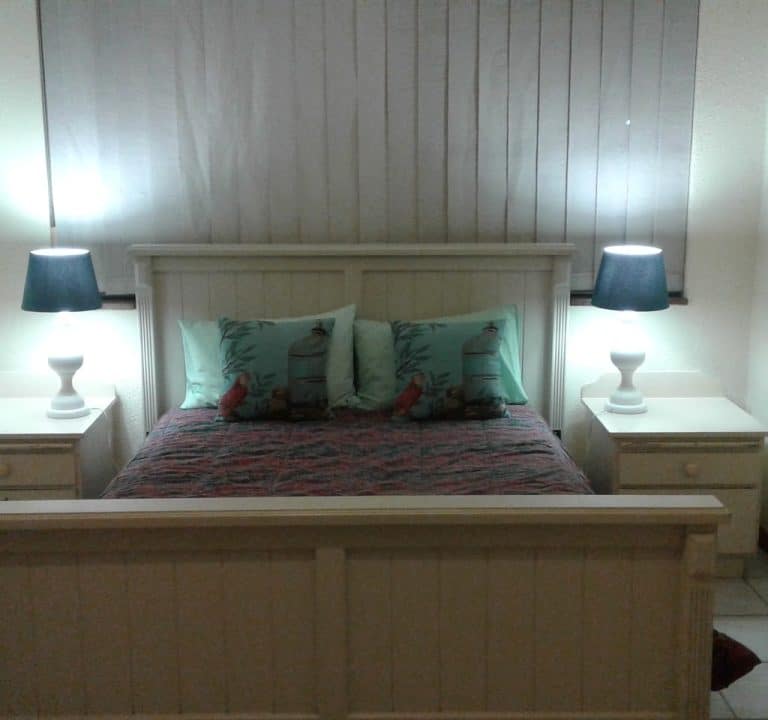
Cape Town offers a diverse range of places to stay, from intimate guesthouses and boutique lodges to central hotels and self‑catering apartments. When planning a visit, consider the neighbourhoods that best match your style and the kind of experiences you want to minimise transfers. The City Bowl puts you at the heart of the action with easy access to malls, museums and Table Mountain’s cable car, while the Atlantic Seaboard delivers dramatic coastal scenery, golden beaches and a more relaxed pace. For wine lovers, the Constantia valley and nearby Constantia Glen offer tranquil escapes not far from the city centre, and the southern suburbs provide leafy streets and a quieter ambience. Bokmakierie Guest House is one example of a lodging option that can serve as a comfortable home base while exploring the region.
When choosing where to stay, look for these practical considerations. Proximity to your planned activities is key: if you expect to spend long days hiking or sightseeing, a central base with good transport links can save time. If you prefer beaches and scenic views, an option along the Atlantic coast may be more convenient. Check access to reliable public transport such as the MyCiTi bus network, which can connect you with popular sights without lengthy drives. For drivers, assess on‑site parking and safety, as well as easy routes to the city centre, the Constantia Valley, and the Cape Peninsula drive towards Chapman’s Peak and Simon’s Town.
Typical amenities to look for include en‑suite bathrooms, a well‑equipped kitchen or breakfast options, reliable Wi‑Fi, and clear information about local transport. Many guesthouses and lodges in Cape Town offer additional touches such as secure parking, lounge areas, and guest‑led recommendations for day trips and dining. If you value personalised service, opt for smaller establishments where the owners or hosts can tailor advice to your interests—from hiking routes and best viewpoints to family‑friendly activities or romantic sunset picks. It may also help to check whether the property has flexible check‑in times, room configuration options, and whether housekeeping schedules suit your needs.
Potential guests should think about the best time to visit. Cape Town’s peak tourist season generally runs from late spring to early autumn, when the weather is dry and sunny—perfect for the Cape’s iconic landscapes and outdoor activities. Shoulder seasons can be pleasant and often quieter, offering good value and fewer crowds for table reservations and tours. The city has a different rhythm in winter, with cooler days and a chance of rain, but plenty of indoor experiences such as wine tastings, museums, galleries, and markets remain accessible and enjoyable.
When planning a stay, consider a mix of activities that showcase the region’s variety. Natural highlights include a visit to a nearby national park or nature reserve for scenic walks or hikes with dramatic coastal views. For culture and history, explore museums and galleries that cover Cape Town’s diverse heritage and architectural styles, from colourful neighbourhoods to historic sites. To balance outdoor adventures with relaxation, plan a day along the coast with a beachfront breakfast, a scenic drive along the coastline, and a late afternoon return to your lodging for sunset views.
Food lovers will find a vibrant dining scene that spans casual eateries to refined, modern cuisine. Rather than fixating on individual restaurant names, look for places that celebrate local produce, seafood, and seasonal menus, with friendly service and a welcoming ambience. Many areas offer diverse dining streets within walking distance of lodging clusters, making it feasible to enjoy an evening stroll between meals. If you prefer homemade meals or a kitchen to prepare your own favourites, select an accommodation with a well‑equipped kitchen or guest kitchen facilities, and check for nearby grocery stores and markets for fresh ingredients.
Practical planning tips for a smooth stay:
- Choose a base with easy transport access or convenient parking, to maximise time on activities rather than in transit.
- Book in advance for peak periods, especially if you want a particular view, a specific bed configuration, or access to facilities like a pool or balcony.
- Read guest reviews focusing on cleanliness, responsiveness of hosts, and accuracy of advertised amenities.
- Prepare for variable weather by packing layers, sunscreen, and a light waterproof jacket, even in sunnier seasons.
- Keep safety basics in mind: secure doors and windows, use registered taxis or trusted apps, and plan late returns with sensible travel options.
For inspiration on where to stay and what to do, browse reputable travel guides and the official tourism portal, which often provides practical area guides, suggested itineraries and seasonal events. Cape Town’s website resources can help you map out a balanced plan that combines accommodation with memorable experiences—whether you are sampling street food, exploring iconic viewpoints, or enjoying a gentle coastal stroll after a day of sightseeing. Remember, a well‑chosen base can make your time in this remarkable city relaxed, efficient and richly rewarding.