Phuthaditjhaba, Free State: where to stay, eat, and explore
Phuthaditjhaba offers a warm welcome and a mix of intimate inns, guesthouses, and small lodges that cater well to travellers seeking authentic South African hospitality. When planning a stay here, consider both the convenience of lodging and the rhythm of the surrounding landscape. The town sits near the QwaQwa region, providing access to wildlife, hiking paths, and cultural experiences without the bustle of larger cities. This makes it ideal for those who value a slower pace, comfortable rooms, and friendly, straightforward service.
Accommodation options vary from traditional guesthouses to family-run inns, many within easy reach of the town centre. To choose the best base for your visit, think about what you want to do each day. If you plan to explore outdoor spots or nature reserves, staying closer to main roads or entry points can cut down on driving time. If you’d prefer a quieter setting with a more intimate atmosphere, look for a lodge or guesthouse on smaller streets or side lanes where gardens and courtyards provide a restful backdrop after day trips.
Typical amenities in Phuthaditjhaba’s inns and guesthouses often include en-suite bedrooms, private or shared lounges, and breakfast services. You may also find options with hot water heaters, reliable heating for cooler evenings, and secure on-site parking. While many properties are modest, the hospitality is usually warm and personal, with hosts happy to offer practical tips about local routes, markets, and eateries. Where possible, verify whether a property has features such as a cosy fireplace for chilly nights, Wi‑Fi access, or on-site dining to help you plan days around comfort and convenience.
Transport in and around Phuthaditjhaba is practical but not always fast. If you’re relying on public buses or taxis, factor in extra time for connections, particularly when heading to more remote areas or scenic viewpoints. If you’re driving, a rental car provides the most flexibility for day trips to natural areas and viewpoints. Keep in mind that some roads can be narrow or steep, and weather conditions may affect access, so it’s wise to check local conditions ahead of time and allow for slower speeds on unfamiliar routes.
Best time to visit Phuthaditjhaba tends to align with regional climate patterns. Spring and autumn offer pleasant daytime temperatures for outdoor exploration, while summer brings warmth and the potential for rain showers, which can bring shaded comfort after hikes. Winter can be cooler, especially at night, so bring warm layers. If you’re keen on cultural events or markets, plan your stay around local calendars and seasonal activities; hosts can often point you to happenings that showcase community life, crafts, and music without the crowds found in larger centres.
When planning your itinerary, consider a mix of easy walks, nature drives, and cultural experiences. The surrounding areas provide opportunities to observe wildlife, enjoy scenic vistas, and learn about the local heritage. For evenings, you’ll find a handful of modest dining rooms and meal offerings at many inns and guesthouses, where traditional flavours and home-cooked meals are common. If you wish to dine out further afield, you’ll find general options in town centres and nearby villages, with staff at your lodging often ready to recommend reliable, well-reviewed spots that suit your preferences and budget.
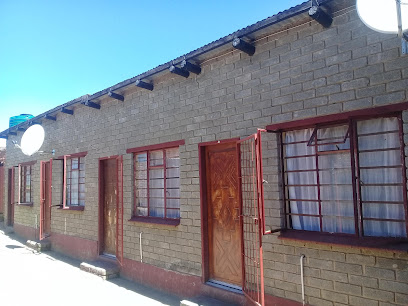
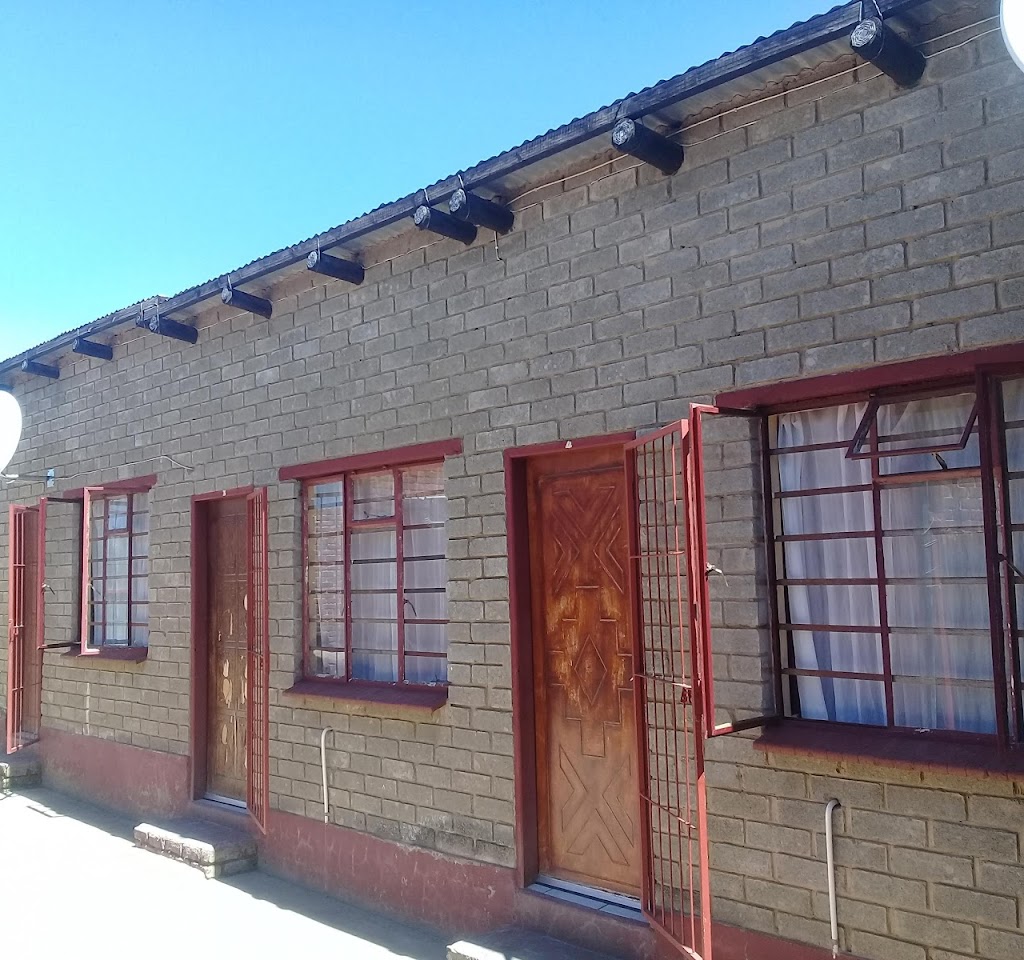
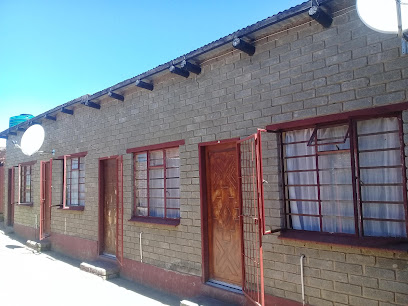
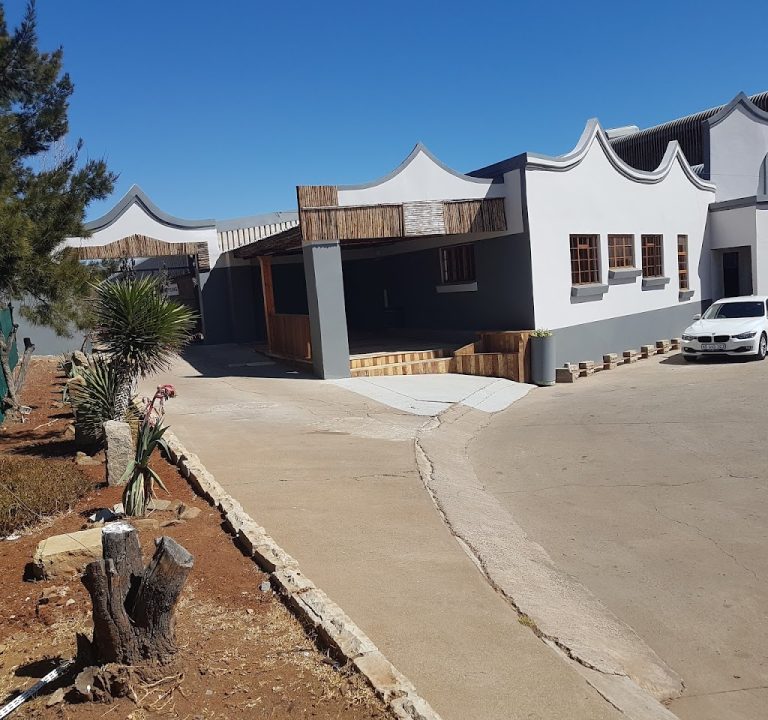
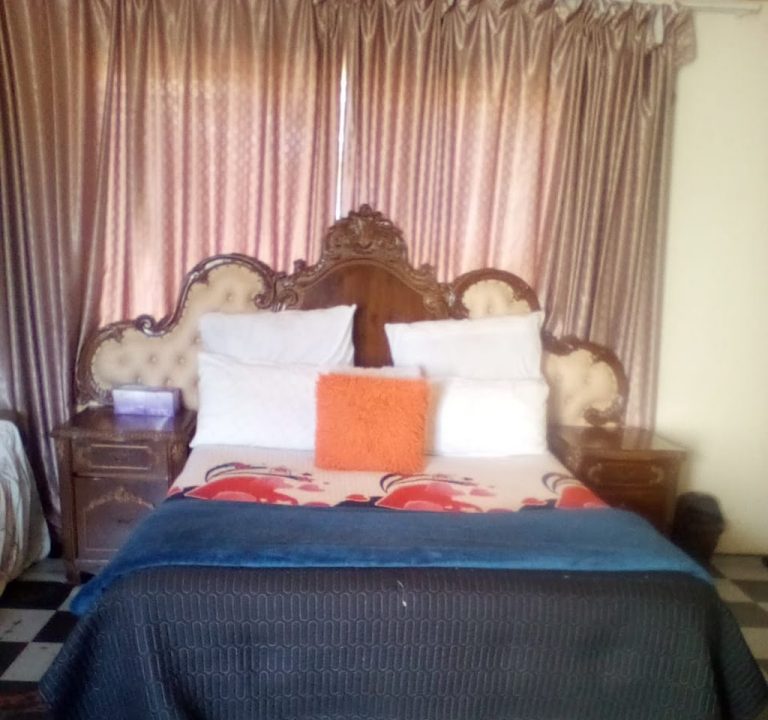
For those seeking a longer stay or a comfortable base for day trips, a well-located inn such as the 2in1 Makgolokwe Lodge can offer a practical hub. A property of this type typically combines straightforward, comfortable rooms with onsite dining or pleasant common areas, making it easy to unwind after a day of exploration. When discussing your plans with hosts, ask about distances to main routes, parking arrangements, and potential guided walks or community experiences that support sustainable tourism in the region.
Attractions across the region are generally geared towards natural beauty, quiet landscapes, and cultural insight. Expect scenic drives with viewpoints, short hikes that suit most fitness levels, and opportunities to learn about local crafts and traditions through small workshops or markets. While exact names and details of venues can change, most visitors enjoy a balanced mix of outdoor time and restful evenings in friendly accommodation with helpful, knowledgeable hosts. To avoid disappointment, check current access conditions, especially if you’re visiting during heavy rain season or after periods of dramatic weather.
Practical tips for a smooth stay:
- Book early in peak seasons to secure a room in well-rated inns or lodges with the ambience you want.
- Ask hosts about reliable transport options, guided walks, and any local safety considerations for night-time travel.
- Bring adaptable clothing for variable weather; layers work well for cooler mornings and evenings.
- Confirm breakfast availability and any dinner arrangements if you prefer to dine on-site or close to your accommodation.
- Respect local customs and support community-friendly tourism by choosing established accommodation providers with positive guest reviews.
In short, Phuthaditjhaba offers a welcoming base from which to experience the Free State’s natural calm and quiet charms. With thoughtful planning around where you stay, how you travel, and what you prioritise—comfort, convenience, or a more immersive experience—you can crafts a balanced itinerary that makes the most of this unhurried part of South Africa. For more details on lodging and current guest experiences, exploring individual inns and guesthouses in the town and its surrounds will reveal the personal touches that make a stay here memorable.