Phalaborwa: accommodation, attractions and planning your stay
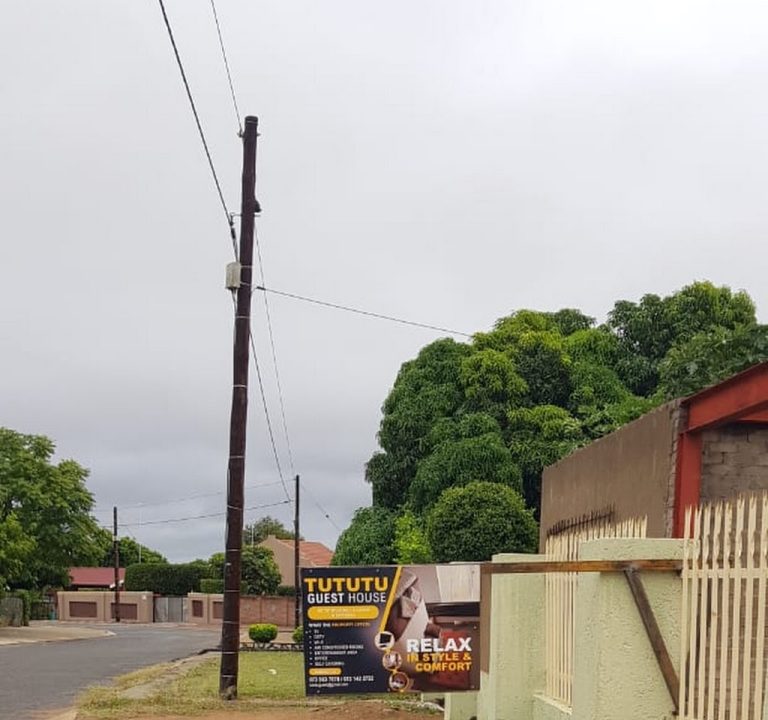
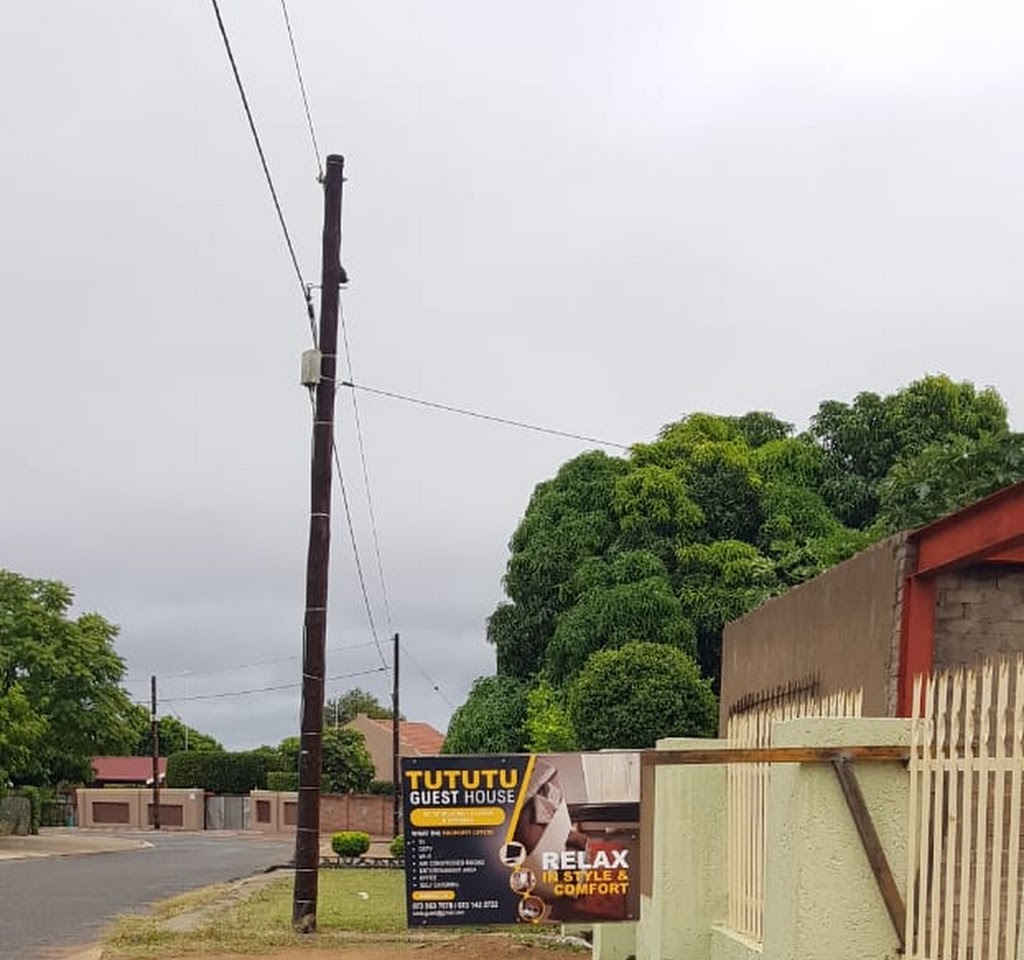
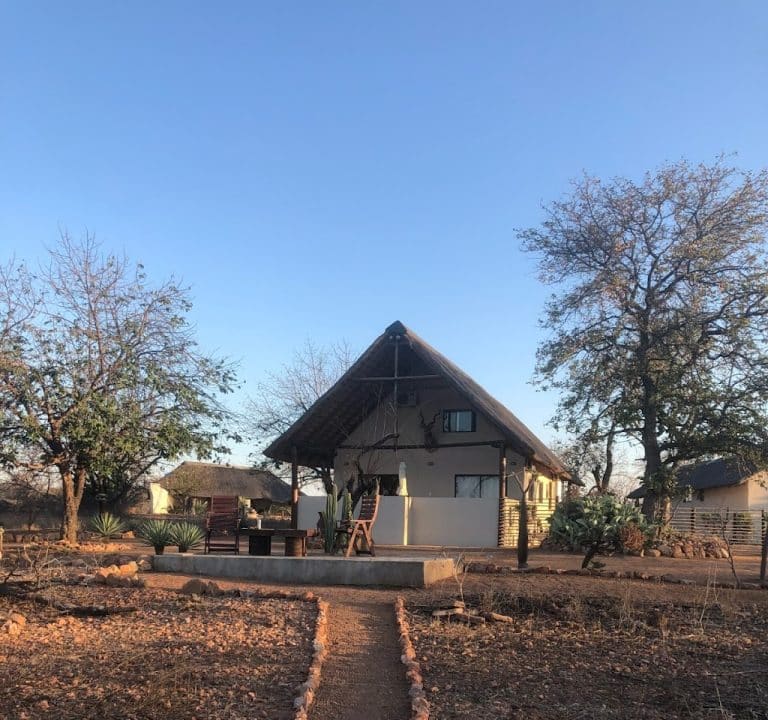
Phalaborwa, perched near the gates of northern Kruger National Park, is a practical base for travellers seeking a mix of nature, culture and easy access to wildlife experiences. When choosing where to stay, consider how much time you plan to spend in nearby reserves, how you prefer to move around, and the kind of atmosphere you want after a day in the bush. The town offers a range of guesthouses, lodges and small hotels, with 162 on Tututu Guest House standing as a notable example within the guesthouse sector. This area-based approach can help you balance convenience with a quieter retreat after exciting days out.
Areas to consider for your stay include the central town area, which tends to offer easy access to supermarkets, eateries and car rental outlets, making logistics straightforward. If you prioritise proximity to Kruger’s southern gates, look for properties closer to the banks of thePhalaborwa River or along routes linking to the Phalaborwa Gate and the associated reserves. For a more tranquil retreat, some lodges and guesthouses lie just outside the town’s main thoroughfares, offering broader views, larger plots and a sense of space without sacrificing essential services.
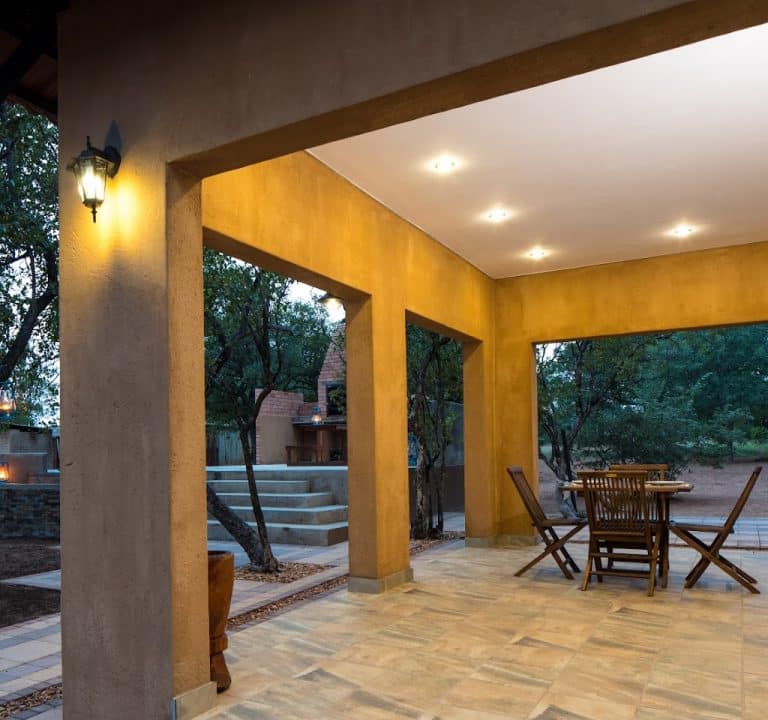
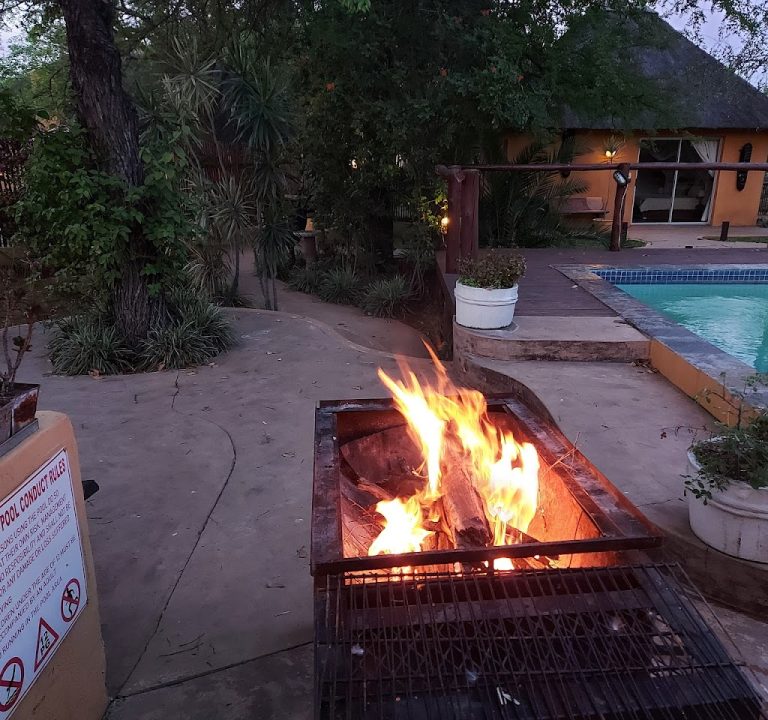
Booking tips are especially important in Phalaborwa, where the best spots can fill up during peak wildlife seasons. Start by confirming three practical details: room configuration (single, double or family units), and whether self-catering, breakfast-inclusive or full-board options are available. Check gate timings for park visits and whether the property provides guided excursions or shuttle transfers to major wildlife areas. Read host or property reviews with a focus on cleanliness, quiet hours and the reliability of housekeeping services. If you’re travelling with children or a group, note shared facilities such as pools, BBQ areas and outdoor spaces, as these can significantly affect your daily rhythm.
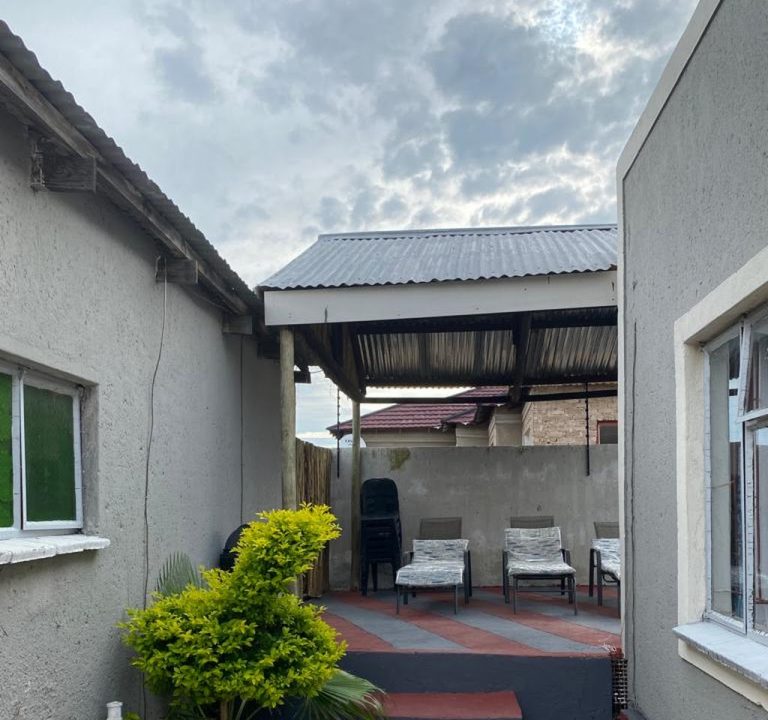
Typical amenities across Phalaborwa’s guesthouses and lodges include air-conditioned rooms, en-suite bathrooms, secure parking, and on-site dining options. Some properties offer full kitchens or kitchenette facilities, which can be handy for longer stays. Look for properties that provide reliable Wi‑Fi, comfortable communal spaces, and easy access to shaded outdoor areas—particularly welcome in hotter months. For wildlife-focused trips, ask about early breakfast options, packed lunches, and evening sundowners that suit safari schedules. In terms of comfort, a private veranda, garden views or a plunge pool can elevate a stay, especially after busy days in the region's heat and dust.
Transport arrangements play a key role in planning your visit. Many travellers arrive by air into nearby hubs or fly into Johannesburg and drive to Phalaborwa. A rental car is often the most convenient way to explore, given the spread of attractions and the variable public transport. If you prefer not to self-drive, seek guesthouses or lodges that offer airport transfers or day-tour packages with reputable operators. When budgeting, factor in park entry fees, guide services, and any light meals or sundries you may need on site—these add-ons can influence total costs more than you might expect.
The best time to visit Phalaborwa generally aligns with the winter and dry seasons (roughly May to September), when wildlife viewing tends to be easier and daytime temperatures are more pleasant. For birdwatchers and those seeking lush greenery, the southern African spring and early summer months can be excellent, though afternoons may be hotter. Rainy periods bring a different charm, with voiceful bird activity and fresh landscapes, but transport can be trickier after showers. Always check local weather forecasts and park access advisaries in advance, and plan flexible days that accommodate short-notice activity changes.
Practical tips to help you enjoy a smooth stay:
- Confirm bed configurations and whether cots or extra beds are available if travelling with children.
- Ask about on-site dining options, late check-in arrangements, and security features such as lighting and safe parking.
- Check if the property offers guided safari experiences, walking safaris, or excursions to nearby viewpoints and cultural sites, and whether these require advance booking.
- Consider the proximity of your accommodation to petrol stations, groceries and medical facilities for convenience during longer stays.
- Pack lightweight clothing for daytimes and a warm layer for early mornings and evenings, plus hats, sunscreen and insect repellent.
Beyond where you sleep, Phalaborwa offers a variety of experiences that suit many interests. Wildlife encounters in nearby reserves are the cornerstone of a stay, with opportunities for game drives, guided walks and scenic viewpoints. You’ll also find a selection of casual eateries and family-friendly restaurants in and around the town, where traditional flavours and international-inspired dishes intersect in relaxed settings. For those seeking cultural insight, day trips to nearby communities and markets provide a window into everyday life and crafts without straying far from your base. A well-planned itinerary can combine a couple of wildlife outings with restful evenings at a comfortable guesthouse or lodge.
For inspiration, consult official tourism resources and local visitor information sites as you fine-tune your plans. These sources can help you verify seasonal conditions, park access rules and the latest recommendations for safe, responsible travel. When you’re ready to start booking, browse a mix of guesthouses, small hotels and lodges to compare atmospheres—whether you favour a cosy, intimate stay or a more lodge-style experience with expansive grounds. With careful planning, Phalaborwa becomes not just a destination, but a well-balanced base from which to discover Limpopo’s wildlife, landscapes, dining and culture. For general planning and travel ideas, you may also explore official tourism pages at South Africa’s national tourism sites for up-to-date information and regional highlights.