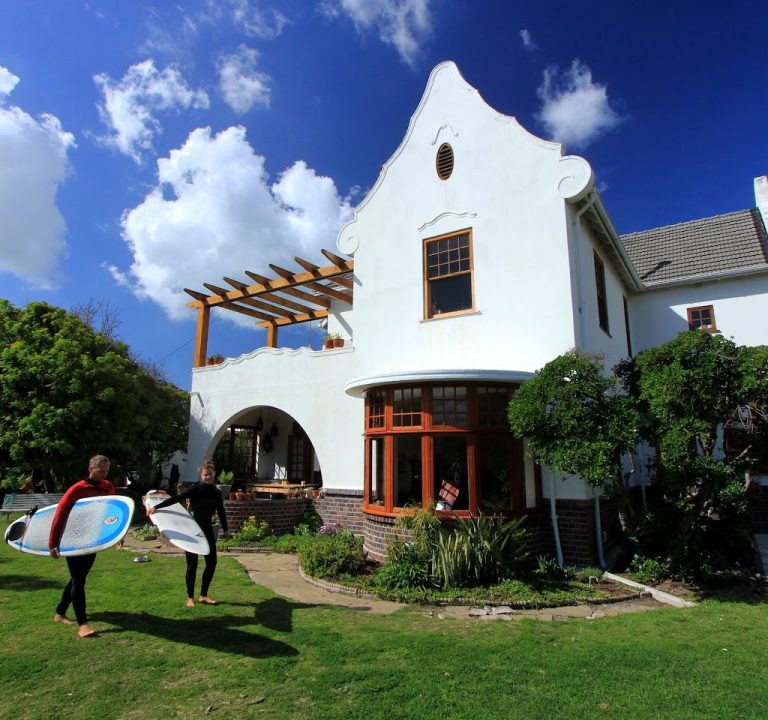
Cape Town: Accommodation planning, areas to consider, and a traveller’s guide to attractions and dining
Capetown's appeal lies as much in its diverse settings as in its extraordinary scenery. From the flat Atlantic shore to the dramatic Table Mountain backdrop, the city offers a range of neighbourhoods that can shape your stay. When planning accommodation, think about what you want to be close to: the colourful buzz of the city core, easy beach access, or leafy, wine-country tranquillity just beyond the peninsula. Each area has its own character, pace, and practical considerations for travellers.
The City Bowl and central precincts are ideal for first-time visitors who want to walk to museums, markets, and restaurants, with easy access to hop-on hop-off buses or ride-hailing services. The V&A Waterfront area is lively, with harbour views and a succession of dining options, while Camps Bay and Clifton offer white sands and sunset scenery within a short drive of the urban hub. For those seeking a tranquil setting away from the crowds, Constantia Valley and nearby Constantia Glen provide greenery, wine estates, and hill country on the doorstep of the city. For a more authentic neighbourhood vibe, explore Bo-Kaap’s colourful streets, Oranjezicht Market, and the southern suburbs’ close-knit communities. Public transport is improving but still limited in places; a car can be convenient, while many areas are well-served by ride-hailing apps and guided tour options.
When choosing accommodation, consider typical amenities and what will help you enjoy the stay. Look for reliable Wi‑Fi for work or streaming, and comfortable bedding for restful nights after busy days. A practical kitchenette or self-catering facilities can save time and money, especially for multiday trips or families. If you plan to wake early for scenic viewpoints or hikes, a guesthouse or boutique hotel with a good breakfast option can set you up for the day. Some properties offer on-site parking, which can be a major convenience in busy parts of the city. If you’ll be visiting over peak travel periods, check cancellation policies and flexible rates, as weather and events can influence crowds and availability.
Typical considerations for booking include room type (standard, superior, family suites), access to outdoor spaces (balconies, terraces, or gardens), and whether the property has a restaurant or bar on-site. Some travellers value character, such as period architecture or boutique interiors, while others prioritise modern comfort and efficient service. Accessibility is another important factor; if stairs or limited mobility present a challenge, look for lift access or ground-floor rooms. For families or groups, properties offering interconnected rooms or larger suites, plus child-friendly facilities, can simplify logistics. If you plan day trips, check whether the hotel can assist with vehicle rental, guided tours, or airport transfers, even if these services come at an extra cost.
Getting around Cape Town is part of the experience. The city’s geography means that driving can be scenic but traffic can be heavy during peak hours. If you prefer not to drive, many attractions are reachable by organised tours, reliable taxis, or ride-hailing services. Parking availability and safety are worth confirming with your host or hotel, especially if you are staying in bustling urban areas. For those who want to explore beyond the city, consider a day trip to the neighbouring Cape Winelands, or a scenic drive along the Atlantic Seaboard for viewpoints and beaches. The climate is varied: summers (December to February) are warm and dry, while winter (June to August) brings cooler, wetter days. The shoulder seasons—spring and autumn—often offer pleasant weather and thinner crowds, making them excellent times to plan a visit.
Attractions in and around Cape Town range from natural wonders to cultural experiences. Iconic outdoor highlights include expansive views from the mountain and coastal paths, accessible via trails or cable cars, and pristine beaches along the peninsula. Within the city, you’ll find historic sites, markets, and galleries that showcase South Africa’s rich heritage and creative spirit. For those who enjoy nature, time spent exploring coastal reserves, botanical gardens, or the scenic drives along the coastline can be incredibly rewarding. Dining in Cape Town is equally versatile: you can expect venues offering fresh seafood, farm-to-table dishes, and diverse international flavours, often with stunning harbour or mountain backdrops. Restaurants range from casual eateries to refined establishments, and many offer seasonal menus highlighting local produce and wines from nearby regions.
Practical tips to help you plan smoothly:
- Book in advance for peak seasons and major events, but remain flexible with your dates when possible to secure better rates.
- Consider a mix of accommodation types (central city base with a couple of nights in a quieter suburb or wine region) to balance convenience and relaxation.
- Check transport options and proximity to your desired activities; a short drive can sometimes save time and stress.
- Pack versatile clothing for layered weather, sunscreen, and comfortable walking shoes for city treks or harbour strolls.
- Look for properties with security features and well-lit streets, particularly for evening strolls and late dinners.
Whether you choose to base yourself near the buzz of the Waterfront, the historic heart of the City Bowl, or the serene lanes of Constantia, Cape Town offers a wealth of accommodation that suits a wide range of budgets and styles. For inspiration and practical planning, visit official tourism resources and current travel guides to tailor your stay to your interests. More information can be found at official Cape Town tourism sites and reputable travel guides online.