Accommodation and Experiences in St Lucia, KwaZulu-Natal: Planning a Memorable Stay
St Lucia in KwaZulu-Natal is a compact, inviting base from which to explore one of South Africa’s most important wildlife and coastal landscapes. With a range of guest houses, B&Bs, lodges and eco-friendly retreats, visitors can choose from homely overnight options close to the river estuary, pristine beaches and the edge of iSimangaliso Wetland Park. A well-planned stay helps you balance comfortable accommodation with easy access to sights, eateries and tailored activities.
Where to stay is often dictated by how you want to spend your days. The village centre is walkable and convenient for those who prefer evenings out, light shopping, and casual meals. For wildlife and nature enthusiasts, staying near the estuary or within a short drive of the park’s entrance provides quick doors-open access to game drives, boat trips and guided walks. Some guest houses offer knowledgeable hosts or on-site curio shops, which can be helpful when planning day trips or arranging transfers.
Typical amenities across St Lucia’s accommodation options include en-suite bedrooms, air conditioning or ceiling fans, private terraces or verandas, wi-fi in shared areas, and secure parking. Expect attention to detail, such as clean detergents, fresh linen, and a warm welcome from hosts who can suggest day-by-day itineraries. Accommodation may also feature communal lounges, a pool or shaded outdoor spaces, and laundry facilities for longer stays. When booking, look for properties that provide early breakfast options, helpful local information, and reliable housekeeping to ensure a relaxing stay.
Transport is a practical consideration. The most common approach is to fly into a regional hub such as King Shaka International Airport or Richards Bay, followed by a road transfer or car hire to St Lucia. Within town, many places are within easy walking distance of the estuary, butcher and fish markets, and small restaurants. If you are planning day trips into iSimangaliso, a vehicle with reasonable clearance can be beneficial, though guided tours and organised transfers are widely available. Check whether your guest house offers a shuttle service or can arrange a trusted transfer partner.
Best time to visit St Lucia tends to align with drier, cooler months or shoulder periods, when wildlife viewing can be more comfortable and visibility is excellent for boat cruises and estuary activities. However, the subtropical climate means warm days are common most of the year, and even in winter you may enjoy pleasant sunny spells. If you are combining water activities with wildlife experiences, consider the transitional seasons when animal sightings are productive and crowds are manageable. Always check current weather and park alerts before planning outdoor days.
When planning an itinerary, most visitors combine a few core experiences: a morning or late-afternoon boat cruise on the estuary to spot birds, hippos and perhaps crocodiles; a guided walk or kayak trip through the wetlands; and a vehicle-based drive to nearby viewpoints and beaches. For a broader taste of the region, you may also opt for a cultural village tour or a visit to local markets and eateries that feature seafood-forward dishes and traditional flavours. Your accommodation host can usually recommend reputable operators and, if you prefer, organise a day-by-day plan that balances activity with downtime back at the guest house.
What to look for when booking your stay:
- Location relative to the activities you want—estuary access, proximity to the park gates, and ease of getting to restaurants and shops.
- Size and type of accommodation—guest houses for a personal touch, or lodges for a more immersive wildlife ambience.
- Meal options—whether breakfast is included, and if dinner can be arranged or recommended nearby.
- Facilities—private bathrooms, air conditioning, secure parking, and outdoor spaces for relaxation.
- Hosts and service style—hosts who can offer practical tips and customised day plans can greatly enhance your stay.
- Cancellation and refund policies—especially during travel seasons with variable weather.
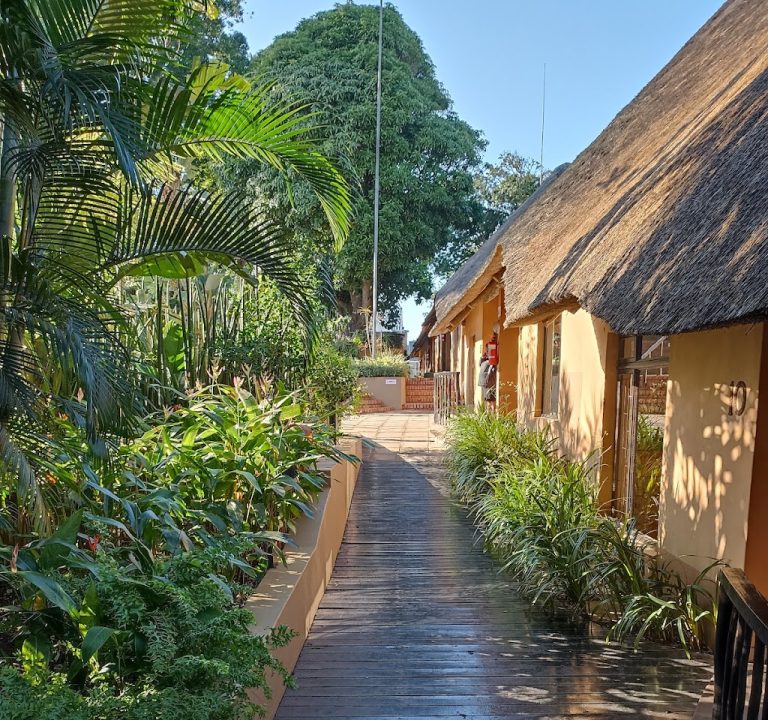
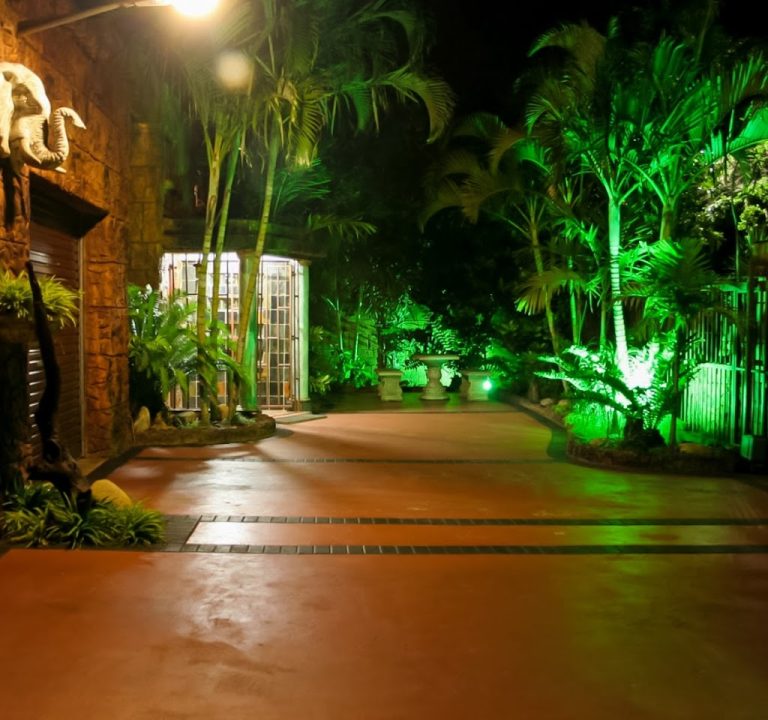
A notable example in St Lucia is Zulani Guest House, a guest house that embodies the warm hospitality of the town. When considering such properties, review guest reviews for insights into real-world experiences—particularly around cleanliness, responsiveness, and the ease of arranging activities with the host.
Practical tips to help you enjoy a smooth trip:
- Book in advance during peak travel periods, and confirm any special requests (early breakfasts, dietary needs) ahead of arrival.
- Pack light layers for variable temperatures and a good sun hat for protection during long days outdoors.
- Bring a waterproof layer for sudden showers, especially if visiting during transitional seasons.
- Engage with your host or a local guide for personalised day plans; many experiences in St Lucia benefit from an informed local perspective.
- Respect local customs and wildlife guidelines, particularly when near the estuary and park areas.
- Check access to medical services and know how to reach the nearest clinic in case of minor illnesses or bites.
For further inspiration and planning, many guest houses publish practical booking guides and suggested itineraries on their websites. Local food lovers can anticipate fresh seafood and traditional dishes offered in family-run eateries within the village, as well as casual cafes where you can unwind after a day of exploration. With careful planning, a stay in St Lucia offers a balanced mix of comfortable accommodation, natural beauty, and authentic KwaZulu-Natal hospitality.