Discover Pretoria: a practical guide to stays, sights and bites
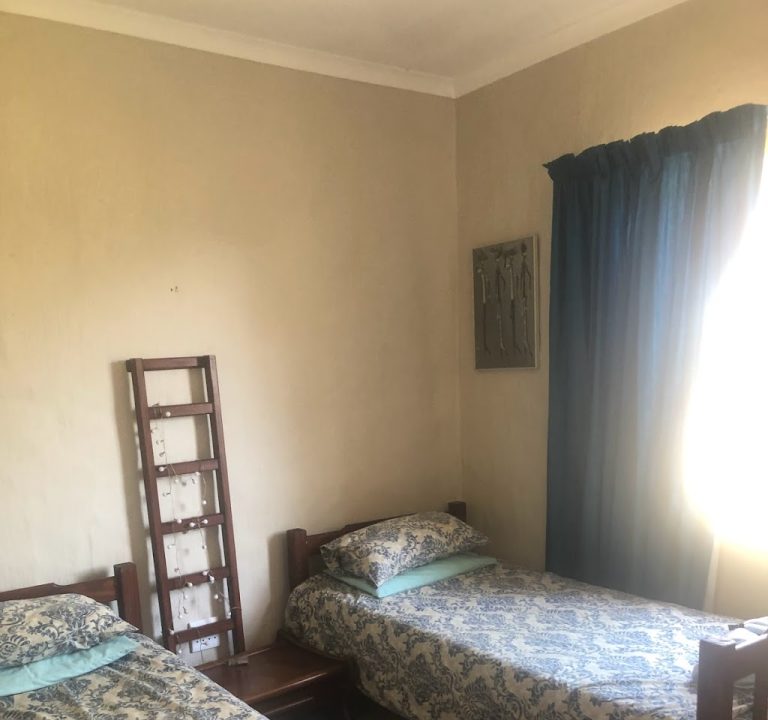
Prestigious yet approachable, Pretoria in Gauteng combines leafy neighbourhoods, easy access to nature and a thriving dining scene. When planning a stay, consider choosing a base that suits your style—historic guest houses tucked into historic streets, modern boutique hotels near central business districts, or self‑catering lodges with a hint of country calm. For a flavour of local life, a guest house such as Z’s Bed and Breakfast can offer a friendly, compact option within reachable distance of major attractions while still feeling distinctly Pretoria.
Areas to consider include central Pretoria for proximity to government buildings and museums, the eastern suburbs for broader green spaces and upscale dining, and the western districts for a quieter residential pace with easy access to nature reserves. If you prioritise museums, galleries and easy transport links, a stay near the central precinct delivers convenience. For a more relaxed ambience with garden settings and scenic views, the suburbs flanking the city centre have excellent guest houses and boutique hotels that feel part of the landscape rather than tucked away in a concrete grid.
Accommodation in Pretoria spans a spectrum from traditional, characterful guest houses to contemporary hotels with polished facilities. Common amenities to look for include secure parking, reliable Wi‑Fi, air conditioning, an on‑site restaurant or breakfast options, and thoughtful touches such as comfortable seating areas, leafy courtyards or a pool. If you’re travelling by car, confirm parking arrangements and access points; if you’ll rely on public transport, check proximity to main routes and rail or bus links. Some properties offer kitchen facilities or self‑catering options, which can be convenient for longer stays or family groups.
Transport is straightforward but planning helps. The city benefits from a rail link to Johannesburg and surrounding areas via the Gautrain network, plus a growing network of rideshare options. Renting a car provides the greatest flexibility for day trips to wildlife reserves, nature parks, and neighbouring towns. If you plan to explore at a slower pace, look for properties with good street access, pedestrian paths, and proximity to safe, well‑lit neighbourhoods for evening strolls. For image‑conscious travellers, a stylish room with a comfortable bed, blackout curtains and a practical workspace can make a big difference after busy sightseeing days.
Best time to visit Pretoria depends on your priorities. Spring (September to November) and autumn (March to May) offer pleasant temperatures and plenty of colour in parks and gardens. Summer can be hot and occasionally humid, with the chance of late‑season showers, while winter is cooler and generally dry—ideal for comfortable outdoor exploration if you’re prepared for chilly mornings and warm rooms. If you’re keen on floral displays and outdoor activities, plan ahead to catch seasonal gardens at their best and to book accommodation with easy access to parks and walking routes.
When planning a stay, think about your itinerary in terms of pacing. Pretoria offers a mix of cultural and natural attractions that work well in combination with a restful base. You might begin with a morning stroll through expansive public gardens or along stately avenues, followed by a museum visit or a gallery hop. Afternoons are well spent in coffee houses and restaurants that celebrate regional produce, then evenings can be reserved for a safe, relaxed wander or a sunset view from a vantage point overlooking the city. For families or groups, a guest house with a garden and a pool can be a welcome home‑base after busy days.
Booking tips to help you choose with confidence:
- Clarify room type and occupancy, including whether breakfast is included and whether facilities such as a kitchen or lounge are shared or private.
- Ask about parking arrangements, gate security, and access to public transport if you won’t have a car.
- Check distance to key attractions you plan to visit and whether the property offers shuttle services or bike rentals.
- Review cancellation policies and seasonal pricing, as some areas may offer peak‑season surcharges or midweek discounts.
- Request photographs or a recent guest review to verify room size, sound insulation and the availability of essential amenities.
While staying, you’ll find a variety of dining options ranging from casual cafés to more formal eateries. In general terms, you’ll discover restaurants that showcase contemporary South African fare, with menus featuring locally sourced produce and a range of flavours influenced by regional traditions. It’s wise to check whether places require reservations, especially on weekends or during peak travel periods. For a relaxed day, you might prefer venues with outdoor seating and a family‑friendly atmosphere; for evenings out, look for spots with a curated wine list or a modern, seasonal menu.
Practical tips to make the most of your visit: carry a light jacket for cooler evenings, especially outside of summer, and stay hydrated during hot spells. If you’re exploring nature reserves or botanical gardens, wear comfortable walking shoes and apply sun protection. Always have a small amount of local currency for markets or casual eateries that may not accept card payments. Finally, aim to book accommodation with flexible policies and clear information about safety, accessibility, and guest support so you can adapt your plans as needed.